
They show you health testing, not just health claims
Every breed carries inherited conditions, and a responsible breeder tests the parents for the ones relevant to theirs — hips, eyes, heart, or genetic panels, depending on the breed — before any mating happens. The sign to look for is paperwork: actual test results and certificates you are invited to read, explained in plain language, including what a result does and does not guarantee. 'Vet checked' is not the same thing; a general check says a dog looked well on one day, while screening addresses the conditions a breed is known to pass on. A breeder who seems vague, offended, or unable to produce documents when asked about testing is telling you something important.
The puppies are raised in a home, and you can see it
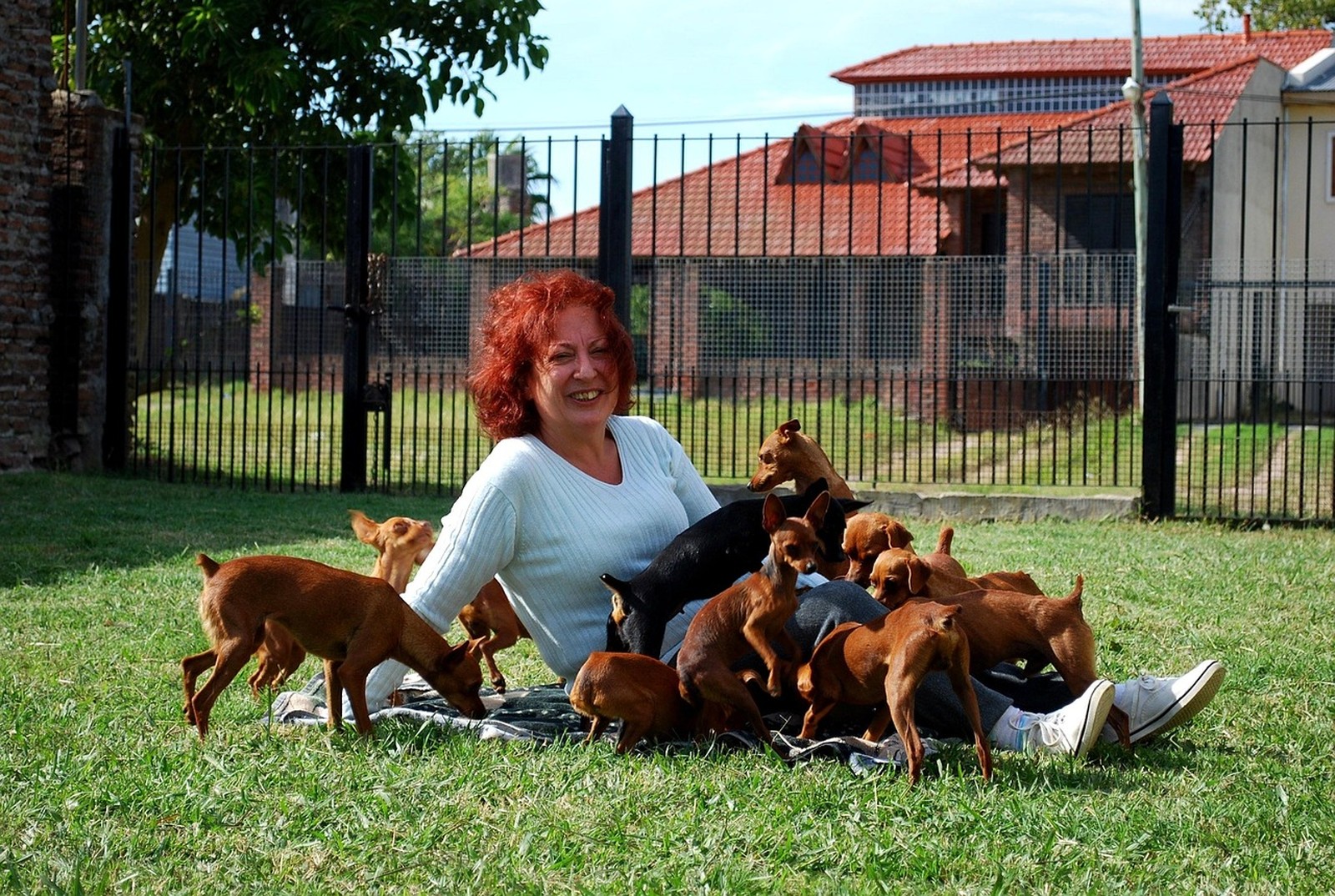
Responsible breeders raise litters where life happens — in the house, around household sounds, visitors, and handling — because those first weeks shape how a puppy handles the world. You should be able to visit, meet the mother at minimum, and see where the puppies sleep and play. The mother herself is a sign: she should look healthy, well-kept, and reasonably relaxed with her breeder and with you nearby. Breeders who will only meet you away from their premises, who always have several litters and multiple breeds available at once, or who cannot show you the mother are operating a business model that puts volume ahead of puppies.
They interview you — and the contract protects the dog
Expect questions about your home, work hours, experience, fencing, and plans, because a responsible breeder is placing animals they have raised, not clearing stock. Expect also a written contract or agreement that covers the puppy's health guarantee, your responsibilities, and the clause that matters most: if you cannot keep the dog at any point in his life, he comes back to the breeder. That lifetime take-back commitment is one of the clearest single signs there is. Equally telling, a good breeder will delay or refuse a sale that is wrong — the high-energy puppy to the frail buyer, the Christmas impulse buy — even with money on the table.
The handover comes with a paper trail and a person
When the puppy leaves, a responsible breeder sends a record with him: vaccination and worming history, microchip details, feeding and routine notes, the parents' health paperwork, and honest information about the individual puppy's temperament and quirks. Then they stay available — answering questions in the first weeks, wanting updates, wanting to know. A breeder who goes silent the moment payment clears, or who shipped a puppy with no records and no history, has shown you the relationship they intended all along.
Keeping that history going after handover day
The file a good breeder builds is the foundation of your dog's whole record, and it should not scatter across paper in a drawer. Ask the breeder to start that file digitally from the beginning: on KinsLe, Transferrable Profiles carry the puppy's whole early record — parent tests, vaccinations, feeding notes — into your hands on collection day without a page going missing.