
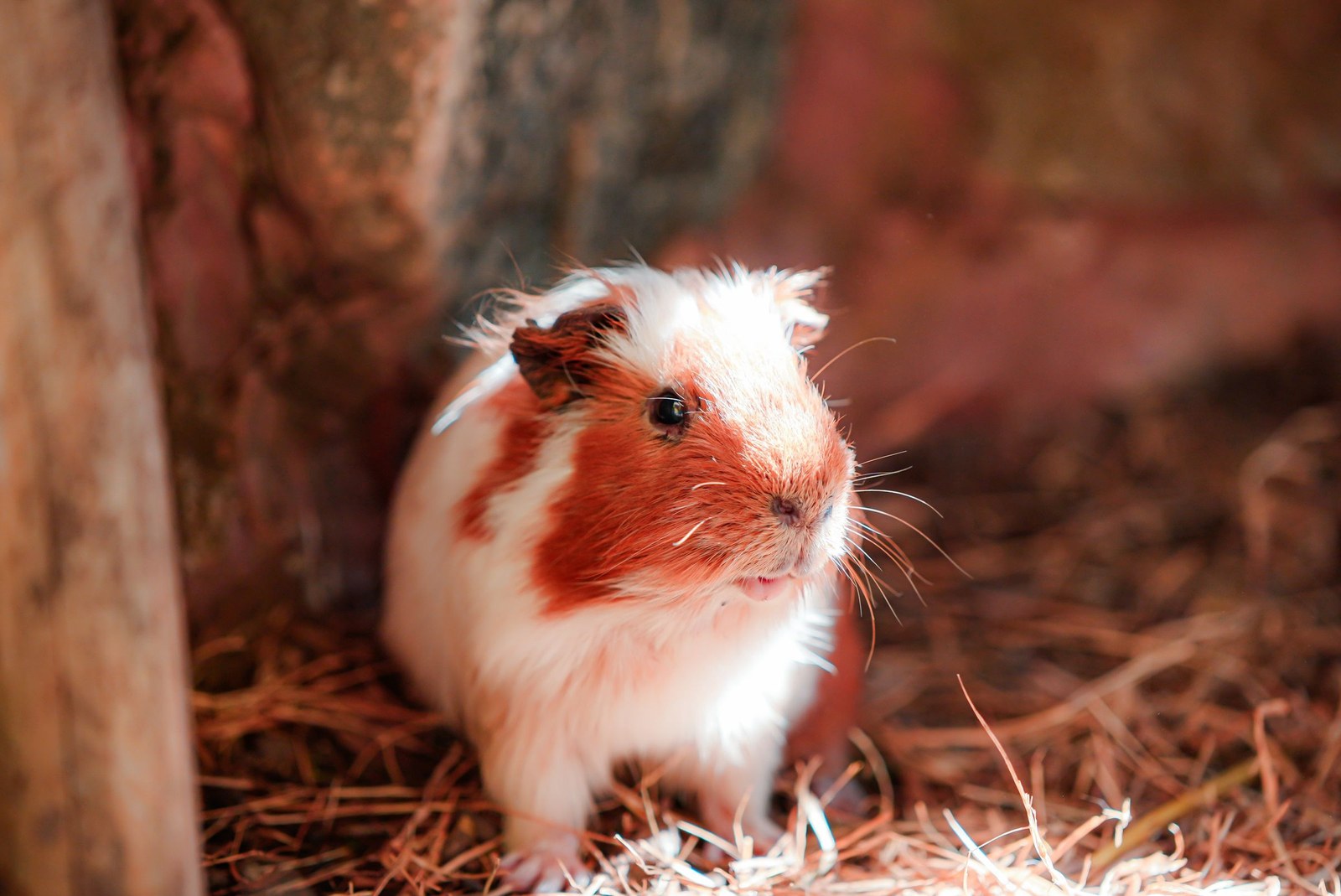
Safe bedding for rabbits and guinea pigs is soft on feet, low in dust, and free of strong fragrances — paper-based bedding and fleece liners over a washable absorbent layer are the most popular choices for good reason. Both protect sensitive airways and delicate feet while keeping odors manageable, and they suit the way most owners house small mammals indoors today.
Why Bedding Choice Matters So Much
Rabbits and guinea pigs live right down in their bedding. They breathe inches above it for most of the day, walk on it constantly, and sometimes nibble it. That makes two risks loom large: respiratory irritation from dust and aromatic oils, and sore feet — guinea pigs are prone to irritated, infected footpads on rough or wet surfaces, and rabbits can develop sore hocks, especially heavier breeds and Rex rabbits with their fine fur.
Good bedding therefore has three jobs: cushion the floor, absorb urine so the surface stays dry, and produce as little dust as possible when poured, walked on, and cleaned out.
Option One: Paper-Based Bedding
Loose paper bedding, made from recycled paper or paper pulp, is absorbent, soft, and easy to spot-clean. Spread it a few inches deep in litter boxes and cage corners where your pet urinates most. It is a strong choice for rabbits' litter boxes paired with a pile of hay, since rabbits prefer to graze while using the box. Look for products labeled low-dust and unscented; scented versions simply mask odor with fragrances small airways do not need.
Paper pellets are another tidy option for litter boxes specifically, though they are less cushiony as a whole-cage surface.
Option Two: Fleece Liners
Many guinea pig owners line a large cage with fleece over an absorbent core — purpose-made cage liners, or fleece layered over towels or absorbent pads. Fleece must be "wicking" to work: wash new fleece several times without fabric softener until water passes through to the absorbent layer below, keeping the top surface dry under your pigs' feet.
Fleece's benefits are real: virtually no dust, a soft and even surface, reusable for years, and easy daily upkeep with a small hand broom or dustpan sweep of droppings and hay. The tradeoff is laundry — most owners keep two or three sets and wash weekly in unscented detergent.
What to Avoid
Skip cedar shavings entirely and be cautious with pine: kiln-dried pine is considered safer than aromatic softwood shavings, but strongly scented wood products are best avoided for animals with sensitive respiratory systems. Avoid cat litter of any kind — clumping and clay litters are dangerous if eaten — and pass on corn-cob bedding, which can be eaten and may mold. Straw is not absorbent enough as a main bedding, and sawdust is far too dusty. Finally, skip anything perfumed, however cute the packaging.
Keeping Bedding Changes From Slipping
Bedding works on a schedule — daily spot checks, regular full changes — and that rhythm frays when several people share the looking-after. A note on the fridge, or a word at breakfast about when the fleece was last swapped or the litter bedding last refreshed, keeps enclosures comfortable and stops the slow slide from "due tomorrow" to "overdue and smelly." Under KinsLe's Family Sharing, access to that profile can be given to relatives you select.