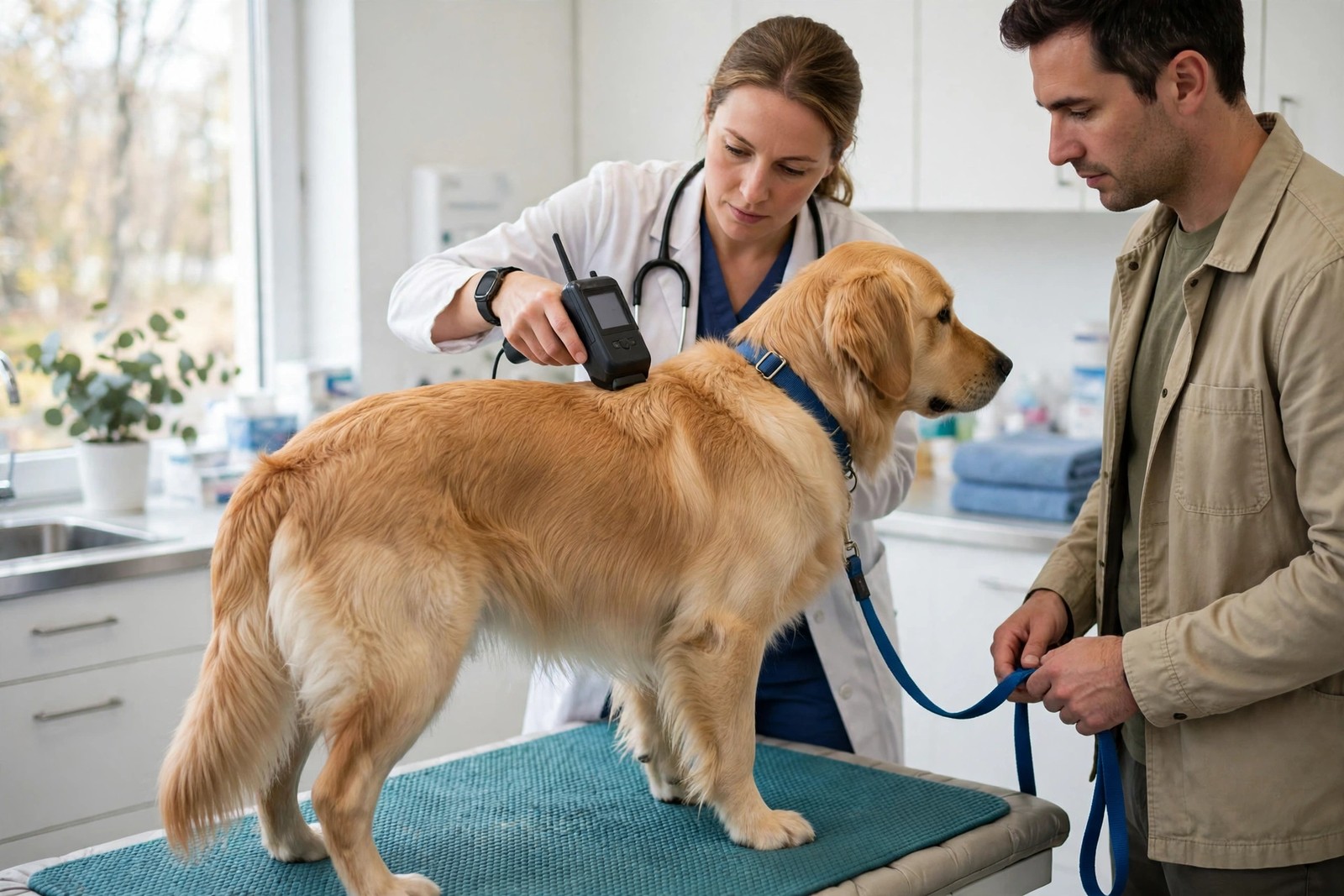
A microchip only reunites you with your dog if the record behind the number is accurate, and records quietly rot. People move house, change mobile numbers, switch vets, and fall out of the habit of updating a database they last touched when their dog was a puppy. An annual check takes ten minutes and closes every one of those gaps before an escape turns them into a failed reunion.
Your contact details, checked character by character
Log in to the registry that holds your dog's chip — your vet can confirm which one if you are unsure — and read your own entry as a stranger would. Is the address your current home, not the flat from two moves ago? Are the phone numbers the ones in your pocket today, with a second number added if you have one, and is the email one you open daily rather than an old account? If you have ever changed your surname or the dog has moved between adult owners in the family, confirm the registered keeper name matches who would actually be called and who can prove ownership.
The backup contact and the vet entry
Check the emergency or alternate contact with the same care. That person is who gets called when your phone is off, lost with the dog, or out of signal, so confirm the number still reaches them, that they still live close enough to help, and that they know they are listed. A backup contact who changed numbers last year is no backup at all. Then check the vet field: if you have switched practices, update the clinic name and number, because shelters and finders often call the listed vet, and the listed vet may hold the fastest route back to you.
Your dog's details and medical notes
Read the pet side of the record too. Name — including the name he actually answers to — breed or cross, colour and markings, sex, and date of birth or age should all still describe the dog in front of you; puppies change colour, gain identifying scars, and grow into descriptions written at eight weeks old. Where the registry allows a medical or behaviour note, keep it short and current: a dog who needs daily medication or who is fearful of strangers gives a finder and a vet vital information for the first night apart from you.
Prove the chip itself still works
A database check alone misses the physical half of the job. Chips can migrate from between the shoulder blades down a shoulder or around the chest, and very rarely they fail. At your dog's annual vet visit, ask the practice to scan him and tell you where the chip reads and that the number on the scanner matches the number on your record exactly, digit for digit. If the chip has moved, note its new location on the record if the registry allows it, so anyone scanning in future searches the right area thoroughly before concluding there is no chip.
Make the annual check impossible to forget
Tie the check to a date you already keep — the vaccination booster appointment works well — and set the record straight the same day anything changes mid-year rather than waiting for the anniversary: a move, a new number, or a new vet should trigger an update within the week. Finishing the routine by checking that the contact details on KinsLe's Verified QR ID Pet Profiles match the registry exactly gives your dog two independent routes home, one scanned at the collar by any finder and one scanned at a clinic.