
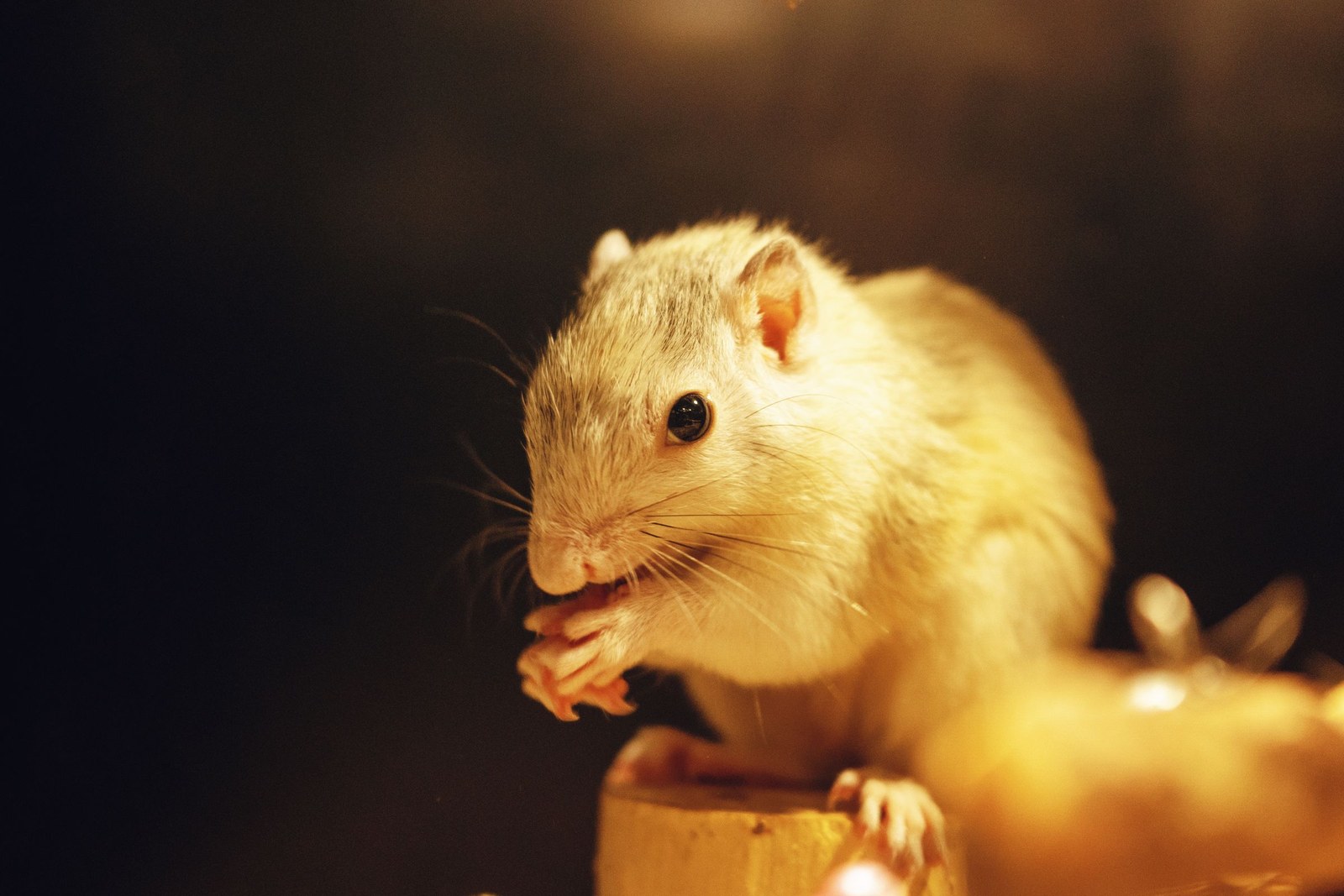
Gerbils eat a gerbil-specific pellet or balanced seed mix every day as their staple food, given in a measured daily portion, with small pieces of vegetables or herbs offered occasionally for variety. Fresh water must always be available, and treats should stay genuinely occasional, because gerbils gain weight easily on fatty extras.
The Daily Staple: Food Made for Gerbils
Gerbils come from dry Mongolian grasslands, where they subsist on seeds, grains, and sparse vegetation, and a good gerbil mix mirrors that diet — moderate protein, plenty of fiber-rich grains and seeds, and restrained fat. A food formulated specifically for gerbils gets that balance right in a way that generic small-pet mixes, or foods aimed at other species, often do not. Some owners prefer a quality pellet because every mouthful is nutritionally complete, while others choose a varied gerbil seed mix for the foraging interest it provides.
As with hamsters, selective feeding is the risk with mixes: a gerbil who eats only sunflower seeds is eating dessert for dinner. Measure the portion, let them finish most of the mix before refilling, and scatter some of it through the bedding so finding food takes time and effort, just as it would in the wild.
Vegetables and Herbs for Variety
A thumbnail-sized piece of vegetable a few times a week adds moisture, micronutrients, and interest. Good options include:
- Carrot, broccoli, and cauliflower in small pieces
- Peas, sweetcorn kernels, and green beans
- Leafy herbs such as parsley, basil, and coriander
- Occasional small pieces of apple or pear, without seeds
Introduce new foods gradually and one at a time. Gerbils have sensitive digestion compared with some small pets, and a sudden pile of rich vegetables can upset their stomachs. Remove anything uneaten after a day, and remember that gerbils hoard — check their stash spots when you clean, because hidden vegetables quietly spoil.
The Weight Problem: Why Treats Stay Rare
Gerbils are notably prone to putting on weight, and fatty treats accelerate it. Sunflower seeds, peanuts, and commercial yogurt drops should be rare rewards rather than daily habits — think one small treat, not a handful. An overweight gerbil is at higher risk of health problems and may struggle to squeeze through the tunnels they love. If you can no longer feel the difference between a gerbil's body and a potato when they sit in your hand, it is time to tighten up portions and mention it at their next vet visit.
Skip sugary, salty, or seasoned human food entirely, and avoid citrus, onion, and raw potato.
Water and Feeding Rhythm
Even desert animals drink. A bottle of fresh water, checked daily to confirm the sipper tube flows, is essential, and gerbils will also take some moisture from their vegetables. Feed at a consistent time of day — many owners choose the evening, when gerbils become active — so the routine anchors their day and a missed meal gets noticed immediately instead of hours later.
Bring Your Gerbil Feeding Questions to Kinny
Portions and vegetables raise fresh questions as a gerbil grows or a new food joins the rotation. Bring those questions to Kinny in KinsLe as they arise — how much mix a pair should get in a day, whether a thumbnail of broccoli counts as the day's vegetable, or how to tell a healthy stash from spoiling leftovers. When a follow-up portion or vegetable question comes up, ask the Kinny assistant in KinsLe, drawing on KinsLe Answers for the reply.