
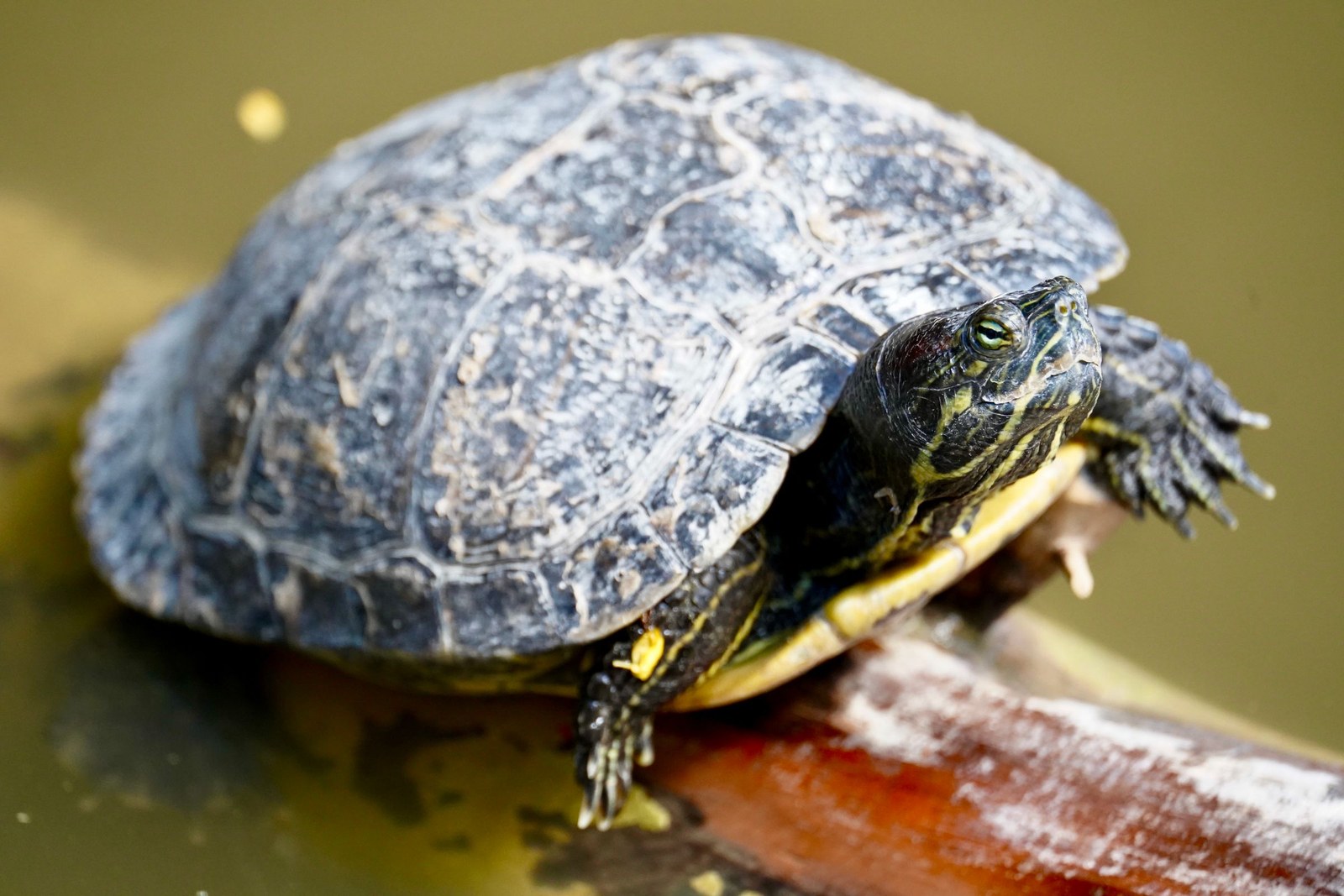
A healthy turtle shell is firm to gentle pressure, smooth or patterned as the species dictates, and free of soft spots, white fuzzy patches, pink discoloration, and foul smells. The top shell (carapace) and bottom shell (plastron) should feel solid, with clean edges and no pitting. In aquatic turtles, some shedding of thin, translucent scute layers is completely normal — it is retained, thick, or peeling patches that deserve a closer look.
Know Your Species' Normal
"Healthy" looks different across species, and comparing your turtle to the wrong template causes needless worry. A softshell turtle's leathery, flexible-edged shell is normal for it and would be alarming in a red-eared slider. Spiny and rough-textured species exist too. Learn your own turtle's baseline: run clean fingers over the shell monthly, note its color and texture, and you will spot change far earlier than someone eyeballing it cold.
The Normal Shedding Question
Aquatic turtles shed the outer layer of their scutes as they grow, and the shed pieces look like thin, translucent flakes — sometimes found floating in the tank. This is healthy. What is not healthy: scutes that lift but will not come away, layers stacking up (retained scutes), white or fuzzy growth underneath, or shedding so constant it looks like the shell is dissolving. Never pull at a lifting scute; if it is ready, it will release on its own, often helped by a proper basking spot where the shell can dry fully.
A Simple Shell Check Routine
- Look under good light for discoloration, spots, algae films that will not brush off, or cracks.
- Press gently across the shell — it should feel uniformly firm, with no give or sponginess.
- Smell the shell. A healthy shell smells like almost nothing; a sour or rotten odor is a warning sign.
- Check the plastron too — flip your turtle carefully and briefly, supporting it fully, or inspect during a water change.
Changes in appetite, basking habits, or swimming — listing to one side, for instance — can accompany shell trouble and are worth noting alongside what you see.
When to See the Vet
Soft areas, pink or red discoloration, white fuzzy patches, pitting, bleeding, or any foul smell should be assessed by a veterinarian who treats reptiles. Shell problems can extend deeper than the surface suggests, and early attention is far simpler than late treatment. Bring notes on when you first noticed the change, plus your lighting and water setup details — they help the vet find the cause, not just the symptom.
Tracking Changes Over Time in KinsLe
Shell changes are slow, which makes them easy to miss and hard to describe from memory. KinsLe's Pet Passport — your turtle's records packet with vaccines, medications, allergies, and documents — is the ideal place to keep dated shell photos alongside the health records, so gradual changes become visible at a glance and you can show your vet a timeline instead of a guess. Pet Passport on KinsLe files those dated shell photographs and monthly texture notes as a checkable history your veterinarian can read alongside vaccine and medication records.