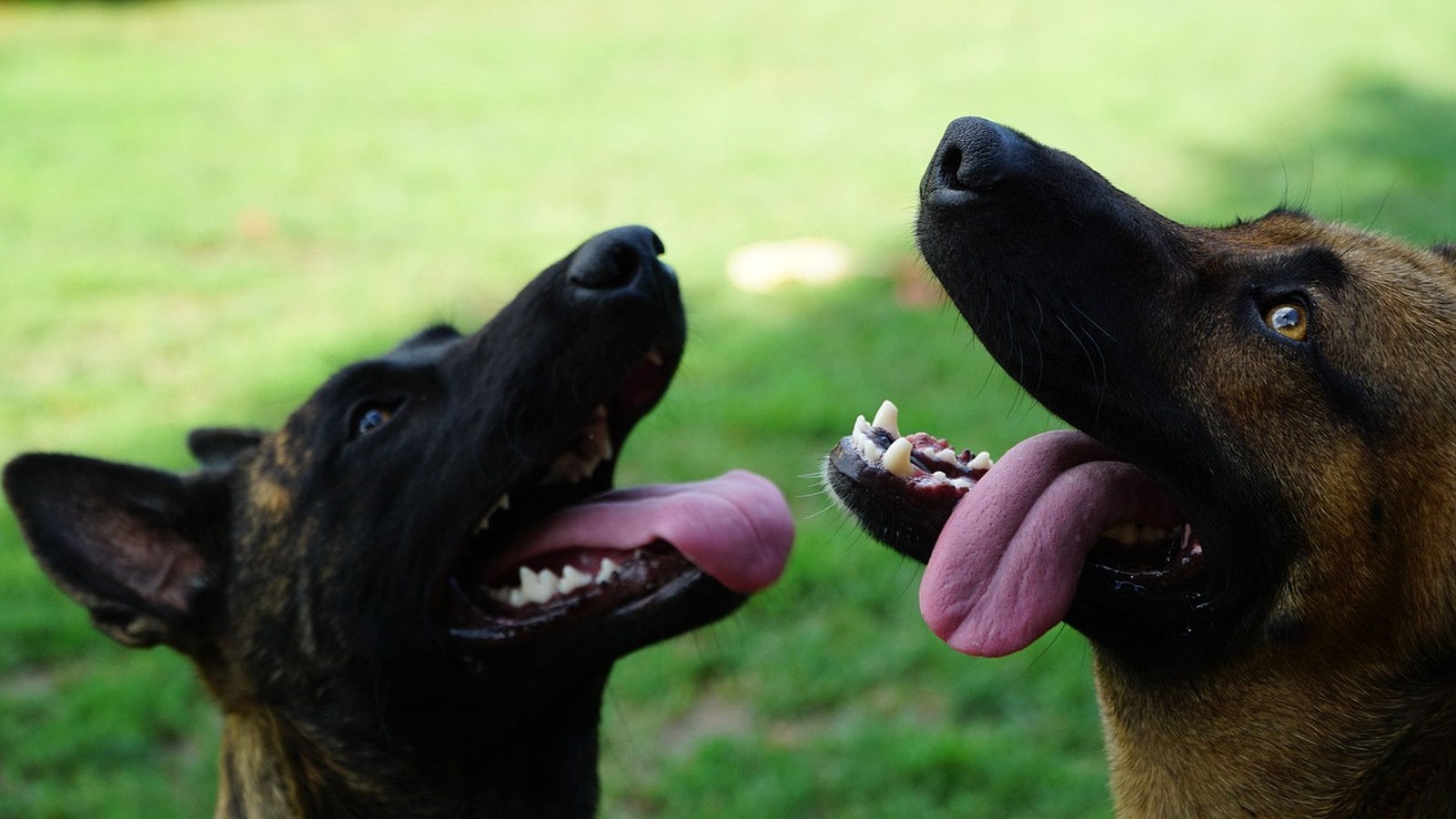
A Malinois Day Starts With a Job, Not a Lie-In
A typical day caring for a Belgian Malinois begins early and with purpose. This is a working breed bred to stay alert, learn fast and keep going, so the first hour usually sets the tone for everything that follows. Most owners head out before breakfast for a brisk walk that is part exercise and part training: loose-lead walking, recall practice, position changes and short bursts of focused attention work woven into the route. A Malinois left to invent its own morning entertainment will do exactly that, usually by redecorating something, so the day works best when the dog is told what the job is from the start.
Morning Training and the First Real Work Session
After the walk and breakfast comes the day's main working block. Owners often split this between physical exercise and thinking work, because a Malinois can be tired in the body and still wide awake in the mind. Fetch with rules, tug used as a training reward, scent searches hidden around the garden, tracking games and obedience sequences all count, as long as the dog has to listen as well as run. Sessions are usually kept short, intense and finished while the dog still wants more, which protects enthusiasm and stops the rehearsal of sloppy habits.
Midday Is Deliberately Boring
The middle of the day is where new Malinois owners most often get it wrong. The breed does not naturally switch off, so rest has to be taught and protected like any other skill. After the morning work, a settled period in a crate or quiet room, a chew, and a short toilet walk are the pattern. Owners who skip this teach the dog that the household runs at full speed all day, and the evening then becomes frantic. A calm midday also gives the dog's body recovery time, because a driven Malinois will keep working on tired legs and minor strains without complaining.
Afternoon Handling, Grooming and Household Manners
The afternoon usually brings a second, lighter session: lead manners around distractions, calm greetings, place training on a mat while the household moves around, and short problem-solving games indoors. The short, dense coat needs little daily attention, but a quick brush, a paw check after work on rough ground, and a look at ears and nails fit naturally into this slot. Handling practice matters with this breed: a Malinois that is examined, groomed and settled calmly every day is far easier at the vet and far safer around visiting helpers than one that is only ever handled in exciting contexts.
Evening Work, Then a Taught Wind-Down
Early evening holds the second exercise block, often the longest walk of the day, with training folded in rather than bolted on. Supper follows, and then the wind-down is deliberate: lights lower, games stop, and the dog is rewarded for lying quietly while the household relaxes. Owners who keep exciting a Malinois until bedtime usually meet a dog that cannot settle at night. Watch for the watch-outs that belong to this breed specifically: obsessive shadow or light chasing, spinning, or frantic pacing are signs the day has too much arousal and too little rest, and persistent lameness after work, loss of appetite or a sudden drop in drive deserves a vet visit rather than more training. KinsLe Care Teams lets everyone involved log the day's training, exercise and rest as completed tasks with timestamps, so a Malinois gets the full programme without any session being doubled or missed.