
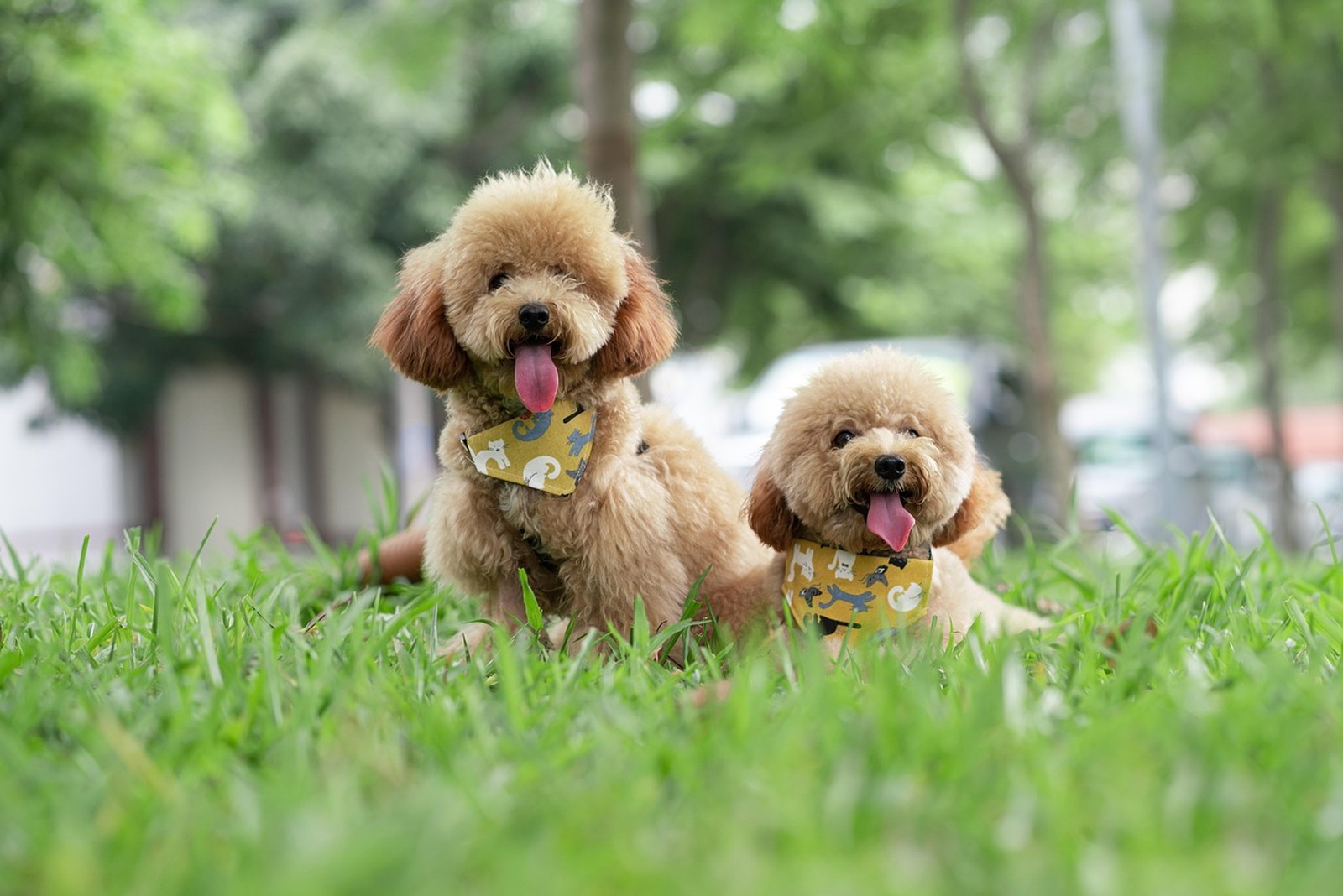
A typical day with a Toy Poodle is a negotiation with a very small, very bright dog in a coat that never stops growing. Toy Poodles carry the full poodle intelligence — historically a retrieving, performing breed — in a package under six pounds or so, and their care day is dominated by two things owners of larger poodles underestimate: the grooming is constant, and the mind needs work or it will find its own, usually involving barking.
Morning: a real walk, not a carry
The day starts with a proper walk on the ground, on a harness, at the dog's own pace. Toy Poodles who are carried everywhere miss the exercise, sniffing, and confidence that walking builds, and can become anxious and reactive as a result; thirty to forty minutes across the day, split into outings, suits most. Breakfast is small and measured — on a frame this tiny, a few extra daily treats are a meaningful percentage of the dog's intake — and the face gets a gentle wipe, since tear staining under the eyes is a daily cosmetic reality for many Toy Poodles.
The brush comes out every single day
This is the breed's defining chore. The dense, curly, continuously growing coat mats at the skin if it is not brushed through regularly, especially behind the ears, in the armpits, and where a harness rubs. Five to ten minutes daily keeps a pet-length clip manageable; neglecting it for a fortnight can end with the dog shaved down at the groomer's because the mats cannot be combed out humanely. A professional clip every four to six weeks is a standing appointment in the diary, not an occasional treat, and the cost and booking of it are simply part of Toy Poodle ownership.
Brain work in small, frequent doses
Poodles were circus performers for a reason: a Toy Poodle learns tricks in a handful of repetitions and then wants a harder problem. Short training games through the day — a new trick a week, find-it games, a food puzzle scaled to a tiny mouth — keep the breed's mind employed. Without them, the intelligence turns to vigilance, and Toy Poodles are quick to become household alarm systems who bark at every passer-by; a taught quiet cue and enough occupation are the daily counterweights.
Teeth, knees, and careful handling
Small breeds crowd a full set of teeth into a small jaw, so dental care is routine: regular brushing, chews sized for tiny mouths, and attention to bad breath or dropped food as early warnings. Owners also handle the dog with an awareness of delicate bones and sometimes wobbly kneecaps — ramps at the sofa, no jumping from arms, children seated on the floor to hold the dog. A skip or hop in the hind gait, even one that comes and goes, is worth mentioning to the vet rather than shrugging off.
Evening and the honest summary
A last short walk, a final brush-through if the day was wet, and the Toy Poodle settles — usually on a lap or a cushion with a view of the room — having been mentally present for every event of the day. Total the breed honestly: modest exercise, high grooming, high mental engagement, and professional clipping as a permanent fixture. A Toy Poodle who stops eating, whose teeth clearly pain him, or who suddenly cannot bear weight on a hind leg needs a veterinarian promptly. Since the grooming appointment anchors this breed's calendar, KinsLe's Pet Services Directory helps you find trusted local groomers who are good with tiny dogs and connect with them, keeping that standing clip easy to arrange and rebook.