
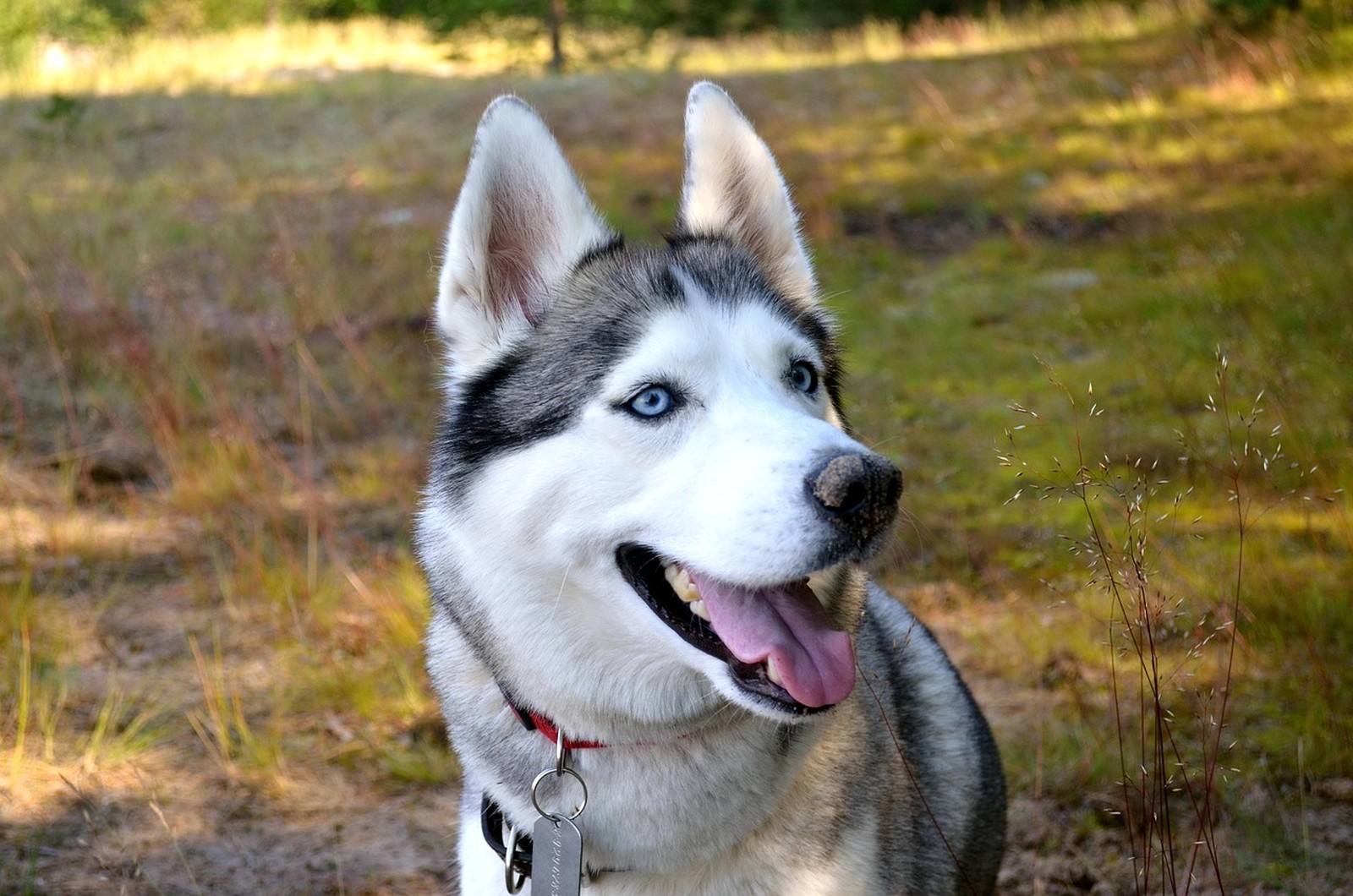
Owning a Siberian Husky for a year means reorganizing your life around a dog bred to run long distances in hard conditions and to think for itself while doing it. The breed is beautiful, friendly, and endlessly entertaining, and it is also one of the most commonly underestimated puppies a first-time owner can bring home. The year goes well when the exercise, containment, and mental work are treated as the main event rather than as extras fitted around a busy week.
Energy That Has to Go Somewhere
A Husky puppy's exercise needs climb steeply through the first year, and an under-exercised adolescent does not become calm; he becomes destructive in creative ways. Chewed door frames, excavated gardens, and shredded soft furnishings are the classic reports from homes that planned on a gentle stroll twice a day. Build the routine around substantial daily activity: structured walks, play, training games, and, as joints mature and your vet approves, the beginnings of running or hiking together.
Mental work tires this breed in ways a walk cannot. Puzzle feeding, scent games, learning new cues, and having a job within the walk, such as carrying a light pack on a hike later in the year, all help a Husky settle indoors. A tired Husky is a charming housemate; a bored one is a project manager for chaos.
Containment Is a Way of Life
Huskies dig under fences, climb over them, slip collars, and treat an open door as an invitation to run in a straight line for a very long time. Recall off lead is unreliable in most young Huskies because the environment outbids almost any reward. Before the puppy comes home, walk your fence line looking for dig points and gaps, plan a secure lead and harness setup, and accept that this dog lives on a lead or long line outside secure areas.
Identification matters enormously for a breed with this escape record. Keep contact details current, teach a solid door-wait routine to everyone in the house, and rehearse what the household does in the first minutes if the dog does get out, because speed and calm searching beat panic.
Shedding, Singing, and Social Life
The dense double coat sheds moderately all year and then releases in a major blow, usually filling brushes daily for weeks. Regular brushing outside saves the floors, and the coat should never be shaved, since it insulates against both cold and heat. Huskies are famously vocal, howling, wooing, and back-chatting in ways neighbors may enjoy less than you do, so settle-time training indoors is worth real effort.
Socially, the breed is usually friendly with people and thrives with other dogs, which makes early group classes and play sessions a good fit. The prey drive, though, is serious: cats, squirrels, and small animals outdoors are targets, and introductions to any resident small pets need slow, supervised management rather than hopeful free access.
Training a Negotiator
Huskies cooperate when the deal is clear. Food rewards, play, and variety keep them engaged, while repetitive drilling and heavy-handed correction produce a dog who simply leaves, mentally or physically. Keep sessions short, end on a win, and put the most effort into lead manners, door control, and a recall you practice on a long line without ever gambling it near traffic.
The Husky at One Year Old
At a year, a well-exercised Husky is a joyful, athletic companion with a comedian's timing and a strong pack bond, still adolescent, still shedding, and still testing fences. Owners who matched the breed's demands usually describe the year as exhausting and worth it; owners who wanted a calm, off-lead dog usually do not. Because no single person can carry a young Husky's whole workload alone, KinsLe Care Teams turns the runs, brushing marathons, and training reps into assigned duties the whole household shares and checks off.