
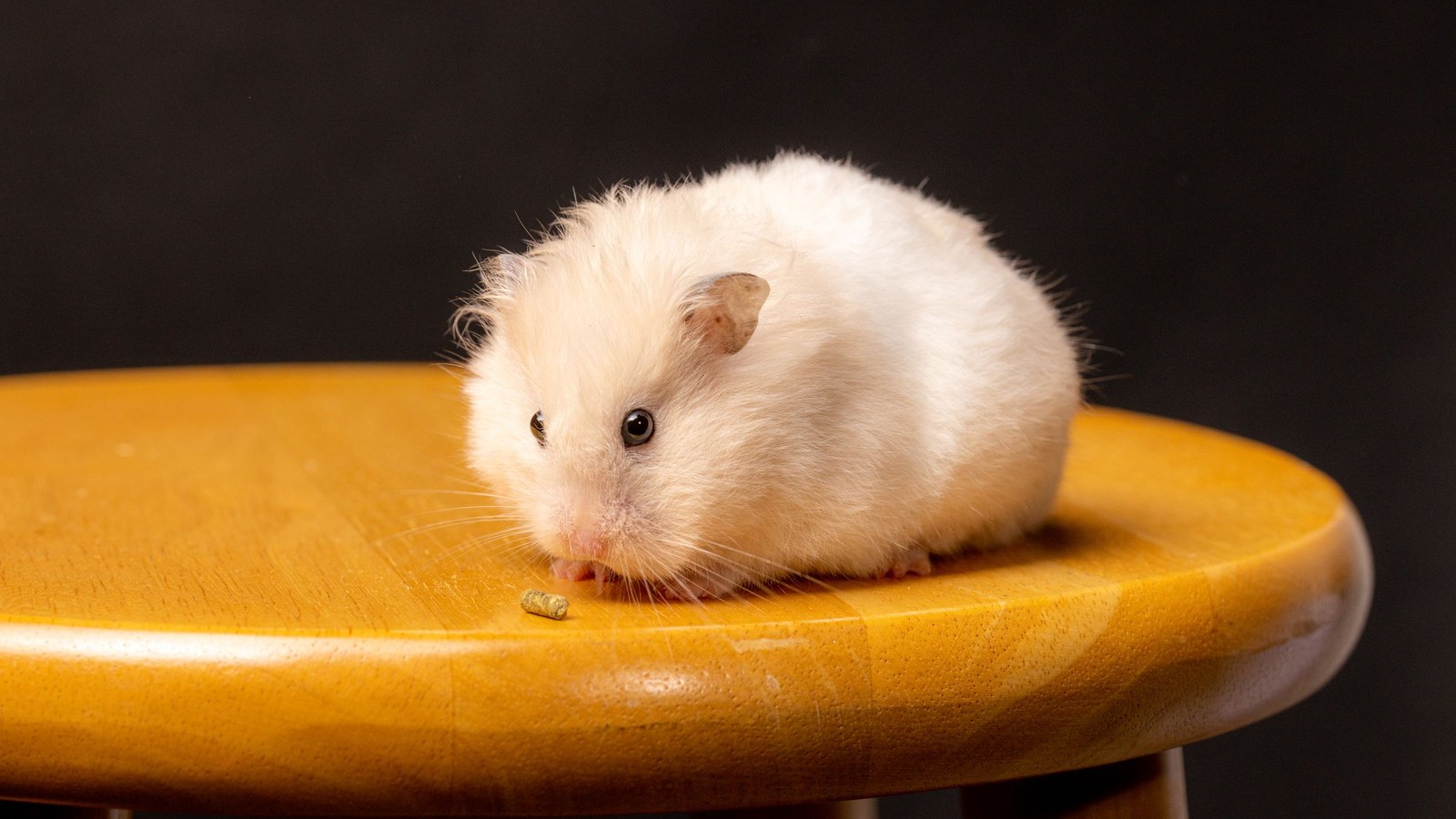
Never feed your hamster, rat, or other small pet chocolate, onion, garlic, raw beans, raw potato, or anything moldy, sticky, heavily sugary, or heavily salty from your own plate. Citrus is unsuitable for many species, iceberg lettuce in quantity offers little but watery bulk, and a food that is perfectly safe for people — or even for another pet species — is not automatically safe for yours. When in doubt, leave it out.
The Household Foods That Cause Trouble
Chocolate contains compounds small animals cannot handle well and should be treated as strictly off-limits. Onion and garlic, raw or cooked, can damage red blood cells in many small mammals. Raw kidney beans and raw potato carry natural toxins that cooking neutralises for us but that make the raw versions a real risk in a tiny body. Green potato skin is a particular hazard. Sticky foods like thick peanut butter or soft caramel can lodge in cheek pouches or choke a small pet, and salty snacks, cured meats, and seasoned leftovers overload kidneys built for a plain diet.
Species Differences Matter
Safe lists are not interchangeable. A piece of carrot that delights a guinea pig may be too sugary, too often, for a dwarf hamster prone to weight problems. Citrus fruits are generally avoided for rats and many other small mammals, while guinea pigs actually need vitamin C from suitable vegetables like bell pepper. Ferrets should not be given plant foods or sweets at all. Alcohol, caffeine, and avocado are out across the board. This is why generic advice from a friend with a different pet can mislead: always check a reliable list for your exact species, or ask your veterinarian.
The Quiet Risks: Mold, Storage, and Wild Plants
Moldy hay, stale pellets, and food stored damp can carry toxins invisible to the eye — if it smells off, bin the batch rather than picking through it. Never feed lawn clippings, which ferment fast and may carry pesticides, and avoid wild-picked greens unless you can identify the plant with certainty and know the area is untreated. Wooden chew items should be from pet-safe, untreated wood. Even tap-water treats like a shared ice cream spoon combine sugar, dairy, and cold in ways a small gut does not appreciate.
What To Do If a Forbidden Food Gets Eaten
Stay calm and note what was eaten, roughly how much, and when. Watch your pet closely for changes: loss of appetite, unusual droppings, lethargy, drooling, or breathing difficulty all warrant a prompt call to your veterinarian, who can advise based on the species and amount. Do not try home remedies or wait days to see — small animals have fast metabolisms and small reserves, so early advice matters far more than home experiments. Keep the packaging or a photo of the food if it was a commercial product, as that helps the vet assess it.
Record Personal No-Go Foods in the Pet Passport
Beyond the universal list, many pets have their own sensitivities — the vegetable that always loosens one rat's droppings, or an allergy noted at a check-up. KinsLe's Pet Passport gathers your pet's records packet — vaccines, medications, allergies, and documents — into one shareable place for vets and sitters. Add your pet's personal no-go foods and allergies there, so anyone who feeds them works from your list rather than guesswork. It is a small habit that prevents the most common feeding accidents. For feeders outside the household, the specifics belong in the Pet Passport notes on KinsLe: every food this pet must never eat, named one by one, plus any allergy a vet has flagged.