
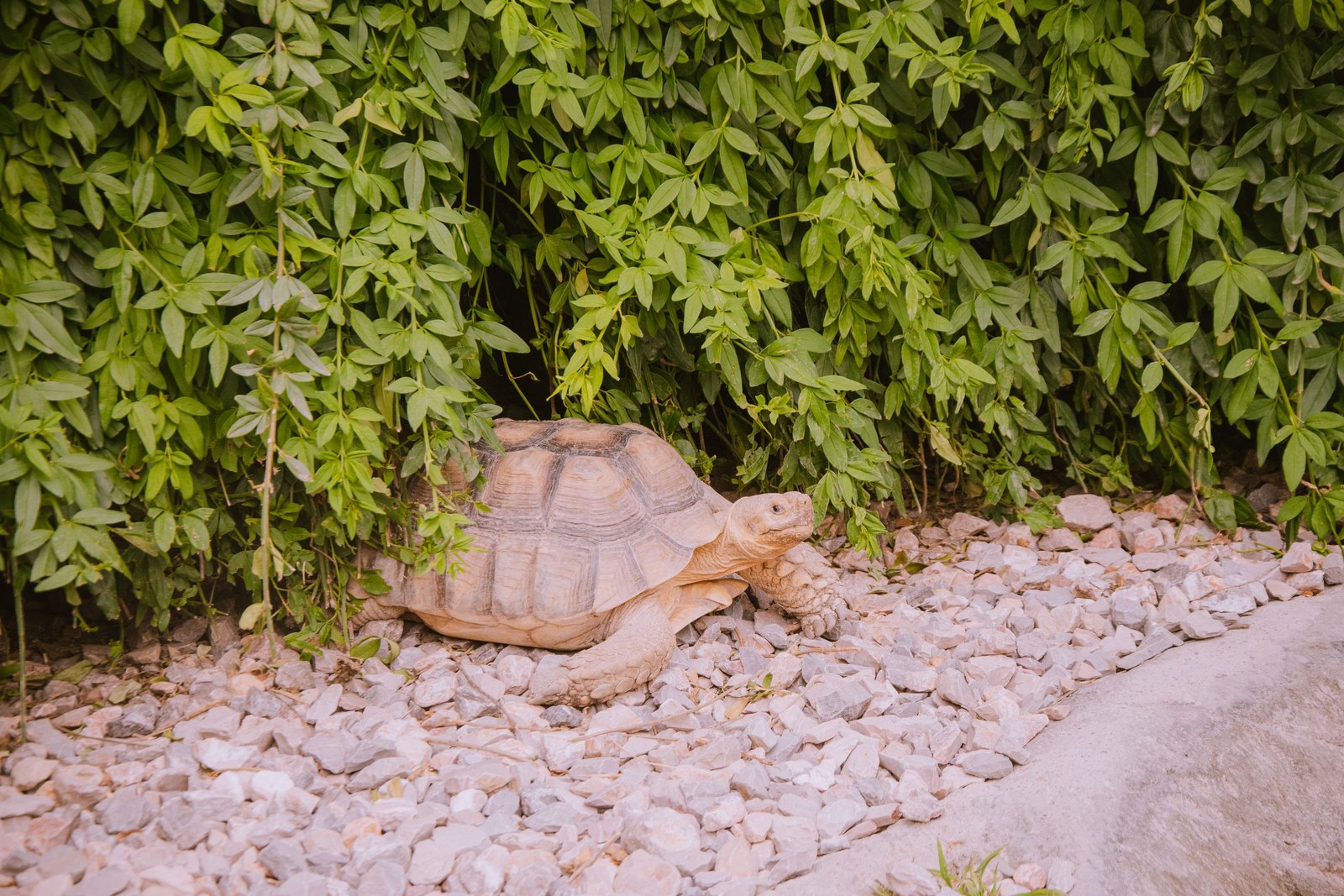
Some foods should never reach your tortoise, no matter how hopefully it looks at your plate. Dog and cat food, dairy, bread, and processed human foods top the list — they are far too high in protein or simply indigestible for an animal built to ferment fiber slowly. Iceberg lettuce should never be a staple, weeds from chemically treated ground are dangerous, and a handful of appealing-looking plants are quietly toxic. Knowing the never list protects your tortoise from the most common feeding mistakes.
The Definite Never List
- Dog and cat food — the protein and fat levels strain a tortoise's kidneys and liver and can deform growth over time.
- Dairy — tortoises cannot digest it; cheese and yogurt cause gut upset, not nutrition.
- Bread, pasta, and processed foods — refined starches and salt with nothing a tortoise needs.
- Iceberg lettuce as a staple — mostly water, it fills the stomach while delivering almost no fiber or nutrients.
- Avocado, rhubarb, and daffodil family plants — among the plants known to be unsafe for tortoises.
- Meat for herbivorous species — grassland and Mediterranean tortoises are not built for it.
Why Protein Is a Bigger Deal Than It Looks
Tortoises process protein very differently from dogs or people. A diet consistently too rich in protein is linked with rapid, uneven shell growth — the raised, bumpy pattern called pyramiding — and with kidney strain that may not show symptoms until it is advanced. This is why "a little bit of cat food as a treat" is not a harmless indulgence for a Russian or Hermann's tortoise; the harm is cumulative and quiet.
The Chemical Problem
Weeds and grasses are the backbone of a good tortoise diet — dandelion, plantain, and clover are excellent — but only from ground you know is untreated. Lawn herbicides, pesticides, and fertilizers turn a perfect food into a poison delivery system. If you cannot verify the history of a patch of ground, buy or grow your weeds instead. The same caution applies to store-bought greens that have not been washed.
What to Feed Instead
Build the diet on leafy greens and safe weeds: dandelion greens, collards, endive, escarole, turnip greens, and pesticide-free garden weeds. Add variety with squash, bell pepper, and occasional flowers like hibiscus. When in doubt about a specific plant, leave it out until you have checked it against a reliable species-appropriate food list — no single meal is worth the risk.
One safety note: if you believe your tortoise has eaten something toxic or chemically treated, do not wait for symptoms — contact a reptile veterinarian or an animal poison service promptly, and note exactly what was eaten and roughly how much. Store garden chemicals and pet foods where a free-roaming tortoise cannot reach them.
One List Everyone Can Check in KinsLe
Feeding mistakes usually happen when a well-meaning helper does not know the rules. KinsLe's Pet Passport — the records packet holding your tortoise's vaccines, medications, allergies, and documents — is the right place to keep the off-limits food list alongside the approved one, so everyone who helps with feeding works from the same page. The Passport can be shared with sitters and vets, and your tortoise's first profile is free. Write the banned foods beside the approved weeds in the Pet Passport record on KinsLe, so every helper feeds from one checked source.