
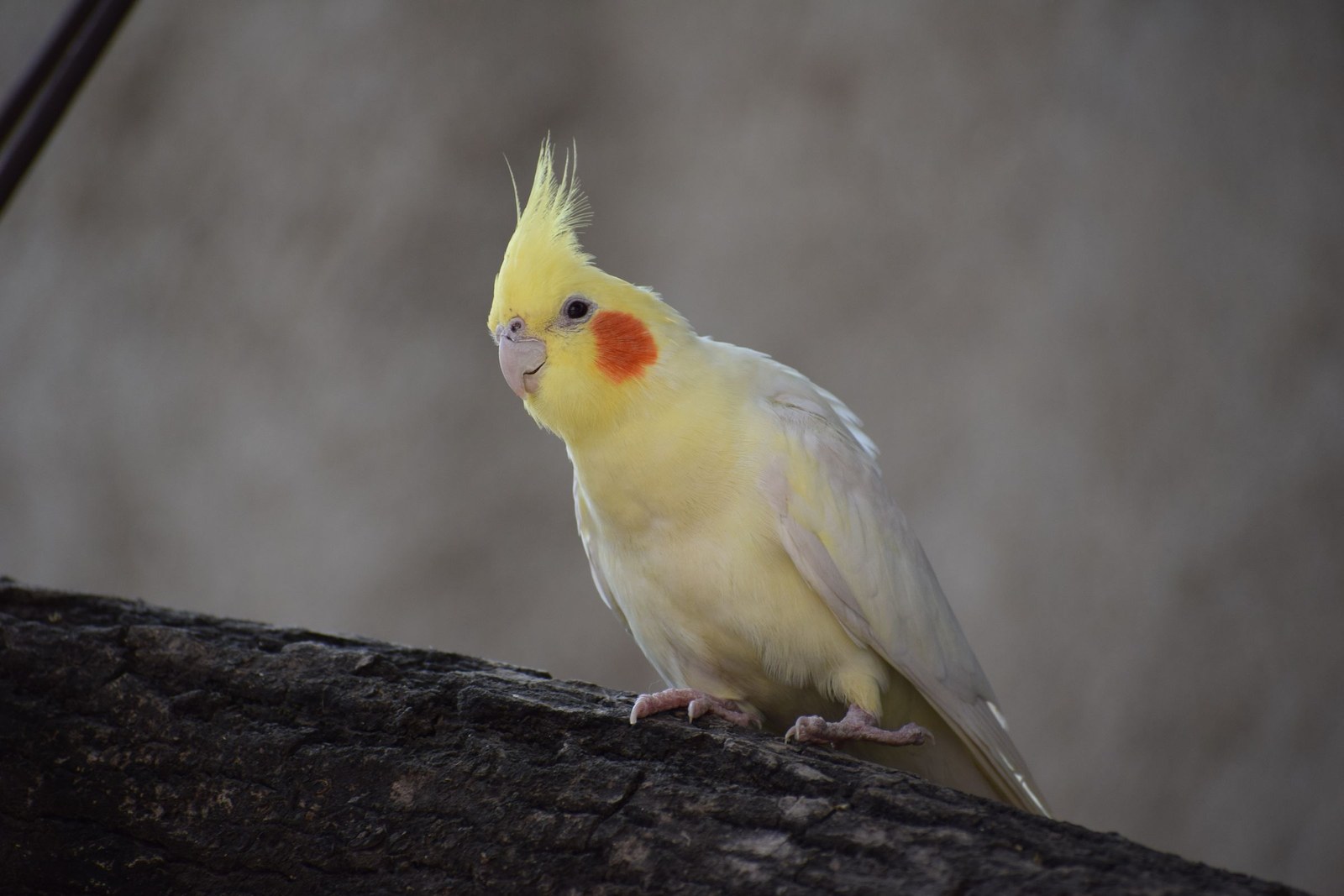
Plenty of fresh vegetables are both safe and genuinely good for your cockatiel: leafy greens such as kale, bok choy, and romaine, plus broccoli, carrots, sweet potato, corn, and peas all make excellent daily offerings. Cockatiels are enthusiastic nibblers, and a small, colorful chop served each morning gives them nutrition that seed alone cannot, along with the foraging fun of picking through it.
The Vegetables Cockatiels Do Best With
Dark leafy greens are the stars — kale, bok choy, romaine, and dandelion greens bring vitamin A and calcium, two nutrients seed diets run short on. Orange vegetables like carrot and cooked sweet potato add beta-carotene, which supports healthy feathers, skin, and vision. Broccoli florets are a cockatiel favorite because the tiny buds feel like seeds to pick at. Peas and corn kernels add variety and are easy for a cockatiel's beak to manage. Rotating three or four vegetables across the week covers more nutritional ground than one perfect vegetable served daily.
How to Serve Them So They Actually Get Eaten
Wash everything thoroughly and chop it small — cockatiels prefer pieces they can hold or nibble from a shallow dish. Most vegetables are best raw; sweet potato should be cooked plain until soft. If your bird ignores the bowl, try presentation tricks: clip a kale leaf to the cage bars, thread chunks on a stainless skewer, or sprinkle chop over the regular food so new flavors get tasted accidentally. Eat a piece yourself in front of a bonded cockatiel — flock animals copy flock animals. Above all, persist: a vegetable refused on Monday is often demolished on day ten, and removing uneaten fresh food after a few hours keeps the cage clean and the offering fresh tomorrow.
A Simple Daily Rhythm
- Morning: a tablespoon or two of fresh chop alongside the usual pellets
- Rotate the mix: greens one day, carrot and broccoli the next, peas and corn after that
- A leafy green offered most days, since that is where the biggest nutritional wins are
- Fresh water every day, and leftover wet food removed by afternoon
Sprouted seeds are another bridge food many cockatiels adore — they look like seed but carry more nutrition, and they sit happily beside the vegetable bowl.
Foods to Keep Off the Menu
Never offer avocado, onion, garlic, chocolate, or anything with caffeine, and go easy on salty human snacks entirely — birds handle salt poorly. Rinse produce to remove surface residues, and if you are ever unsure about a new vegetable, check with an avian vet before serving it rather than experimenting on your bird.
Making Fresh Food a Habit, Not an Afterthought
The vegetables are the easy part; remembering them every single morning is the real challenge. When a question comes up at chop time — whether a new green is safe to try, how finely to cut a stubborn carrot, or whether sweet potato needs cooking first — you can bring it to Kimmy in KinsLe and get a clear answer on the spot. Small, steady habits are what keep a cockatiel thriving for twenty years or more. Kimmy can answer follow-up questions about cockatiel vegetables on KinsLe, with replies drawn from the KinsLe Answers library.