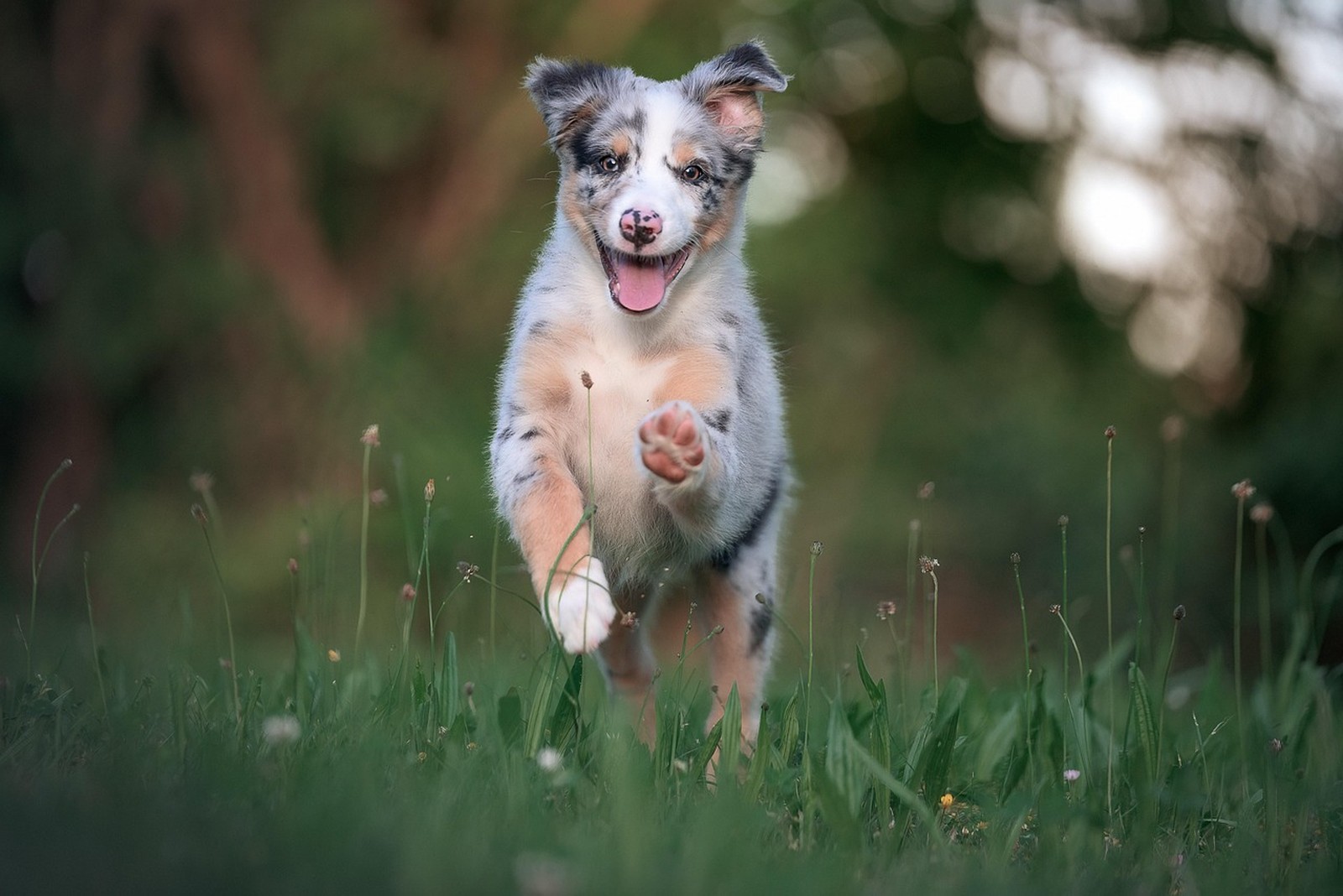
Hardy as the breed often is, an Australian Shepherd carries several inherited risks worth knowing by name: joints that can develop dysplasia at the hip, epilepsy, inherited eye conditions such as cataracts, collie eye anomaly, and an MDR1 gene mutation leaving affected dogs at real risk from some everyday medicines, among them certain wormers and anti-diarrhoeals. Lymphoma and hemangiosarcoma, two cancers, also show up in the breed more often than average. Knowing the list changes how you vet a puppy (ask about parents' hip scores, eye tests, and MDR1 status) and what you watch in an adult.
What To Watch, By Life Stage
In a young Aussie, watch gait and stamina for hip problems — bunny-hopping, stiffness after rest, reluctance with stairs — and have eyes checked if you notice cloudiness or bumping into things in dim light. Tell every vet your dog sees about MDR1: a simple DNA test settles whether your dog carries the mutation, and the result belongs in your dog's records for life, because it changes drug choices in emergencies. In seniors, new lumps, weight loss, pale gums, or sudden collapse are same-week (or same-day, for collapse) vet matters, since the breed's cancers can be fast-moving. Epilepsy typically appears between one and five years: a first seizure always earns a vet call the same day.
Working With Your Vet
For this breed, the record you hand over matters as much as the examination. Give your vet the MDR1 result in writing, the dates and duration of any seizure or collapsing episode, and a note of when a limp, eye change or lump first appeared and how it has progressed since. Your veterinarian decides what any of those signs mean and what testing follows; your contribution is an accurate timeline, because a seizure described as 'last Tuesday, about two minutes, after a long run' leads to a very different conversation from a vague report of funny turns.
Book a vet promptly for any seizure, any sudden collapse or weakness, a cloudy eye, or a limp that lasts more than a few days — those are the breed-list signs that should never be waited out.
Keep an Aussie-specific health record rather than a general diary: MDR1 status at the front, eye examination dates, hip observations after exercise, and a seizure log if one ever starts, each entry dated. When medication changes, a new vet takes over, or your dog is boarded, that record is what prevents a dangerous drug being offered in good faith by someone who did not know. Review it at every annual check and update it the same day any test result arrives.
That breed record travels as a portable packet in the Pet Passport inside KinsLe, so a new vet, boarder or emergency clinic starts from the full picture.