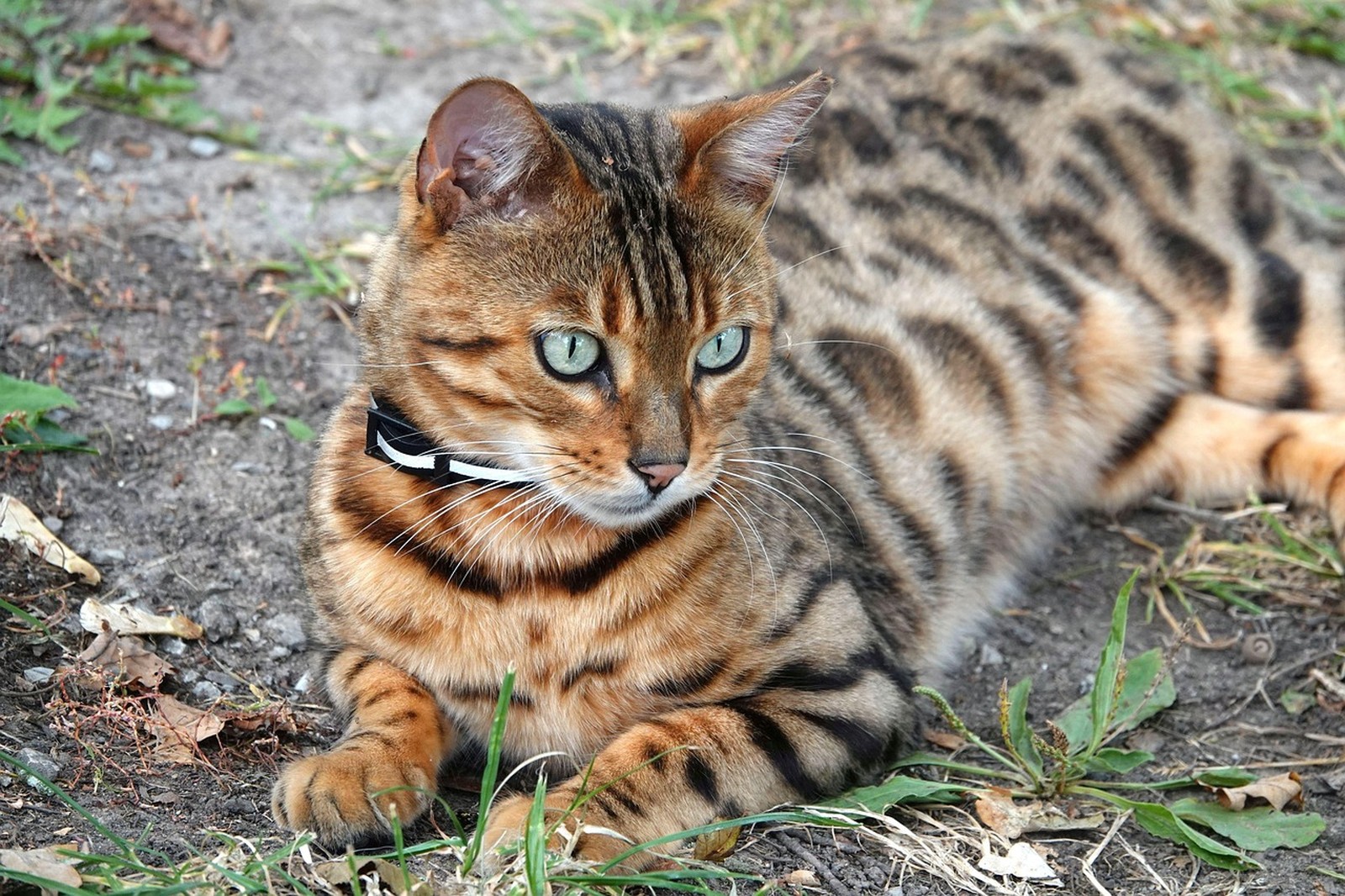
Four conditions shape Bengal health. Pyruvate kinase deficiency is a hereditary blood disorder in which red cells break down, bringing bouts of anaemia. Patellar luxation means kneecaps that slip out of place. Bengal progressive retinal atrophy damages the light-sensing retina over time, taking sight in young adults. Hypertrophic cardiomyopathy (HCM) thickens the heart's muscular wall and occurs in many breeds besides this one. Reputable Bengal breeders screen for these — heart scans, eye examinations, and DNA tests — so asking for those results is a key health move a Bengal buyer makes. Ask to see the paperwork itself, not a summary of it.
Watching an Athletic, High-Energy Cat
Vision loss in Bengals often shows first at night: hesitating in dim rooms, missing jumps they used to land, or startling at quiet approaches. HCM can be silent for years, which is why breed-aware vets listen carefully at every check and may suggest a heart scan for a Bengal with any murmur or gallop rhythm; breathing changes, sudden hind-leg weakness or pain (a blood-clot complication), or fainting in any cat are emergency signs. Episodes of weakness, pale gums, or tiredness that come and go fit the anaemia picture and deserve blood work rather than being put down to mood. Keep Bengals lean and exercised — their athletic build hides extra weight badly, and kneecaps thank you for it.
Working With Your Vet
With a Bengal, watch first and write it down: note when night-time hesitation, a missed jump or a tired spell began and what else changed that week, then let a veterinarian examine her and make the diagnosis. Breed background like this helps you decide what to track and how fast to call, but it cannot replace that examination — dated notes, plus video of a wobbly episode or laboured breathing, give the vet far more than a worried summary can.
Sudden hind-leg pain or paralysis, breathing difficulty, collapse, or clear vision loss in a Bengal is an emergency vet visit.
Keep a running Bengal log: weight, appetite, water intake, litter habits, play stamina, and the day any symptom first showed. Spread over a fortnight, those entries expose a pattern — fading stamina, returning anaemia spells — that memory alone smooths over before the appointment. Update the baseline when she moves home, starts a medication, or enters her senior years, because each shift redefines what normal looks like for her.
For this breed's paper trail, KinsLe's Pet Passport holds screening dates, notes and vet history in a single packet that travels with her to every visit.