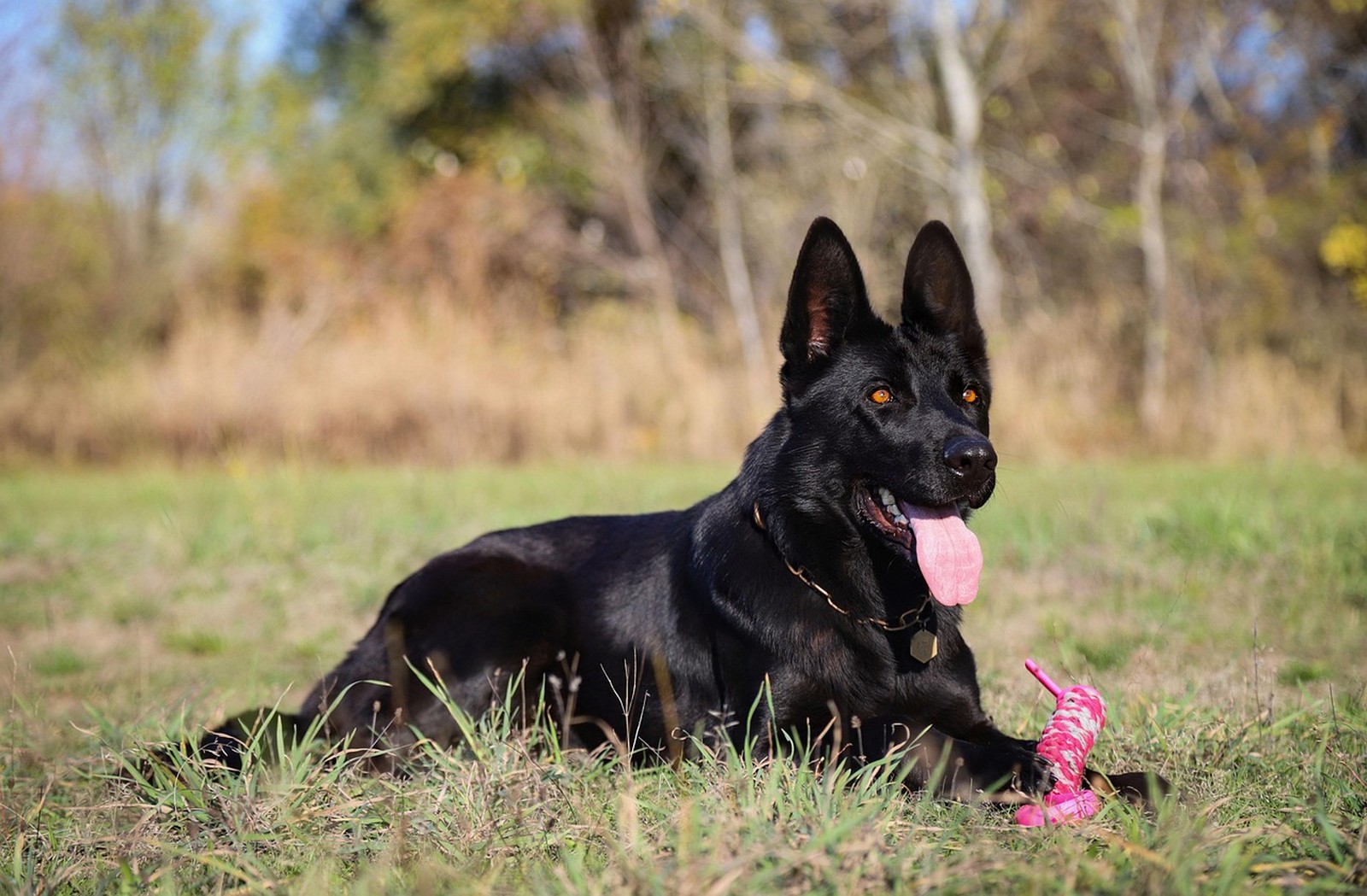
A German Shepherd's health list is anchored at the back end. Hip and elbow dysplasia head it, joined by degenerative myelopathy — a creeping spinal cord condition seen in seniors that gradually takes the back legs — plus bloat in a deep chest, exocrine pancreatic insufficiency starving the body of digestive enzymes, and skin allergies. Myelopathy usually shows from around eight years old, beginning with scuffed back toes and a hindquarter wobble the dog appears not to feel.
Reading the Back End Honestly
In young Shepherds, watch for the dysplasia picture: bunny-hopping, stiffness after rest, reluctance to rise or climb, and a swaying rear gait — hip scores on parents reduce but do not eliminate the risk, and lean weight plus sensible exercise in growth help joints develop their best. In seniors, toe-scuffing, worn back nails, and crossing back legs are the myelopathy pattern to raise with your vet early; there is no cure, but physiotherapy and mobility support keep dogs going well, and other treatable spinal problems must be ruled out first. Know bloat as an emergency in this deep-chested breed: a tight swollen belly, unproductive retching, drooling, and pacing mean an emergency vet immediately. Persistent soft stools with weight loss despite good appetite should prompt an EPI blood test — it is very treatable once identified.
Working With Your Vet
Shepherd appointments sharpen when owners separate the young-dog picture from the senior one in their notes: bunny-hopping, stiffness after rest or reluctance to rise in a youngster, against toe-scuffing, worn back nails and crossing hind legs in an older dog. Give your veterinarian dates and progression for either pattern, because treatable spinal problems must be ruled out before myelopathy is assumed. Stool changes with weight loss despite a strong appetite belong in the same notes, flagged for an EPI blood test.
Bloat signs are a minutes-matter emergency; new hind-leg wobbliness, collapse, or rapid weight loss in a German Shepherd should be seen within days.
The Shepherd record that helps most pairs mobility with digestion: a dated line for gait changes, nail wear and stamina, beside weight and stool notes across the same months. Add bloat-risk habits — meal size, eating speed, exercise timing — and review the whole file after any change in routine or age stage. Your vet reads trends from that sequence which no single examination, however thorough, can supply on its own.
File mobility notes and blood results in the Pet Passport on KinsLe, and your Shepherd's vet can track the back end across years instead of relying on recollection.