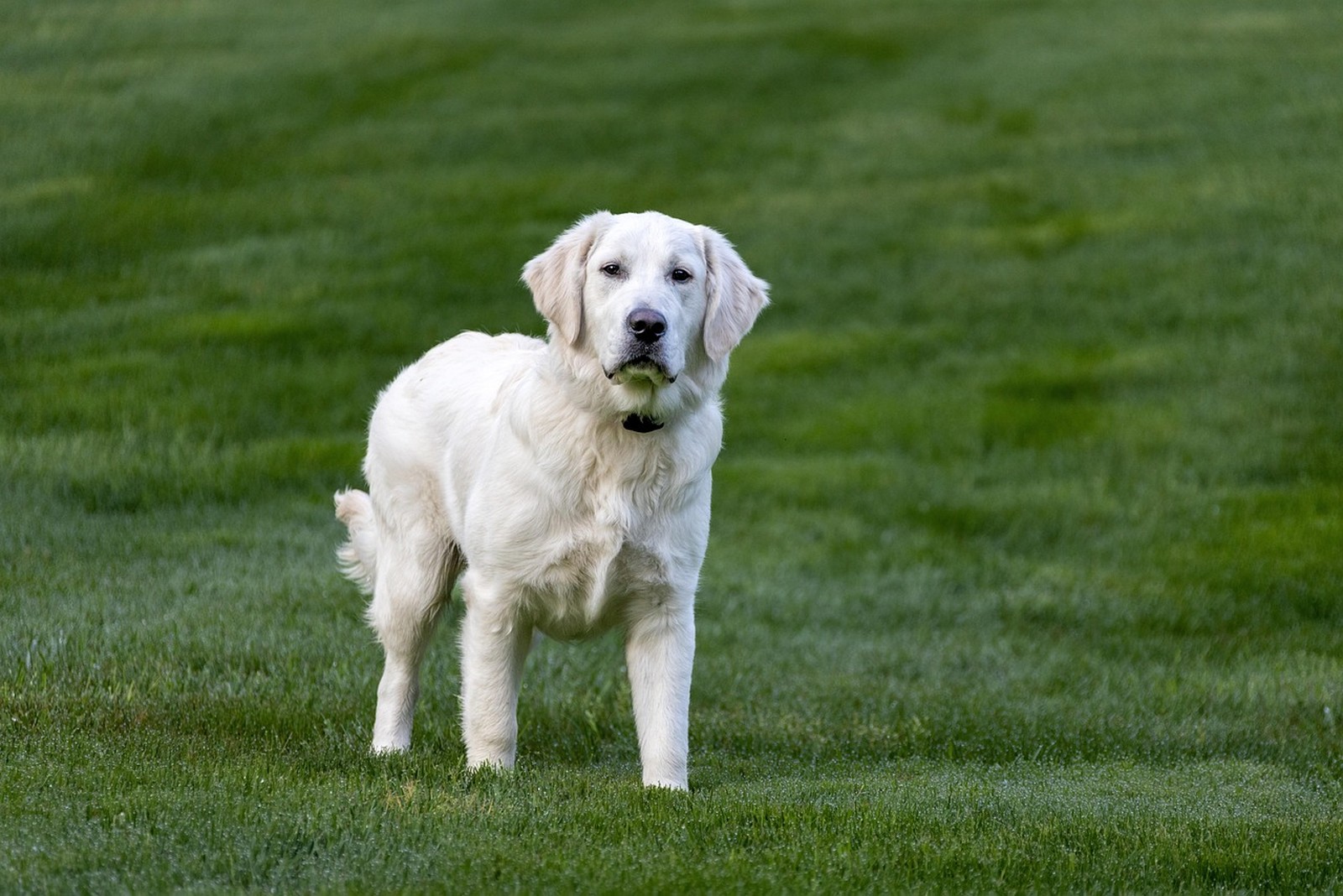
Cancer sits at the centre of Golden Retriever health to a degree few breeds match, with studies finding it the leading cause of death and lymphoma and hemangiosarcoma the forms seen most often. Around it gather hip and elbow dysplasia, an underactive thyroid, allergic skin trouble with hot spots, ear infections, and eye and heart conditions including an inherited defect below the aortic valve. Senior checks twice a year and prompt attention to lumps genuinely shape outcomes in this breed.
Lumps, Energy, and the Senior Watch
In a Golden, every new lump earns a vet check and usually a needle sample — most are harmless fatty lumps, but the breed's cancer rates mean 'wait and see' is the wrong default. Hemangiosarcoma is the silent one: a senior Golden who is suddenly weak, pale-gummed, off food, or collapses may be bleeding internally, and that picture is an emergency vet immediately, not tomorrow. Keep Goldens lean (their appetites are legendary and weight loads dysplastic joints), check ears after swimming, and watch the thyroid pattern — weight gain, lethargy, coat thinning — which a blood test settles. From around seven, ask your vet about twice-yearly checks so bloodwork and lump checks catch change early.
Working With Your Vet
With a Golden, arrive at the vet with lumps mapped: where each sits, when you first noticed it and how it has changed, so sampling decisions happen on evidence. Sudden weakness, pale gums or collapse in a senior dog should never wait for that appointment — that picture suggests internal bleeding and needs an emergency visit at once. Between emergencies, bring weight, ear flare dates and any coat thinning or lethargy, because that combination is how your veterinarian decides on thyroid testing.
Sudden weakness, pale gums, or collapse in a Golden is an emergency; any new lump, unexplained weight change, or lasting lethargy should be seen promptly.
A Golden's file grows long across a lifetime, so structure it: sampling results beside the lump map, bloodwork from each senior check, and a simple weight line running through the years. Note appetite, energy and recovery after exercise as they shift, and review the record whenever a new lump or a new life stage appears. That continuity lets your vet compare today against a documented baseline rather than a hopeful memory.
Keep sampling results and senior bloodwork in the Pet Passport on KinsLe, and your Golden's vet follows change across the years instead of meeting each lump cold.