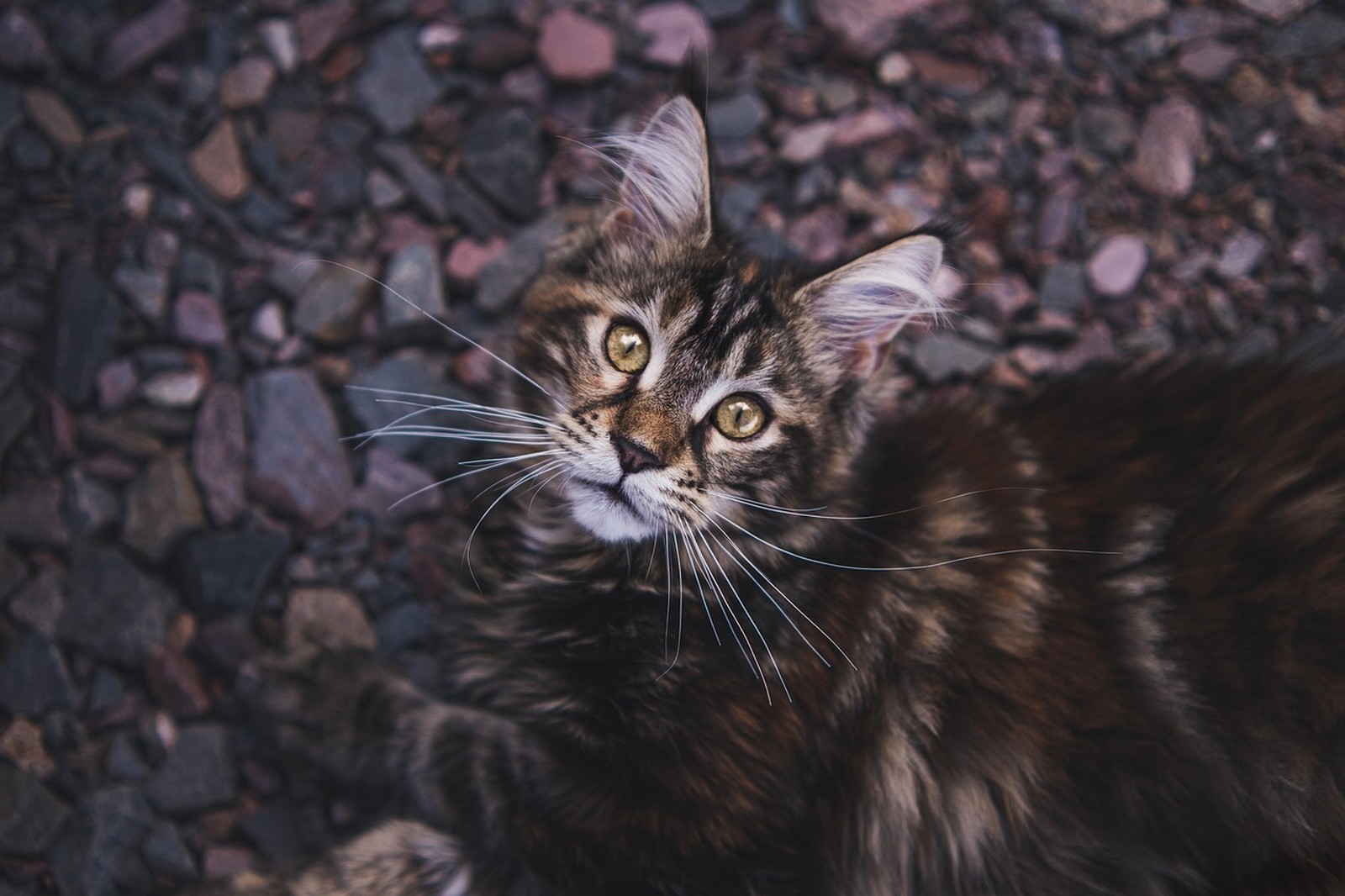
Size shapes the Maine Coon risk list. Hip dysplasia — unusual in cats, but this breed is built like a small dog — and spinal muscular atrophy, an inherited condition causing hind-leg weakness and muscle loss in kittens from a few months old, sit alongside hypertrophic cardiomyopathy (HCM), for which a breed gene mutation exists that responsible breeders DNA-test for. Polycystic kidney disease appears in some lines, and big cats generally are prone to dental disease and, if overfed, the weight-related problems of any large frame.
A Big Cat Needs Big-Cat Monitoring
A Maine Coon kitten who is wobbly, trembly, or losing hindquarter muscle from three to four months old fits the spinal muscular atrophy picture and should be assessed promptly — affected cats are not in pain and often live good lives as indoor cats, but the diagnosis shapes how you set up their world. Hip dysplasia in a Maine Coon looks like reluctance to jump up, a swaying gait, or grumpiness at hip handling, and lean weight is again the owner's main lever. HCM screening matters: ask breeders for both the DNA result and evidence of heart scanning, because the gene test does not catch every case. Any Maine Coon with a murmur, breathing change, or reduced stamina deserves the cardiac conversation early rather than late.
Working With Your Vet
With a Maine Coon, observation starts with movement: note when a kitten's hind legs began to wobble, when jumping up stopped, or when stamina shortened, and what else changed at the same time. Then let a veterinarian examine him and make the diagnosis — this background helps you judge what to track, but it cannot replace an examination, and dated notes with video of his gait give the vet far more than a worried summary can.
Breathing changes, fainting, sudden hind-leg problems, or a kitten losing hindquarter strength in a Maine Coon should all be seen by a vet promptly.
Keep his log size-aware: weight against his growth stage, appetite, water intake, litter habits, jumping and gait, and the day any symptom first appeared. Spread over a fortnight, those entries expose a pattern — a swaying walk, fading hindquarter muscle — that memory alone smooths over before the appointment. Update the baseline when he moves home, starts a medication, or finishes growing, because each shift redefines what normal looks like for him.
For a Maine Coon, KinsLe's Pet Passport holds growth notes, screening dates and visit records in a packet that travels with him to every appointment.