
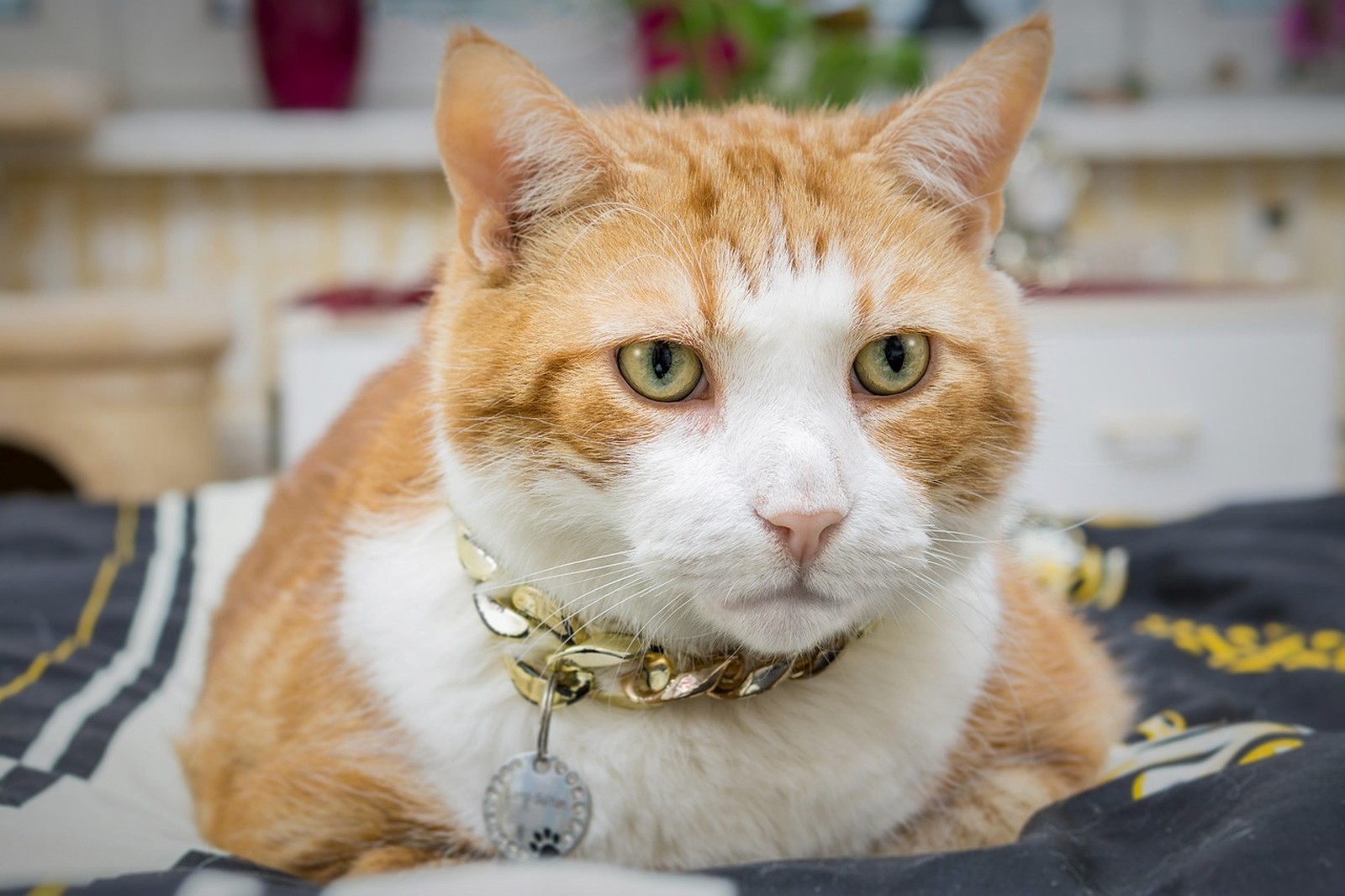
If your lost cat loses her collar, she isn't out of options — as long as you built backup identification before she ever got out. A microchip with current registry details, plus clear recent photos showing her markings, gives shelters, vets, and finders a way to identify her even with no collar and no tag. A collar can slip off; a chip and a good photo trail stay with her story.
How Collars Come Off — by Design
Ironically, a good collar is meant to come off. Breakaway clasps release when snagged specifically so a caught cat isn't strangled, and a frightening escape — squeezing under a fence, bolting through brush — is exactly the kind of force that pops one open. Even non-breakaway collars can stretch or slide over the head of a cat determined to wriggle free. So the right mindset is to treat the collar as the first layer of identification, never the only one, and to be grateful it released if the alternative was an injury.
The Microchip: Identification That Can't Fall Off
A microchip sits under the skin between the shoulder blades and carries an ID number linked to your contact record. Any shelter or vet clinic can scan it in seconds. Its weaknesses are administrative, not physical: the chip only helps if your phone number and address in the registry are current, and if whoever scans her actually makes the call. Keep the registry updated whenever your details change, and ask your vet to test-scan the chip at annual visits to confirm it still reads.
Photos: The Backup Owners Control
When a collarless, unchipped cat arrives at a shelter, identification becomes visual — and that makes your photos critical evidence. Keep a current set: face straight on, each side, belly and tail markings, and any distinctive feature like a notched ear, a white toe, or a kinked tail. Tabby patterns that look identical at a glance differ in stripe detail, and the photo that proves she's yours may be the one showing that exact forehead marking. Refresh the set as she ages or her weight changes, and store it somewhere you can reach from your phone in a panic.
What to Do While She's Missing
Report her to shelters and local lost-pet groups with those photos and a precise description, and visit shelters in person — a 'brown tabby, no collar' description on a busy intake day can be logged in ways you'd never match by phone. Note her chip number in your report so staff can cross-check any unidentified cat who comes in.
Pet Pass: Another Way to Confirm She's Yours
KinsLe's Pet Pass is your cat's verified ID card, holding her identity in one place alongside her profile. If a finder or shelter needs to confirm who she is, that verified record gives them — and you — a clear reference to compare against, even when her collar is gone. Layered together — collar, chip, photos, and Pet Pass — her identity doesn't depend on any single item surviving the adventure. Pet Pass on KinsLe stays as that credential when her collar does not, letting a shelter confirm her identity from the verified record you control.