
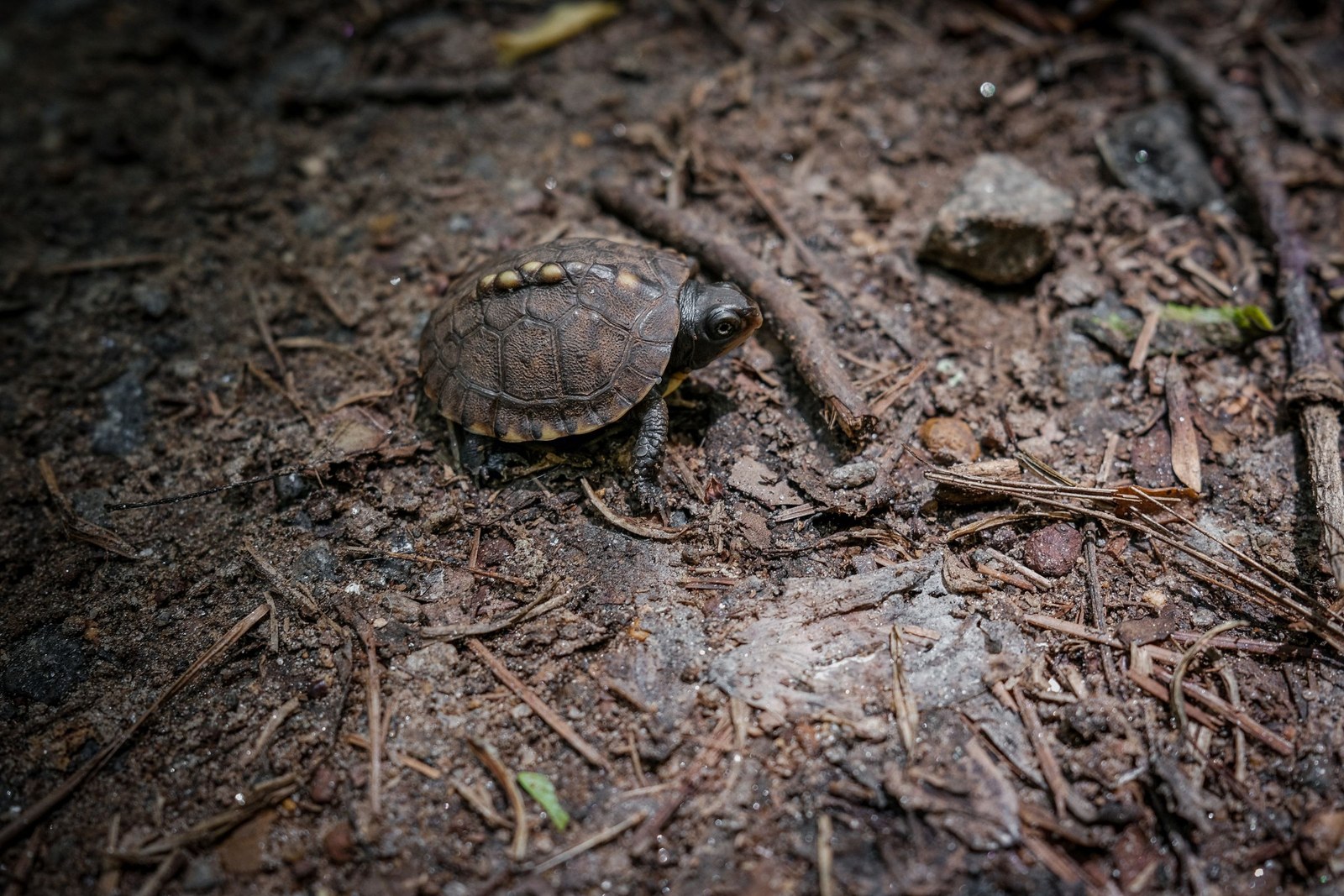
The best first turtle, tortoise, or frog is a hardy, well-documented species whose adult size fits your space and whose care tolerates small beginner mistakes. Beginner-friendly never means low-care: it means the care is well understood, the animal is robust when its setup is right, and experienced help is easy to find. Always choose captive-bred animals from a reputable breeder or rescue rather than wild-caught.
First Tortoise: Russian or Hermann's
Russian tortoises and Hermann's tortoises are the classic first tortoises. Adults stay modest in size, roughly six to ten inches depending on species and sex, so a table-style indoor enclosure or a secure outdoor pen is realistic in an ordinary home. Their diet is simple grazing fare: leafy greens, weeds, and grasses rather than specialty items, and they are hardy when heat and UVB light are correct. Expect a lifespan measured in decades, commonly forty years or more, so this is a long commitment in a small shell. The species to admire but skip for now is the sulcata: a hatchling fits in your palm, then grows into a very strong adult well over one hundred pounds that needs serious outdoor space and fencing it cannot bulldoze.
First Turtle: Common Musk or Painted
For an aquatic setup, the common musk turtle is the beginner's friend because it stays small, typically around four to five inches as an adult, which keeps the tank a manageable size. Musk turtles are bottom-walkers that prefer shallower water with plenty of cover, a basking spot, heat, and UVB. Painted turtles are another hardy, active choice, growing a little larger and swimming more strongly, so they suit a bigger filtered tank. Be honest about the famous red-eared slider: youngsters are charming and cheap, but adults reach ten to twelve inches, need a large tank with powerful filtration, and live for decades, which is why so many outgrow starter setups. Whatever aquatic species you choose, budget for filtration, water testing, and weekly partial water changes as part of the hobby itself.
First Frog: White's Tree Frog or Pacman
White's tree frogs earn their beginner reputation honestly. They are comparatively hardy, tolerate a wider range of humidity than delicate species, eat enthusiastically, and have calm temperaments that allow gentle handling with clean, damp hands. A tall terrarium with branches, a large water bowl, and steady warmth suits them well. Pacman frogs are the other common first frog: sedentary ambush feeders that sit half-buried in substrate, need simple housing, and are entertaining at feeding time, although they are strictly look-don't-handle pets with a strong bite for their size. Delicate dart frogs, highly aquatic frogs, and anything wild-caught are better left until you have experience with humidity control, live food cultures, and bioactive setups.
Set Up Before the Animal Arrives
Buy and run the full enclosure first, with heat, light, filtration, or misting working, and confirm temperatures are stable for several days before collection day. Line up food sources you can reach every week, and ask the breeder or rescue exactly what the animal is used to eating and how its enclosure runs.
Lining up a reptile-friendly vet and trusted local suppliers through KinsLe Pet Services Directory before your new pet comes home means week-one questions get expert answers fast.