
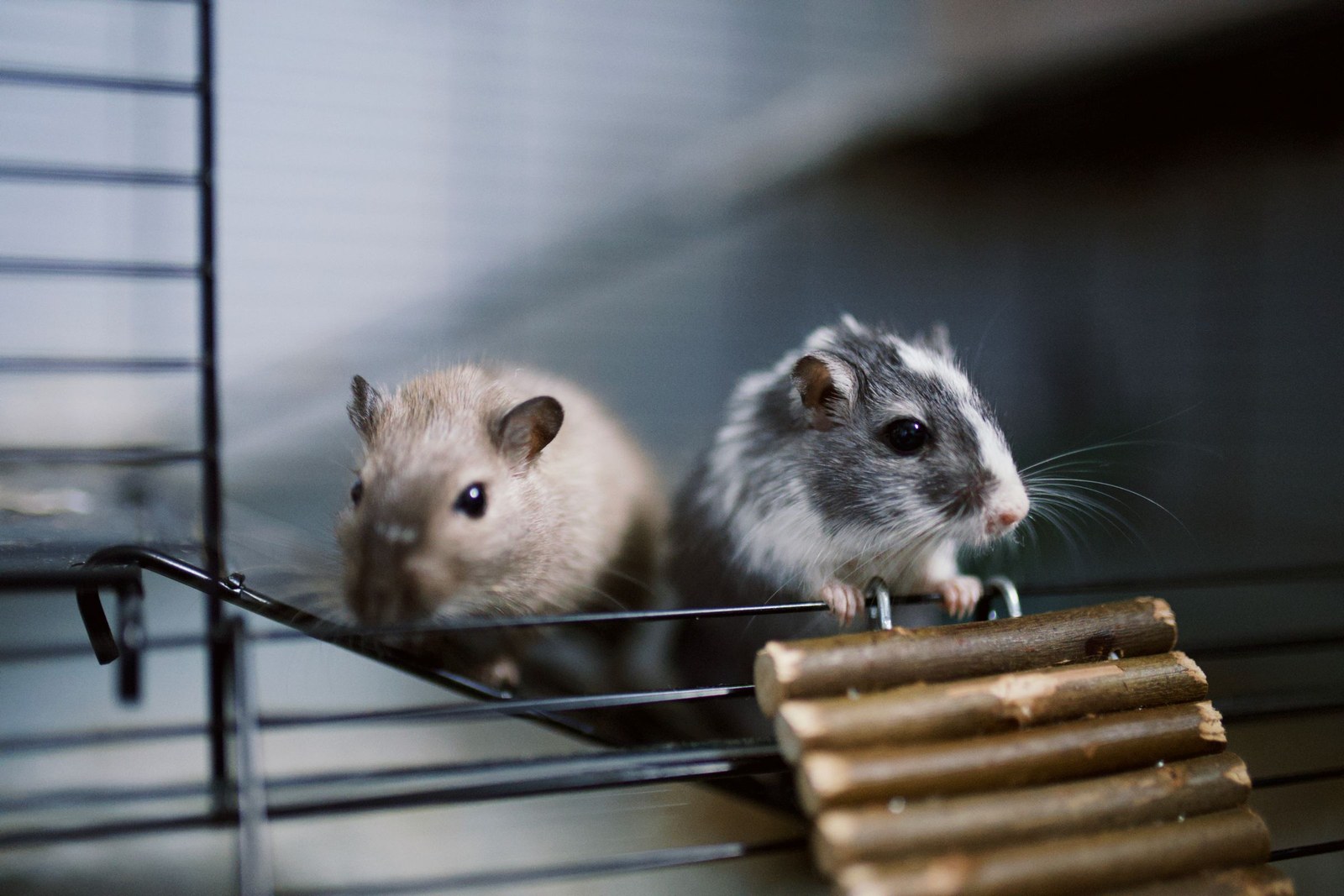
Gerbils need a deep tank they can tunnel through, not a shallow barred cage — a glass tank or purpose-built gerbilarium with 25–30cm or more of bedding is the setup that matches how they actually live. Wild Mongolian gerbils are desert engineers, excavating burrow networks with chambers and multiple exits, and pet gerbils carry the same blueprint. Give them depth to dig and they will reward you with an ever-changing underground city; deny it and you get frustrated glass-scratching and nose-rubbing on bars instead.
Why a Tank Beats a Barred Cage
A tank solves three problems at once. First, depth: you can fill it with a deep substrate layer without it cascading out through bars with every kick — and gerbils kick a lot. Second, visibility and calm: glass walls mean no bar-chewing, which in gerbils often starts as a stereotypy in too-shallow cages. Third, security: gerbils are athletic jumpers, so a tank needs a tight, well-ventilated mesh lid, ideally weighted or clipped. Aim for a tank around 90–100cm long for a pair, since gerbils are social and should live in pairs or small groups — but introduce new companions carefully, as unfamiliar adults can fight; a rescue can advise on bonding.
Building the Digging Layer
Use a mix that holds tunnels: dust-extracted paper bedding, aspen shavings, hay, and shredded cardboard compressed in layers work well. Add cork tunnels, wooden bridges, and buried boxes so the burrow system has "rooms" to discover. Gerbils will rearrange everything — that is the point. A separate sand bath in a sturdy ceramic dish gives them somewhere to keep their coats in condition, since gerbils should never be bathed in water. Keep a small unscented corner for the toilet area; many gerbils naturally pick one spot, which makes spot-cleaning easy.
Chewing: Plan for It
Gerbils shred cardboard with industrial enthusiasm, and their teeth grow continuously, so supply a constant stream of chewables: toilet-roll tubes, willow sticks, seagrass toys, and plain cardboard boxes. Avoid plastic in the digging zone — they will chew it and can swallow fragments. Ceramic or wooden hides outlast plastic ones by months. Because so much gets buried and destroyed, a weekly dig-through to find cached fresh food before it spoils is worth building into your routine.
What to Skip
Skip barred cages with shallow trays, skip fluffy cotton-style nesting material (it can wrap around limbs and is dangerous if swallowed), and skip water baths. Also skip handling by the tail — gerbil skin can slip from the tail if grabbed, a serious injury. Scoop gerbils up in cupped hands or let them walk into a tube or jar for moves.
If a Gerbil Ever Gets Out
A tank this complex is hard to describe in a panic, but identification should be simple. Each gerbil has a unique QR code on its KinsLe profile, printable for a travel carrier or tank label, so a neighbour who finds an escaped digger is not left guessing who to call. A found gerbil goes back home fastest when the person holding it can scan that code, land on the right profile, and contact the owner directly through KinsLe's Verified QR ID Pet Profiles.