
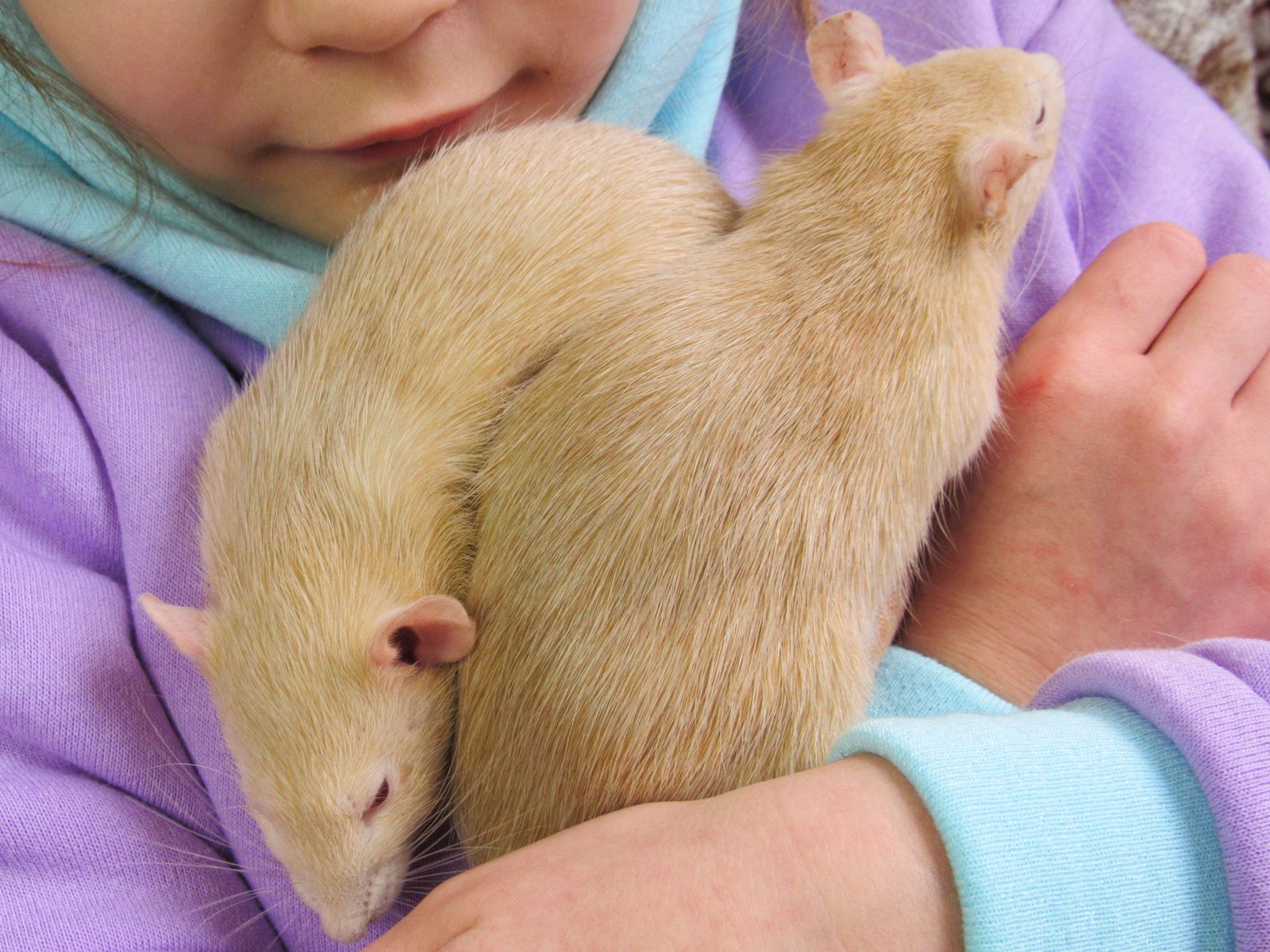
A good daily diet for pet rats starts with a nutritionally complete rat pellet or block as the main course, a bowl of fresh vegetables each day, and only small, occasional extras like fruit, cooked grains, or a little protein. Rats are enthusiastic, clever eaters, and left to a seed mix they will expertly pick out the sunflower seeds and corn while leaving the fortified pieces — and the nutrients — behind. A uniform pellet or block solves that problem because every bite carries the same balanced nutrition.
Start With a Complete Pellet or Block
Quality rat blocks or pellets are formulated to cover protein, vitamins, and minerals in the right proportions for an omnivorous small mammal. Make them the foundation of the bowl and measure the daily amount rather than free-feeding endlessly, because rats will happily overeat, stash food in bedding, and gain weight quietly. A rough handful-sized portion per rat per day is a common starting point, adjusted to body condition. Check stashes during cage cleans — a rat who hides most of the block and fills up on treats is not eating the diet you think he is.
Add Vegetables Daily, Fruit Sparingly
Fresh vegetables are the second pillar. Broccoli, kale, peas, carrots, cucumber, and cooked sweet potato all work well, rotated through the week so your rats get variety without any single food dominating. Offer a small handful of mixed veg per rat each evening, and remove uneaten fresh food after a few hours so it does not spoil in the cage. Fruit — a blueberry, a sliver of banana, a piece of apple without seeds — is best kept to a few times a week. It is sweet, and rats would happily trade their greens for dessert if you let them.
Occasional Extras That Earn Their Place
Cooked pasta, a spoonful of plain cooked egg, a few mealworms, or a little cooked chicken can add interest and useful protein, especially for growing youngsters or nursing mothers. Think of these as garnishes, not courses. Introduce anything new one item at a time and in a tiny amount, then watch droppings over the next day; soft stools usually mean the portion was too generous or the food too rich. Avoid sticky foods like peanut butter in thick blobs, which can be a choking hazard, and skip sugary yoghurt drops marketed as treats — they add sugar rats do not need.
Watch Portions and Body Condition
You should be able to feel your rat's ribs under a thin layer of fat, not hunt for them. Weigh youngsters monthly and adults every few weeks; a kitchen scale and sixty seconds gives you a trend far more reliable than guessing by eye. If the whole group is creeping up, trim the extras first, not the staple pellet. And always keep clean water available, refreshed daily, with the bottle tip checked so the ball moves freely.
How KinsLe Care Teams Keep Portions Consistent
Rat feeding often gets split in real households — one person tops up the bowl in the morning, someone else adds vegetables at night, and nobody knows the treats already happened. KinsLe's Care Teams let you assign feeding and fresh-food prep duties to specific family members, with completions marked and timestamped when done. That means the morning pellet person and the evening veg person can see what has already been given, extras stop doubling up, and portions stay steady even when routines change. It turns a shared job into a coordinated one. Run meals from a single written list in the Care Teams record on KinsLe, where the morning keeper initials the pellet portion, the evening keeper initials the vegetables, and each finished portion appears with its time for the next person.