
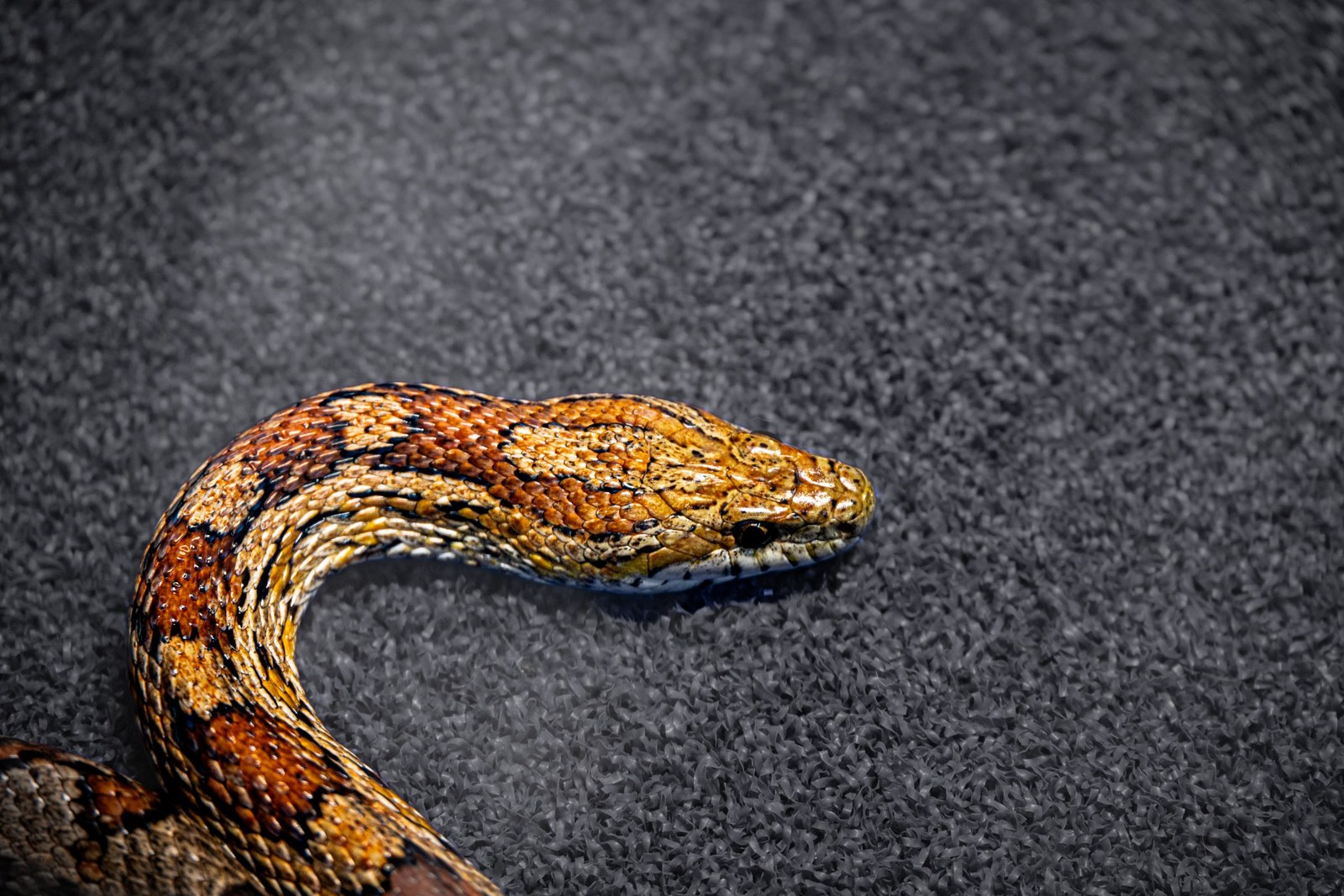
Watch for drooling or unusually thick, stringy saliva, redness or swelling along the gum line, difficulty closing the mouth fully, refusing food, or any visible sores, crusting, or discoloration inside the mouth. In snakes and lizards, a healthy mouth is usually pale pink, clean, and closes evenly on both sides. A mouth held slightly open, a lopsided jaw, bubbly discharge at the corners, or a pet that paws or rubs at its face deserves prompt attention, not a wait-and-see approach.
Why Mouth Problems Develop
Mouth issues in reptiles and amphibians are rarely just about the mouth. They are often linked to the whole setup and overall health. Temperatures that run too cool can weaken normal immune function over time. Low humidity, dehydration, poor nutrition, and vitamin imbalances can leave tissues more vulnerable. Trauma matters too — a lizard that crashes into glass, a snake that strikes at tongs, or rough live prey can cause small injuries that then become irritated.
Species differences help you notice changes. A bearded dragon may show yellowish crusting along the teeth. A ball python might develop excess mucus that looks like drool when it is actually struggling to keep its mouth clear. Leopard geckos and chameleons, with smaller mouths, may simply stop hunting, sit with lips slightly parted, or lose weight before you ever see a sore. That is why appetite and behavior changes count as mouth clues even when you cannot see inside clearly.
What to Look For Without Making It Worse
Do not pry the mouth open repeatedly to check. Forcing it stresses the animal, risks jaw injury, and can make a sore area worse. Instead, watch from outside first:
- Does the mouth close completely and symmetrically after a yawn or feed?
- Is there drool, bubbles, or crust on the chin or enclosure glass?
- Has your pet refused a favorite food it normally takes eagerly?
- Is there swelling on one side of the head or jaw?
- Has breathing become noisy at the same time?
Take clear photos in good light if your pet yawns or opens naturally, and note the date symptoms started, recent feeds, and any temperature problems you found. Check your thermometer readings at both the warm and cool ends — do not rely on a single stick-on dial. This timeline is far more useful to a vet than repeated home examinations.
Safe Next Steps and When to Call the Vet
Book a reptile veterinarian promptly if you see swelling, sores, discharge, an inability to close the mouth, or food refusal lasting beyond a normal missed meal for that species. Mouth problems need hands-on assessment, often including a careful oral exam under proper restraint, and they do not reliably clear on their own.
While you wait for the appointment, keep handling minimal, maintain correct temperatures and clean water, and do not apply human mouth products, antiseptics, or leftover medicines. Do not try to scrape away crusting or squeeze swollen areas. Offer food as usual unless your vet advises otherwise, but do not force-feed. If breathing is affected or your pet is lethargic and not responsive as usual, treat it as urgent and call sooner.
Keeping Vet Updates in One Place With KinsLe Messenger
When you are monitoring a mouth concern, details scatter quickly — a photo today, a temperature fix tomorrow, a vet instruction after the visit. KinsLe Messenger is the per-pet communications hub, so you can keep vet updates, care notes, and messages about that specific snake or lizard together in one place instead of searching through general chats. That makes it easier for anyone helping with care to see what the vet actually said and what changed since. Send the dated photos, temperature readings, and appetite notes you gathered for the vet through the KinsLe Messenger thread on KinsLe, so everyone helping that snake or lizard reads the same account of what changed.