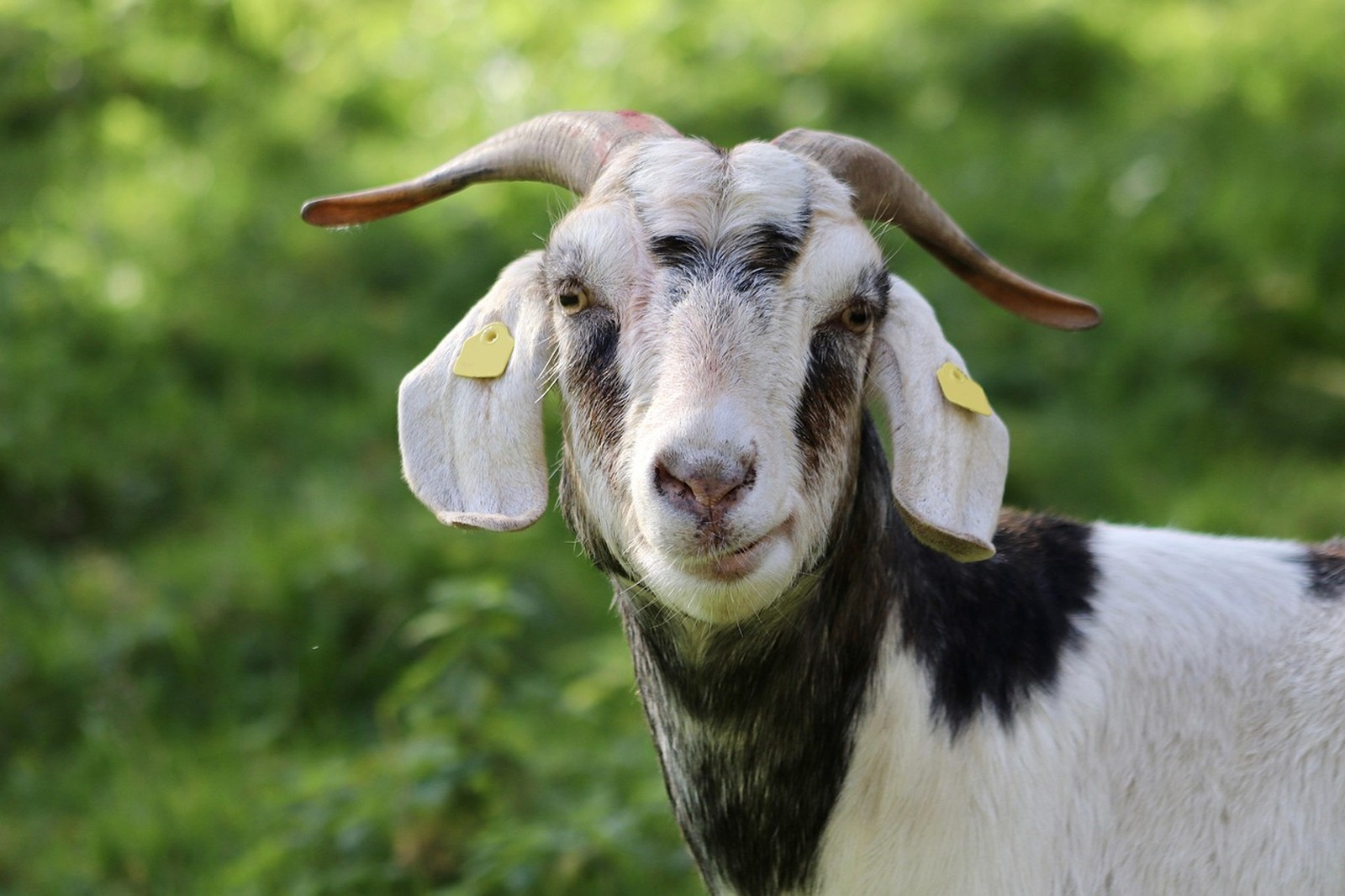
A goat sale agreed with a handshake and a trailer ride home can unravel months later, when your vet asks questions you cannot answer about the animal now standing in your quarantine pen. Paperwork is not bureaucracy for its own sake: it is the goat's identity, proof the seller owned her to sell, and the health history that decides how safely she can join your herd. Ask for it in writing, before money changes hands, and treat reluctance to provide it as information in itself.
Identity and Ownership Papers
Start with a bill of sale that identifies the actual animal, not just a price: the goat's name if she has one, ear tag numbers, breed or cross, sex, colour and markings, and age or date of birth, with the seller's and buyer's names and the sale date. Those tag numbers matter twice over — they tie the paperwork to the goat in front of you, and they connect to the movement and holding records you will keep from arrival. If the goat is registered with a breed society, the registration certificate should come with her together with the transfer form signed by the seller, so ownership of the registration can pass to you; an unregistered goat is a reasonable purchase, but the price should reflect it. Check that the numbers on the papers match the tags in the ears before the goat is loaded, not after the trailer door closes.
Herd Health Testing to Ask For in Writing
Three diseases shape the written questions for goats, because all three can travel silently in an apparently healthy animal. Ask for dated test results, or a herd-status letter from the seller's vet, covering CAE (caprine arthritis encephalitis), caseous lymphadenitis (CL), and Johne's disease — and ask what the herd's testing routine is, since a single old result on one animal says less than a herd tested on a regular cycle. Ask too about abscess history in the herd, about any abortion problems, and about foot rot, and get the answers written into the sale notes rather than left as conversation. Good herds keep these records precisely because buyers ask, and a seller who tests is usually glad to show the results. If results do not exist, decide with your own vet what testing to arrange after purchase, and quarantine accordingly, rather than accepting verbal assurance as a substitute.
Treatment, Feeding and Breeding History
The third bundle is the working history your vet and your feed store will ask about. Vaccination history means the dates of the clostridial and tetanus cover the goat has had, so your vet can slot her into your herd's schedule without doubling up or leaving a gap. Worming history means dates and what was used, because what a goat was last wormed with, and when, shapes what your vet advises next. Add the dates of recent hoof trimming, the current feeding routine — hay type, any hard feed and amounts, and the mineral provided — so you can change diets gradually rather than overnight, and, for a doe, her kidding history: how many times she has kidded, any difficulties, and how she mothered. For a goat sold as pregnant, ask for the covering date and the buck's details in writing, since your feeding and your calendar both depend on them.
What to Do With the Paperwork at Home
File everything the day the goat arrives, start her own record with the arrival date and source, and keep her quarantined from your herd while your vet reviews the history and advises on any testing — paperwork shortens quarantine guesswork but does not cancel the quarantine itself. Photograph or scan the documents so a lost folder is an inconvenience, not a disaster, and update the file as her history grows under your ownership. KinsLe's Transferrable Profiles is built for exactly this handover: the seller transfers the goat's profile to you with her identity, test results and treatment history intact, and your updates build on that record instead of a new file starting from zero.