
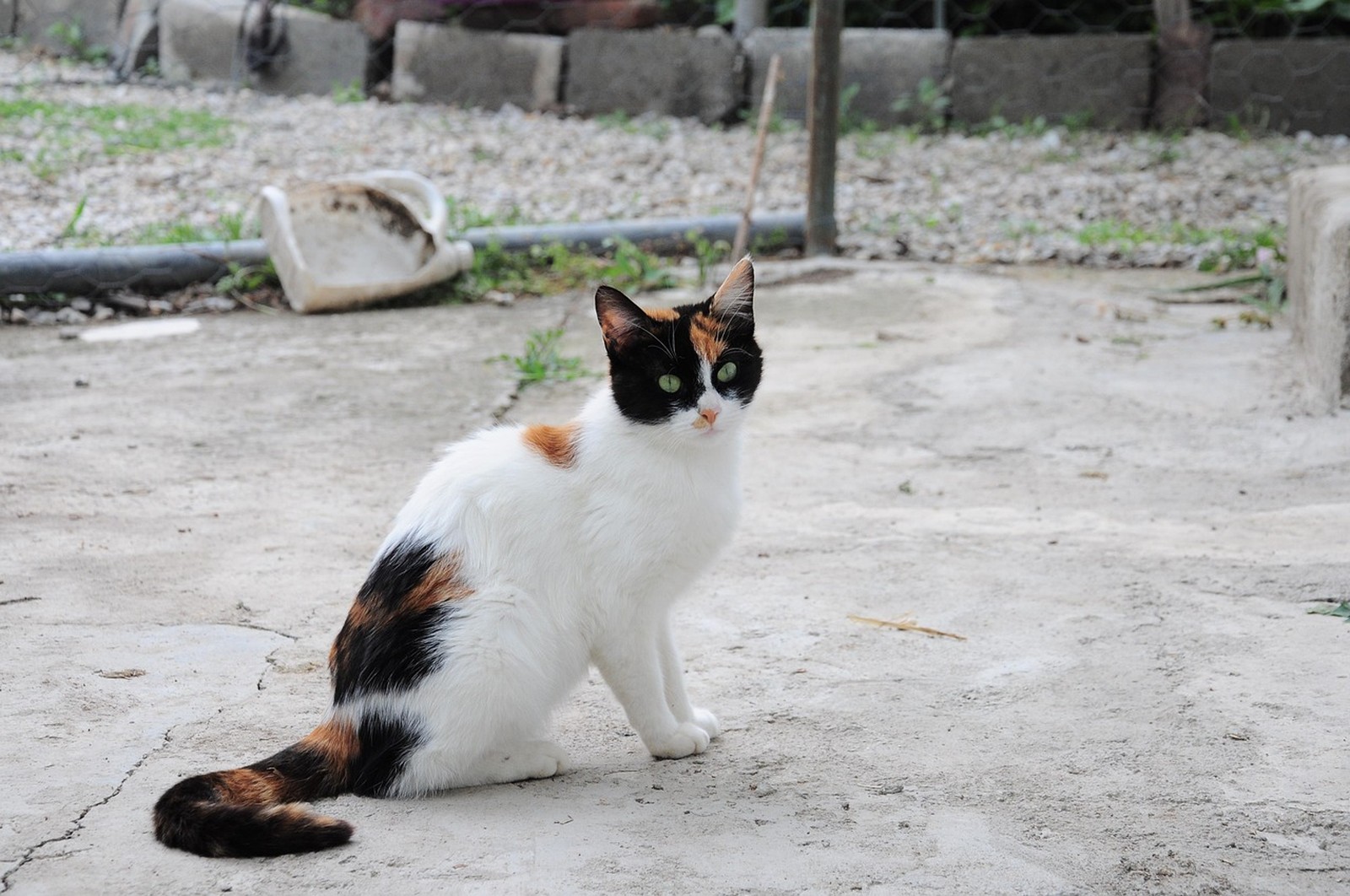
Keep a small, current set: a clear face-on portrait, full-body shots from both sides, a view from above, and close-ups of anything distinctive — markings, tail, ears, eyes, or a kink or scar. Photograph your cat in good light against a plain background, refresh the set whenever she grows, her coat alters with age or season, or a mark appears, and store the photos somewhere you can reach in seconds. If she ever goes missing, these pictures do the heavy lifting on posters, shelter checks, and alerts.
Why Photo Quality Decides Outcomes
When a cat is lost, identification often happens at a glance: a neighbor scanning a poster, a shelter worker comparing a found cat against a description, a stranger looking at a cat under a car. Blurry, dark, or heavily filtered photos slow all of that down. Worse, a typical photo roll is full of adorable but useless shots — sleeping bundles, extreme close-ups of noses, costumes. The photo that brings a cat home shows her exactly as a stranger would see her: standing or sitting, whole body visible, colors true. Ten minutes of deliberate photography now can save days of searching later.
The Five Shots to Take
- Face-on portrait: Eyes open, head up, showing eye color, nose, and facial markings.
- Left and right full body: Standing if possible; tabby patterns, patches, and leg markings are rarely symmetrical.
- From above: Back and tail pattern — the view people actually get of a cat hiding or walking away.
- Close-ups of identifiers: A notched ear, an unusual tail tip, a white paw, a shaved patch from recent treatment, her collar if she wears one.
- A size reference: One photo beside something familiar, like a chair or your own legs, so finders can judge whether a cat they have seen is a large adult or a small youngster.
Take them in daylight or bright indoor light without flash, which washes out coat color and turns eyes strange.
Keeping the Set Current
Kittens change weekly; a photo from two months ago may show a cat who no longer exists. Adult cats change more slowly, but coats lighten or thicken with season and age, weight shifts, and new marks appear after injuries or surgery. A simple rhythm works: refresh the set every six months, and immediately after any visible change — a vet shave, a new collar, noticeable weight loss or gain. Add the date to your own notes so you know which set is newest.
Where to Keep Them
Store the set in more than one place: your phone favorites, a cloud folder, and ideally attached to your cat's own profile rather than buried in a camera roll of thousands. In a panic, nobody searches well. Also share the best portrait with your emergency contact, so a second person can make posters or answer shelter calls if you are away when she goes missing.
How KinsLe Keeps Them Ready
On KinsLe, your cat's photos live on her profile alongside her details, ready the moment you need them. That matters because a Lost Pet Alert is free in every KinsLe profile: when you raise one, the alert shows on the map with a photo people can actually recognize, and a finder can message you directly. Pairing a strong photo set with a unique QR ID on her profile means identification works from both directions — people spotting her, and people scanning her tag. With her photo set current on her profile, KinsLe's Lost Pet Alert System displays her picture in the map view at no cost, opening a direct message route for anyone who finds her.