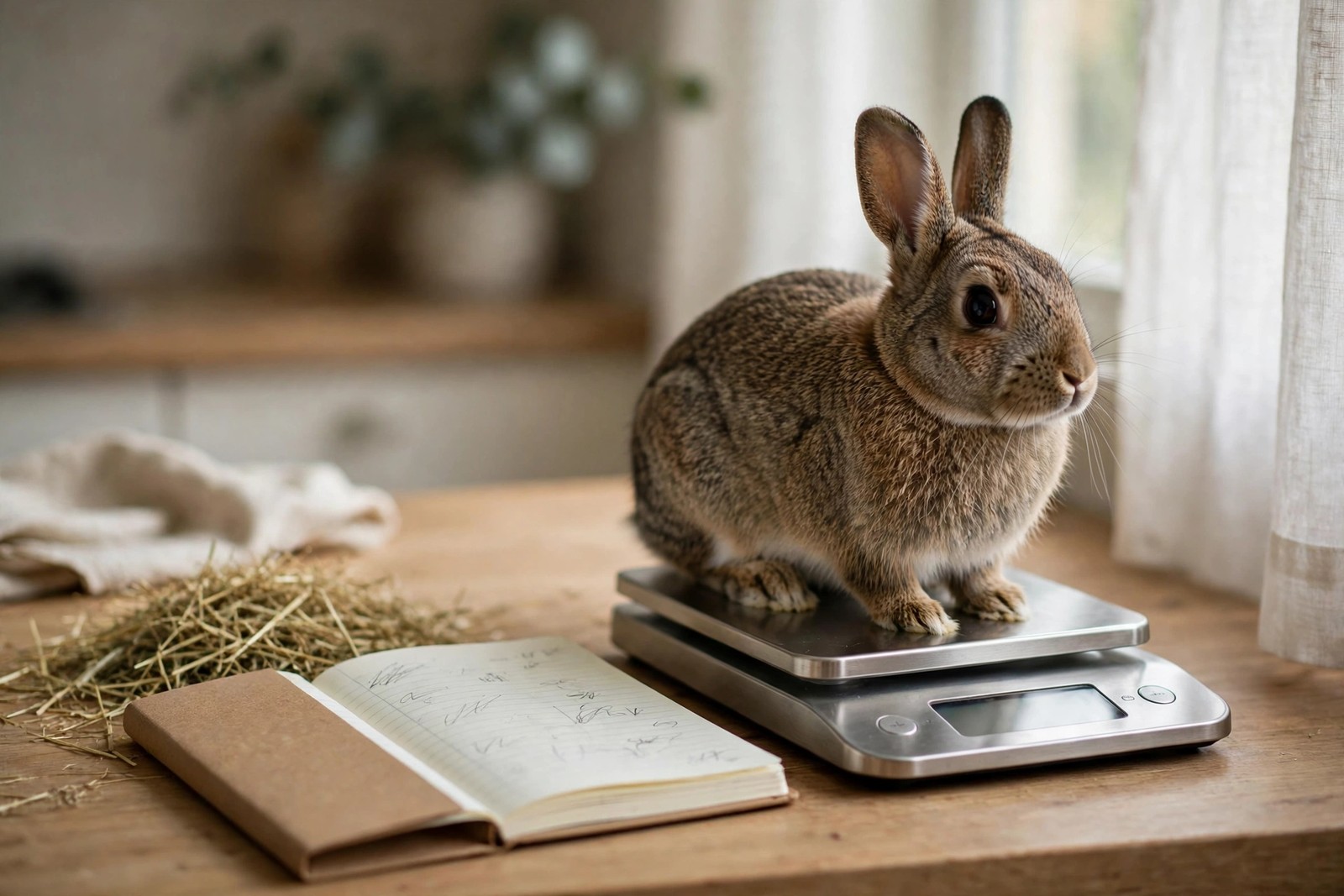
A first appointment for a rescue rabbit runs differently from a routine check, because the vet is building a medical history from almost nothing. Your job is not to fill the gaps with guesses. It is to hand over two clean piles of information: everything the rescue actually knows, labelled as such, and everything you have observed since the rabbit arrived, dated and specific.
Bring Whatever the Rescue Gave You
Take the adoption or intake paperwork itself, even when it looks thin. Useful items include where and when the rabbit was found or surrendered, the intake date, any estimated age and the basis for it, sex and whether neutering has been done or confirmed, and any treatment already given, such as parasite treatment, dental work, vaccinations where they apply in your region, or medication courses. If the rabbit was a stray, the rescue's notes on its condition at intake, weight on arrival, matted fur, long nails, sore hocks, or wounds, give the vet a starting picture and a comparison point for how much has already improved. If nothing exists, say so at the desk: a history recorded as unknown is clinically useful, while a reconstructed one can send examinations in the wrong direction.
Your Observations Since Rescue Are the Real Record
From the day the rabbit comes home, keep a short dated log covering the systems a rabbit vet thinks about first. Diet: which hay the rabbit eats and how much, the exact greens and pellets offered and in what amounts, and whether eating is enthusiastic or selective. Droppings: quantity across the day, size and consistency, whether the round dry pellets look plentiful and uniform, and whether the softer cecotropes are being eaten normally or left and trodden in, which can signal diet or mobility problems. Weight: weigh weekly on kitchen scales, in grams, and record the trend, because slow loss is invisible by eye under fur. Behaviour and movement: appetite at key times, activity, grooming, how the rabbit hops and whether it can reach to groom everywhere, litter box use, and anything unusual such as head tilt, tooth grinding, wet fur under the chin, or reduced droppings, each noted with the date you first saw it. Photographs and short videos help more than owners expect: droppings next to a coin for scale, the rabbit eating hay, its gait across the room, and its housing setup all show the vet things a stressed rabbit will not demonstrate on an examination table.
What Not to Do
Do not backfill. If you do not know the rabbit's age, previous diet, or whether it lived indoors, write unknown rather than estimating at the appointment, and do not stop or start foods, supplements, or leftover medications from another pet in order to tidy the story. Bring any previous medication packaging if the rescue passed some on, but tell the vet plainly if doses were missed or stopped.
How the Vet Uses It
With your log, the vet can prioritise: a full dental check, gut sounds and body condition scoring, parasite screening, and decisions about blood work or imaging based on findings rather than guesswork, followed by a baseline weight and condition record to measure future visits against.
Entering the rescue paperwork and your observation log into KinsLe Pet Passport from the first week gives this rabbit the continuous record it never had, ready for every vet, sitter, and boarder from now on.