
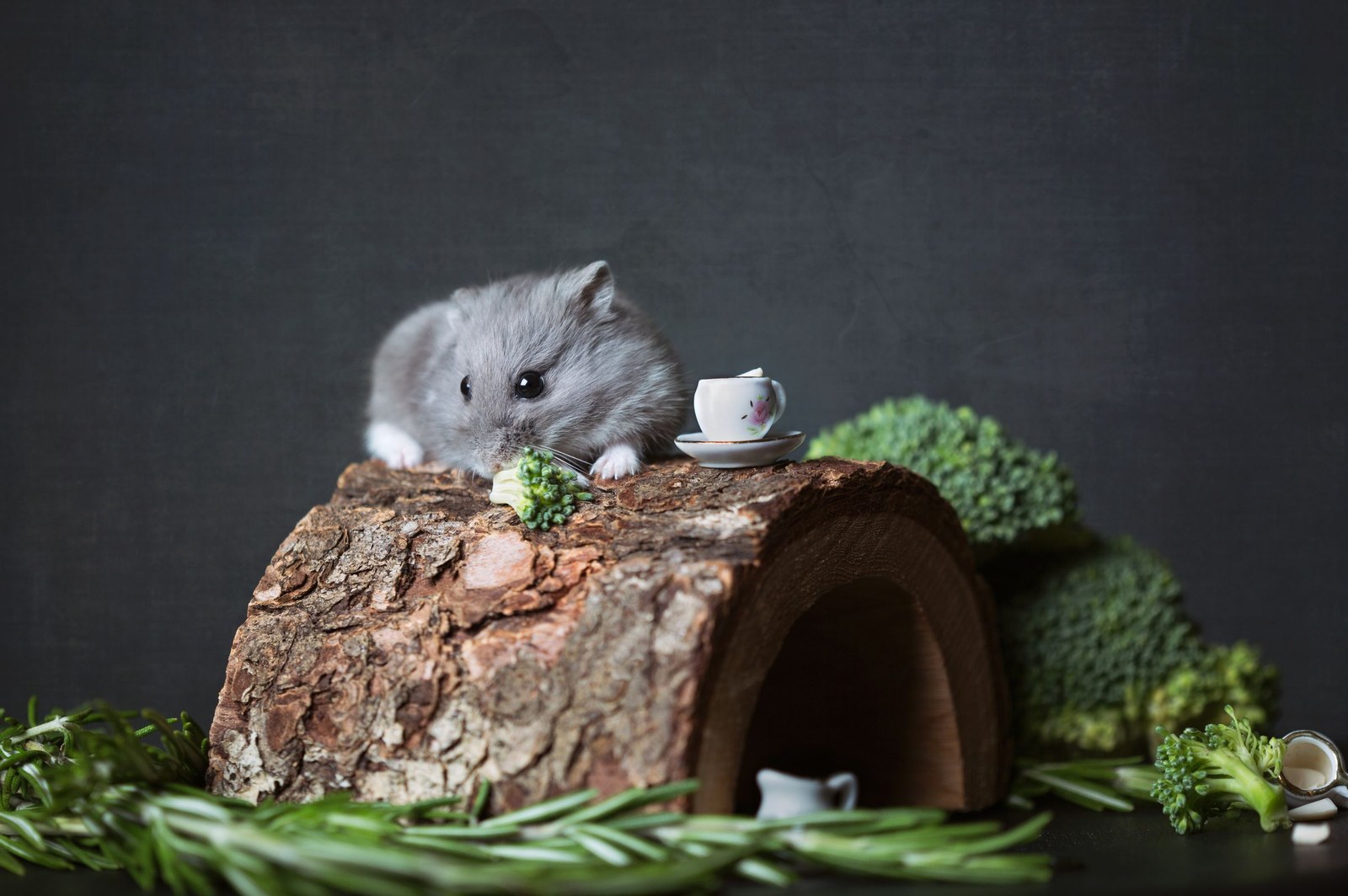
The main part of a hamster's diet should be a good-quality, hamster-specific pellet or balanced seed mix, measured out daily rather than poured freely. That formulated base covers the protein, fiber, and micronutrients a hamster needs — everything else, from vegetables to mealworms, is a supplement to it, not a substitute for it.
Why the Base Food Does the Heavy Lifting
Hamsters are omnivorous foragers with fast metabolisms and specific nutritional needs that kitchen scraps cannot reliably meet. A quality hamster food is formulated to deliver the right protein level for growth and maintenance, enough fiber for healthy digestion, and the vitamins and minerals a tiny body cannot store for long. Pelleted diets have one big benefit: every piece is nutritionally identical, so a fussy hamster cannot unbalance the diet by eating only the tasty bits.
Seed mixes are closer to natural foraging and many hamsters relish them, but they come with a well-known trap, covered below. Either base can work well when it is genuinely made for hamsters — foods marketed for other species are not interchangeable.
The Selective Feeding Problem
Given a seed mix, most hamsters will excavate the fatty sunflower seeds and peanuts first and leave the nutritious pellets and grains behind, like a child eating only the marshmallows from a cereal box. Over weeks, that selective feeding quietly produces a hamster who is overfed on fat and underfed on everything else.
The fix is simple discipline: measure the daily portion, and do not refill the bowl until most of it — including the boring bits — has been eaten. Scatter feeding part of the ration through the bedding also slows the picking, because a hamster who has to forage piece by piece eats more of the variety.
Fresh Foods and Protein Treats, in Their Place
Small amounts of fresh food round out the base diet nicely:
- Tiny pieces of carrot, broccoli, cucumber, or leafy greens
- An occasional blueberry or small slice of apple, seeds removed
- A mealworm, a bit of plain cooked egg, or another small protein treat once or twice a week
- Safe herbs such as parsley or dandelion leaves from a pesticide-free source
Introduce new foods one at a time and in small quantities, and remove uneaten fresh food within a day. Hamsters hoard, and a forgotten stash of wilted vegetables hidden in the bedding is a common — and smelly — discovery.
Foods to Keep Away From Hamsters
Avoid citrus fruits, onion, garlic, raw kidney beans, and anything sugary, salty, or seasoned for humans. Chocolate is dangerous for hamsters as it is for many pets. Sticky foods can also cause problems by packing into cheek pouches. When in doubt about a food, leave it out and check with a veterinarian — the base diet keeps your hamster covered in the meantime.
Stop Double-Feeding With a Shared KinsLe Profile
In a family home, the fullest bowl often belongs to the hamster everyone loves feeding twice. Keeping portion notes in your hamster's KinsLe profile — how much base food, what fresh extras they have already had today — means every family member can check before topping up, right alongside the profile's unique QR ID. Verified QR ID Pet Profiles also protect a hamster away from home: whoever discovers your hamster after an escape can scan the code, land on the profile page inside KinsLe, and message you from the details listed for that pet.