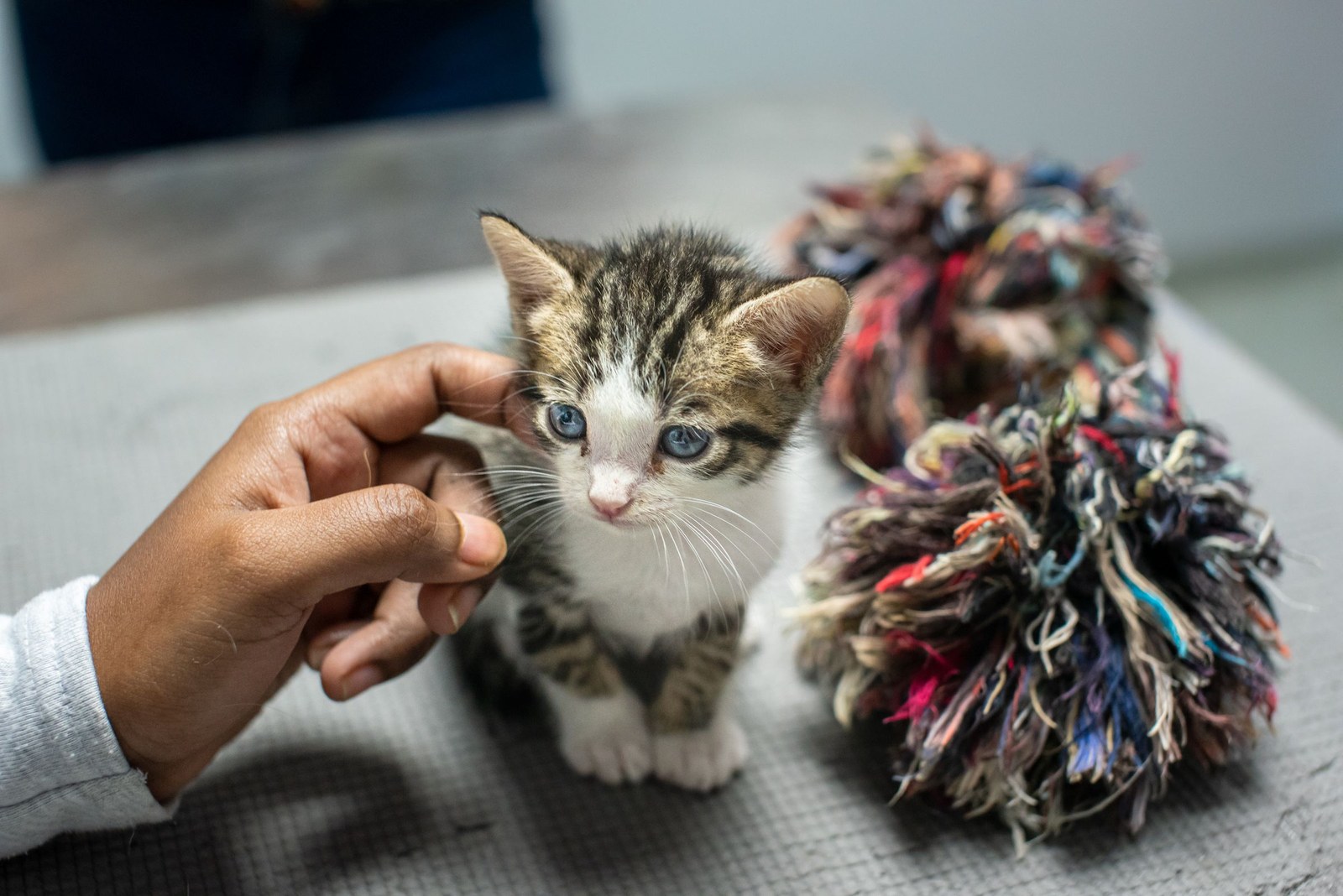
Ask the shelter about the cat's health history, temperament, litter habits, whether they are spayed or neutered, how they do with children, dogs, and other cats, and what food they are currently eating. Those six areas tell you almost everything you need to plan a smooth first month — and good shelters welcome the questions, because a well-matched adoption is the one that lasts.
Health History: Get the Full Picture
Ask what veterinary care the cat has already had: vaccinations and their dates, deworming, flea prevention, and whether they have been tested for common infectious diseases. Ask about any known conditions, past injuries, dental issues, and any medication the cat is currently taking. If the cat came in as a stray, some history will simply be unknown — that is normal, but ask what the shelter's own vet check found during their stay.
Also ask whether they are spayed or neutered, and if not, whether the adoption fee covers the procedure or whether you will schedule it with your own vet. Get the answers on paper or by email before you leave; you will need those dates again at your first vet visit.
Temperament and Handling
Ask the staff and volunteers who handle the cat daily: Is she shy at first and warm later, or instantly social? Does he enjoy being picked up, or prefer affection on the ground? Any sensitivity about being touched in certain places? How does she react to noise, visitors, and being put in a carrier?
Shelter behavior is a clue, not a verdict — a cat who hides in a noisy kennel may blossom at home — but patterns the staff have watched over days or weeks are far more informative than your twenty minutes in a meet-and-greet room.
Home-Life Fit Questions
- Litter habits: reliably using the box? Any accidents, and under what circumstances?
- Other animals: lived with or been tested around dogs or other cats? Any known conflicts?
- Children: observed around kids, and at what ages?
- Energy and routine: playful or couch-oriented? Night-active? On a feeding schedule?
- Why was she surrendered? If it was an owner surrender, the reason — moving, allergies, a behavior issue — is useful, honest information, not a red flag by itself.
Food and Transition Details
Ask exactly what food the cat is eating, brand and flavor, how much and how often, and take a few days' supply home if they offer it. abrupt food switches cause stomach upsets that can look like adjustment problems. Ask too about favorite treats, toys, and anything that comforts the cat — a familiar-smelling blanket from their kennel can ease the first nights noticeably.
Finally, ask about the shelter's return and support policy. Reputable shelters would rather take a cat back than see a mismatch forced, and many offer post-adoption advice lines. Knowing the policy is not planning to fail; it is part of adopting responsibly.
Bringing the Records Home With the Cat
Here is where KinsLe removes a classic adoption headache: Transferrable Profiles let a shelter or previous owner move a cat's profile and records over to you, so vaccination dates, notes, and history travel with the cat instead of being retyped from a paper handout or lost entirely. The profile your cat already has simply becomes yours. When the shelter hands your new cat over, the history that staff gathered — vaccine dates, temperament notes, and the food the cat eats now — can travel to you through the Transferrable Profiles handover on KinsLe instead of starting again from a blank page.