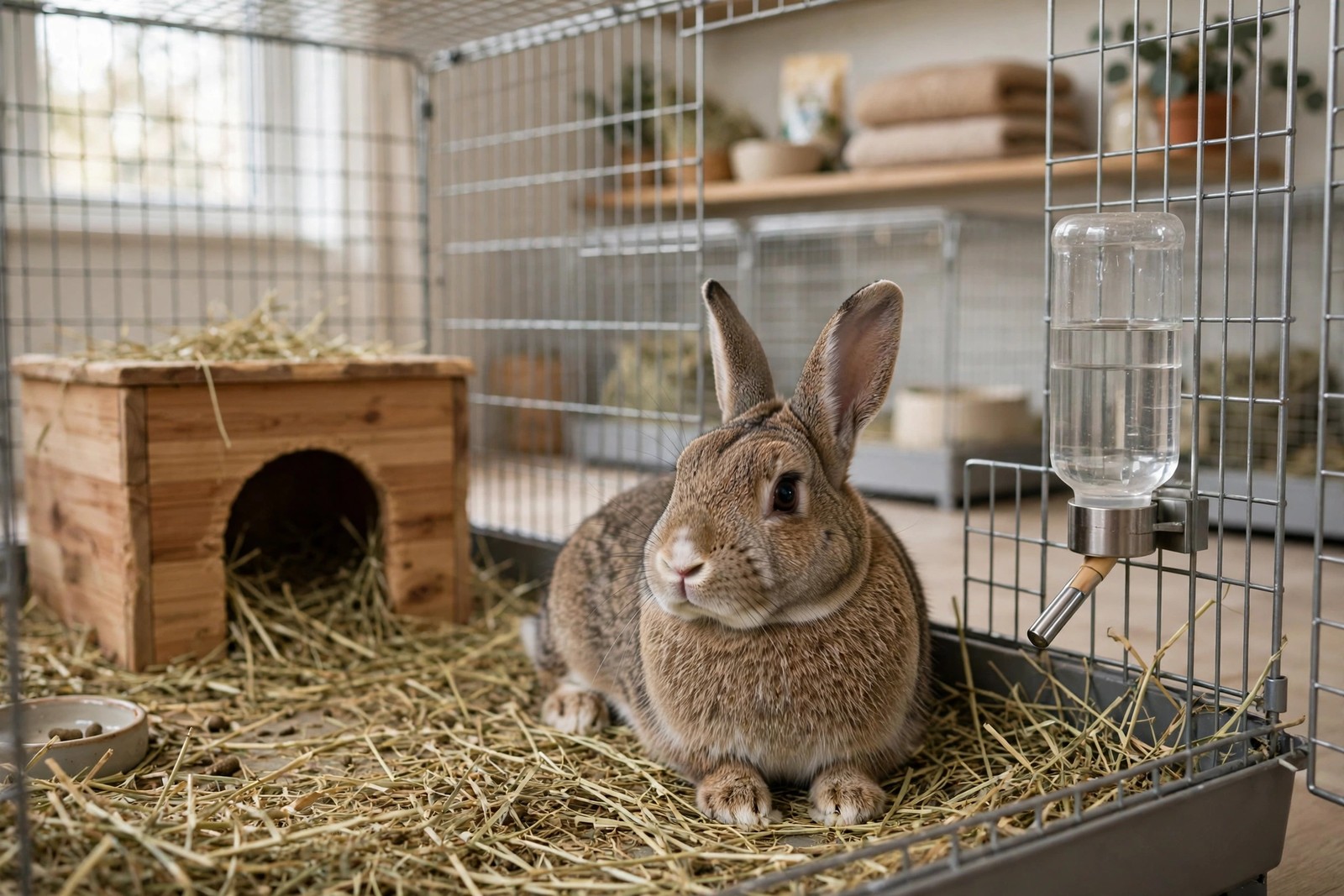
Small pets fail silently in boarding that was designed for dogs and cats. A rabbit that stops eating, a hamster housed within smell of a predator species, a ferret fed a stranger's food — each problem starts with a question nobody asked at booking. The questions below work for rabbits, guinea pigs, hamsters, rats, ferrets, and their kin; ask them before you pay, visit the premises if the service allows it, and let evasive answers decide for you.
Experience and Housing Come First
Ask who will actually care for your pet and what hands-on experience that person has with the species — feeding a rabbit is not like feeding a guinea pig, and neither resembles keeping a nocturnal hamster content. Ask where your pet will live during the stay: indoors or out, the enclosure's size and floor, and how far it sits from dogs and cats in sight, sound, and smell, because a week beside a barking kennel undoes a calm animal. Ask whether bonded companions stay together, whether nocturnal and daytime species are separated so each can sleep, and whether you can bring your own enclosure, hide, wheel, or bedding that already smells of home. Security deserves a direct question too: lids, latches, and doors are what stand between a determined ferret or rat and a lost-pet story.
Food, Cleaning, and Daily Monitoring
Ask whether your own food will be fed in your amounts, whether hay is unlimited where the species needs it, what fresh food is offered, and whether treats are given only with your permission — sudden diet changes are a leading cause of gut trouble in small herbivores. Ask how often enclosures are spot-cleaned and fully changed, how water is supplied and checked, and what room temperature is kept through hot and cold spells. Then ask how staff monitor each animal daily: eating, drinking, droppings, and activity are the vital signs of creatures that hide illness, and a good service records them rather than glancing in. Ask, too, what health records or preventive-care history the service requires for your species, so you can assemble exactly what it needs before drop-off.
The Emergency Plan and the Updates
Ask which veterinarian the service uses, whether that practice treats your species or would refer onward to an exotics vet, how quickly an animal travels there, and who can authorise emergency treatment in your absence. Leave written consent, your own vet's details, and a reachable number, and ask how you will be contacted on the day, not at collection. Ask also about sick-animal separation, what happens if your return is delayed, and whether daily photo or message updates are part of the price. Shortlist services, compare their answers side by side, and KinsLe's Pet Services Directory gives you the nearby small-pet boarding options to work through with exactly these questions in hand.