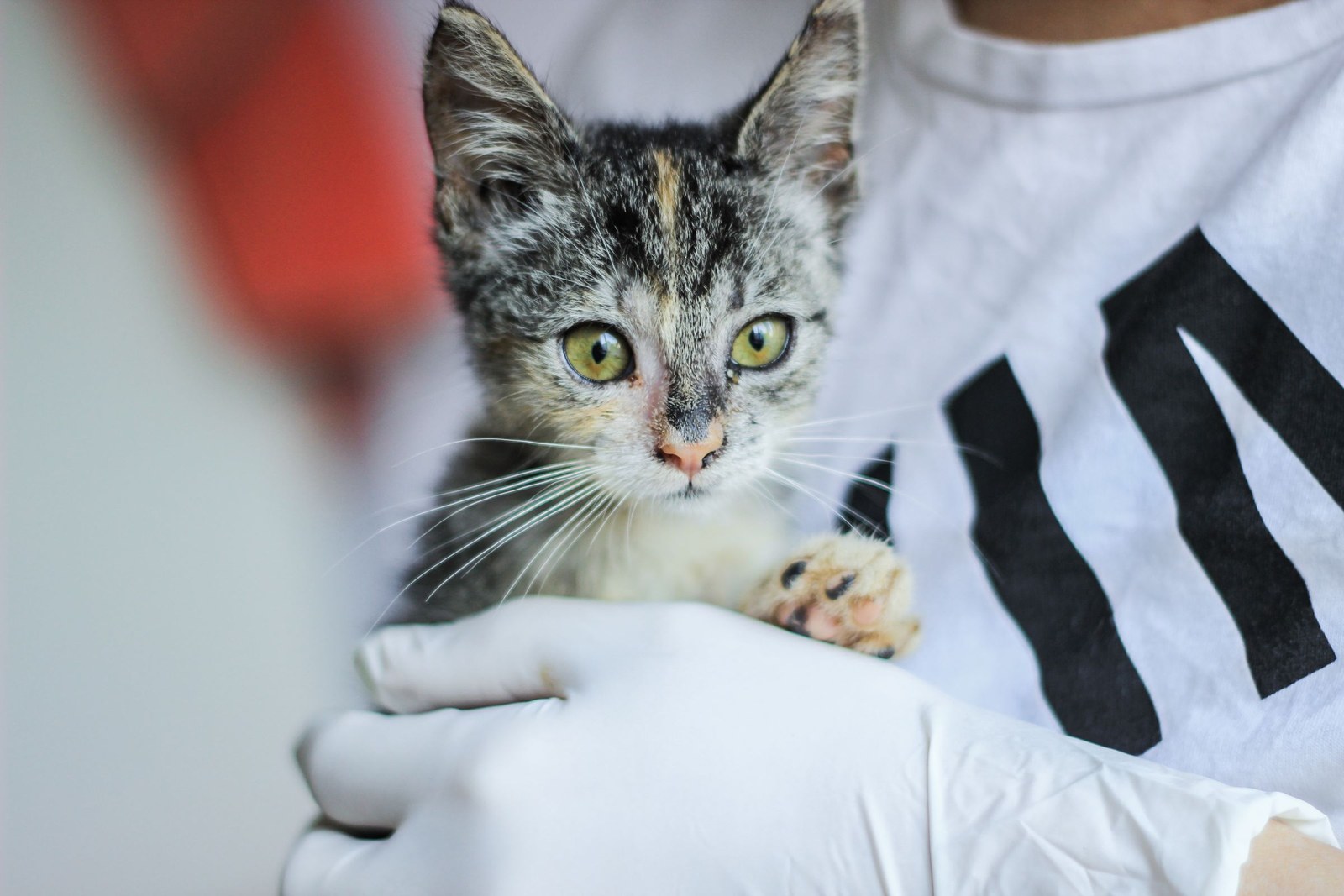
Bring any paperwork from the breeder, rescue, or previous vet, a list of the food your kitten is eating, and — if you can manage it — a fresh stool sample in a sealed container, along with a secure, cosy carrier lined with a familiar blanket. Those four things let the vet give your kitten a thorough first check without guesswork and make the visit far less stressful for both of you.
Why the First Visit Matters So Much
A kitten's first appointment is a baseline for everything that follows. The vet will weigh her, listen to her heart and lungs, check her eyes, ears, teeth, coat, and tummy, and look for signs of parasites or congenital issues. Kittens change fast in the first months, so what is normal at eight weeks looks different at twelve. Accurate starting records — birth date if known, where she came from, what she has already received — help the vet time vaccines and deworming correctly rather than repeating or missing doses.
If your kitten came from a rescue, bring the full adoption packet, including any vaccine dates and microchip paperwork. From a breeder, bring the health guarantee, feeding notes, and any registration or vet letter provided.
Your Kitten Visit Kit, Item by Item
Pack the night before so the morning stays calm:
- All paperwork in one folder or clear envelope
- A small sample of her current food, or a photo of the bag and label
- A fresh stool sample collected that morning, if possible
- A list of questions — litter training, scratching, night crying, introducing her to other pets
- A small blanket that smells like her sleeping spot for the carrier
Do not switch foods right before the visit just to impress the vet. Feeding consistency matters more, and the vet would rather hear honestly that she eats a supermarket kitten kibble than guess from a last-minute change.
Note how much she eats and drinks, how her stools look, and whether she is playful, sleepy, sneezing, or scratching. Small details you almost forget — a watery eye on Tuesday, a softer stool after a new treat — are exactly what helps a vet spot patterns early.
In the Exam Room
Let the vet team handle your kitten on the table while you stay where she can see and hear you. Ask what vaccine schedule they recommend, when to discuss spaying, how to start gentle handling for teeth, ears, and paws at home, and what feeding amounts suit her weight. Ask also what symptoms should prompt a call between visits — for a tiny kitten, not eating, repeated vomiting, or extreme lethargy should never wait.
Take notes on your phone during the visit or ask for a printed summary. You will be given a lot of dates at once, and it is easy to mix up a booster due in three weeks with one due in three months once you get home.
Safety Notes for Tiny Passengers
Always transport a kitten in a secure carrier, never loose or in an open box she can climb from. Keep the car warm but not hot, drive smoothly, and keep handling by children to a minimum until you are in the closed exam room. Wash your hands before handling a very young kitten after touching other animals in the waiting area, and keep her in the carrier there — waiting-room floors and curious dogs are not for unvaccinated kittens.
Starting Records Right From Day One
The papers from this visit are the start of a record you will use for years — for boarding, grooming, travel, and future vets if you move. KinsLe's Pet Passport keeps those first records organised from day one, holding vaccines, medications, allergies, and documents in one packet you can share with vets and sitters instead of hunting through folders. It grows with her, visit by visit.
Getting the basics in one bag the night before turns a nervous first outing into a clean, useful start. Her Pet Passport on KinsLe carries vaccine dates, weight notes, and deworming entries forward, so any clinic she sees later starts with facts instead of guesses.