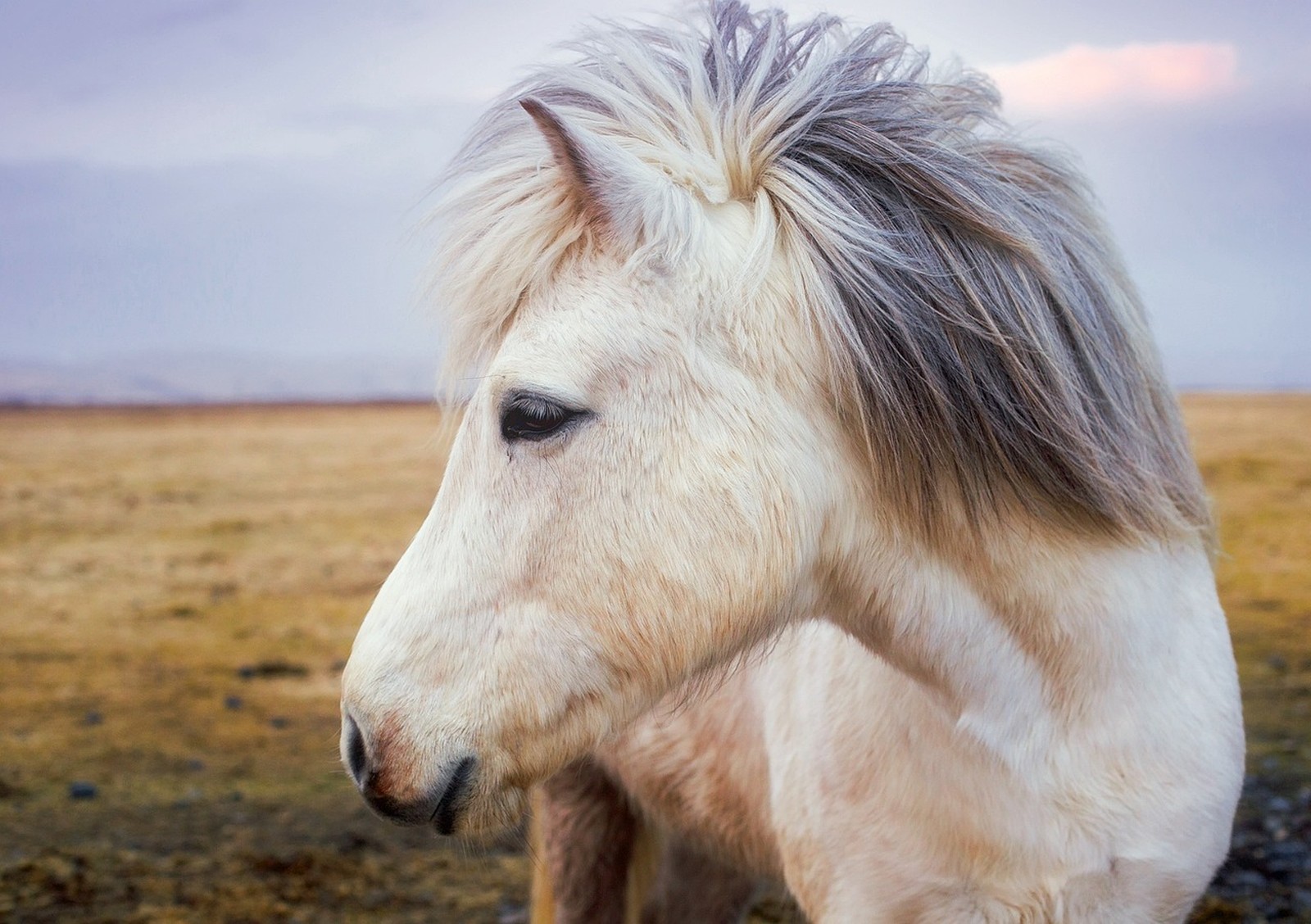
A pony's passport is the one document that is supposed to follow that animal for life, which makes it the first thing to verify in a purchase — and the verification only means anything if you check the document against the pony rather than accepting that a passport exists. A genuine passport for a different pony, a vaccination record with a quiet gap, or an ownership section that never reached the seller are all findable in ten careful minutes, and all far cheaper to find before money moves than after.
Match the Passport to the Pony in Front of You
Start with the identity and description pages. The name, breed or type, colour, sex and year of birth should describe the pony you are looking at, and the silhouette diagram should carry the markings and whorls recorded for this animal: check the white markings leg by leg against the diagram, and look for the whorls marked on the neck and body, because those details were recorded to identify this individual. Then the microchip number in the passport must be read off the pony — ask for a scanner to be run over the neck so the number on the screen is the number on the page. A passport whose description is vague, whose markings do not match, or whose chip number cannot be produced from the pony is not a detail to overlook: the document's link to this animal is unproven, and the purchase should wait until it is proven.
Read the Vaccination Pages Line by Line
Turn to the vaccination pages and read them as a sequence, not a summary. Influenza and tetanus entries should run in an unbroken line: a primary course followed by boosters at the intervals the recorded dates show, each entry carrying the vaccine details, the date, and the signature and stamp of the veterinary practice that gave it. Look for entries in date order with consistent practice stamps, and for the red flags: dates overwritten or corrected, a long unexplained gap followed by a single recent entry, pages that look newer than the rest of the book, or boosters recorded without a vet's stamp. A lapsed record is not automatically a reason to walk away, because your own vet can advise on restarting a course, but it changes the pony's readiness for shows, camps and yards that require up-to-date cover, and it should change the terms you agree.
The Ownership Section and the Seller
The ownership pages should tell a continuous story that ends with the person selling the pony to you. The current keeper or owner recorded should be the seller, or the seller should be able to show how the pony legitimately reached them, with earlier transfers filled in rather than blank. If a dealer is selling on behalf of an owner, that arrangement should be clear and the paperwork consistent with it. Also check the practical pages buyers forget: any pages recording that the pony has been signed out of the human food chain, breed or registration pages if the pony is sold as registered, and any endorsements or notes. Read the whole book, not only the pages you were shown — the page nobody opened is often the page that matters.
Red Flags That Pause a Purchase
Pause, and take advice from your own vet or an adviser, if the passport is 'at home somewhere' while the pony is being sold, if the seller resists scanning the chip, if the description plainly fits a different animal, or if the vaccination pages have gaps the seller waves away. Agree in writing how any problem will be resolved — a lapsed course restarted, a transfer completed — before the pony is collected, and once the sale completes, have the passport transferred into your name promptly and copy the key pages. KinsLe's Pet Passport keeps that portable copy of the identity details, chip number and vaccination record with your pony's profile, so the verification you did at purchase stays at hand for vets, yards and future sales.