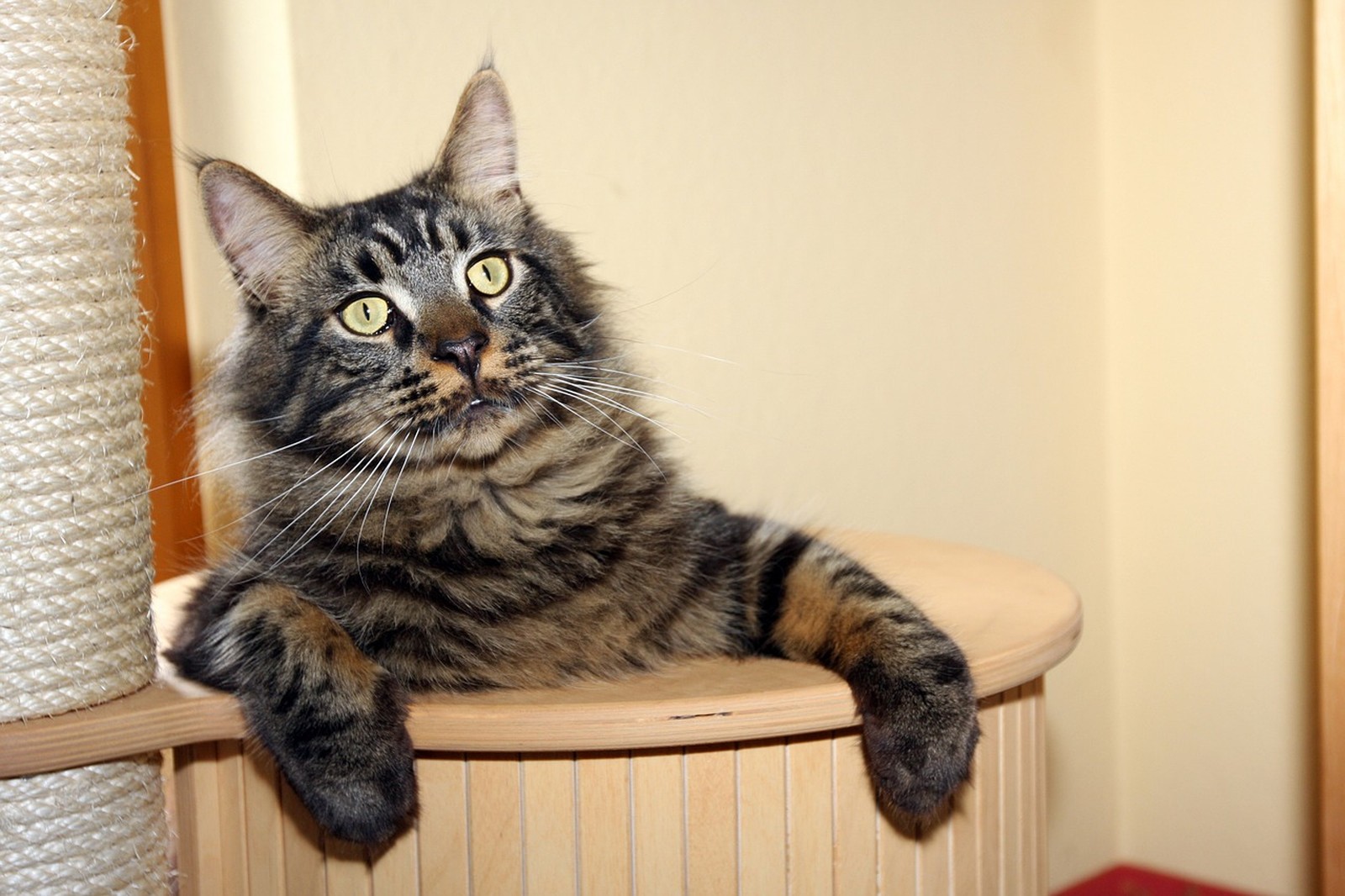
A day without food means something different in a cat than in a dog, and the clock runs faster. A healthy adult who skips food for a day over a mild upset or a stressor often restarts on her own, but a cat who has eaten nothing at all for 24 hours should prompt a call to your vet — and kittens, elderly cats, diabetics, and overweight cats should not wait that long. The reason is a cat-specific risk: overweight cats in particular can develop hepatic lipidosis (a serious liver condition) after only a few days without food, so 'wait and see' has a much shorter window in cats.
Sensible Steps While You Arrange Advice
Check the simple things: is the food fresh, has anything changed (new food, new home, visitors, building work), is your cat drinking, using the litter tray, and behaving normally otherwise? Offer something tempting and smelly — slightly warmed wet food, or plain cooked chicken — in a quiet spot, and note exactly what is taken. Do not syringe-feed or force food into a cat who is refusing, and do not offer human medicines. If appetite loss comes with vomiting, diarrhoea, lethargy, hiding, drooling, or increased thirst, that combination moves the call to today regardless of the clock.
Working With Your Vet on a Missed Day
When you call, expect the questions this article has had you check: when she last ate a normal meal, whether she is drinking, what the litter tray shows, and whether anything at home has changed. Answer from notes rather than impressions — 'nothing since yesterday morning, two sips of water, one small stool' gives the vet something to work with. A veterinarian makes any diagnosis after examining her; what you supply is the timeline. Be ready for the possibility that a cat who looks merely off her food needs blood work, because appetite loss is an early sign shared by many conditions and the examination is how they are separated.
Call your vet at the 24-hour mark at the latest — immediately for kittens, seniors, overweight cats, and any cat with other symptoms. Appetite is the earliest reporting system a cat has; a vet would rather investigate a cat who starts eating again in the waiting room than one who arrives on day four.
The Appetite Record Worth Keeping
For an off-food episode, a short written record beats a worried summary: the last full meal, each offering since and what was taken, water drunk, litter tray visits, and any vomiting or hiding, each with its day and rough time. Kept over even two or three days, that sequence shows whether she is turning a corner or sliding, and it survives the stress of the appointment, when times blur. After she is eating again, keep the note with her other health records so the next episode starts from evidence about how this one unfolded.
Bring that appetite record with her other history in her KinsLe Pet Passport — records, dates, notes and vet visits held together as one portable packet — so the consultation continues from evidence, not guesswork.