
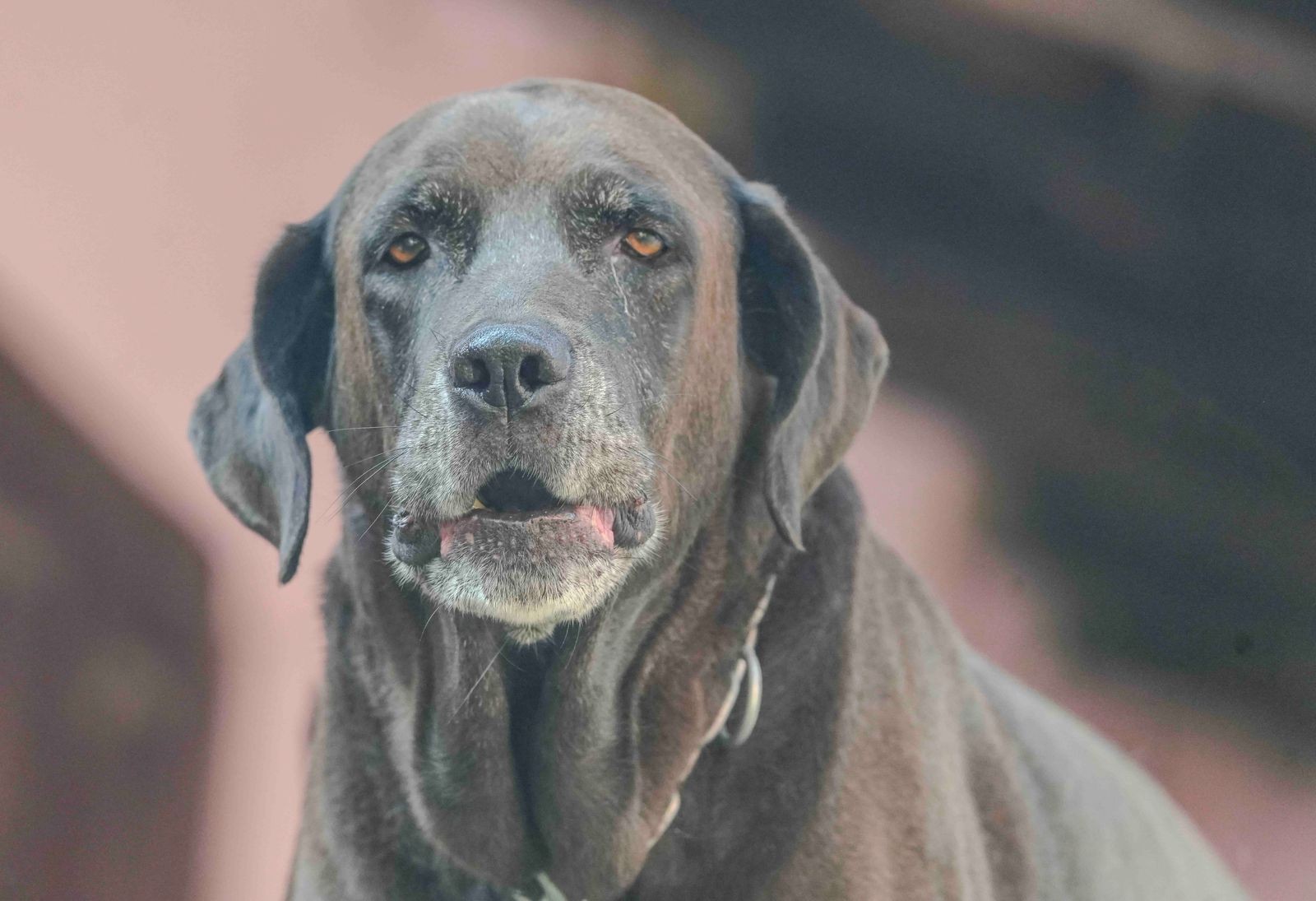
For a senior dog, look for a complete and balanced senior formula with quality, highly digestible protein to help maintain muscle, moderate calories for a slower metabolism, and ingredients that support joints, digestion, and a healthy coat. The label should show a named animal protein near the top, a clear feeding guide, and a statement that the food meets recognized nutritional standards for adult maintenance.
Why senior dogs need a different balance
Aging dogs lose muscle more easily than they lose fat, so cutting protein too far can actually make an older dog weaker. Good senior foods keep protein generous while trimming excess fat and calories, because a dog who naps more and walks a little slower burns less energy than he did at three. Many also add fiber to help digestion stay regular, plus omega fatty acids for skin and coat, and ingredients such as glucosamine that are commonly included to support aging joints.
Size and breed matter here. A twelve-year-old Chihuahua may still be bright and lean, while a nine-year-old Great Dane is deep into old age and may need far more joint and calorie attention. There is no single perfect formula for every gray muzzle.
Reading the label without a headache
Start with these checks:
- A named protein first, such as chicken, salmon, or lamb, rather than a vague meat meal.
- A complete and balanced statement for adult dogs, so you know it is not a treat or topper.
- Moderate fat and clear calorie information per cup, so portions are easy to adjust.
- No long list of artificial colors or sugary fillers your dog does not need.
Then look at your dog, not just the bag. Ribs should be felt easily under a thin layer of fat, his waist should still be visible from above, and his stools should stay firm and regular on the new food.
When a standard senior food is not the right answer
Some older dogs should not simply switch to an off-the-shelf senior recipe. Kidney concerns, heart conditions, pancreatitis history, diabetes, food allergies, and serious dental problems can all change what belongs in the bowl. In those cases your veterinarian may recommend a specific therapeutic diet instead, and that advice should win over attractive packaging.
Introduce any new food gradually over about a week, mixing increasing amounts of the new food with decreasing amounts of the old. A sudden swap is a common cause of loose stools and a dog who then refuses the new food altogether. If appetite, weight, thirst, or energy changes noticeably, mention it promptly rather than waiting for the next routine visit.
Keeping the feeding plan with his records in KinsLe
Once you and your vet settle on a food, write it down where everyone who feeds him can find it. KinsLe's Pet Passport is the records packet for vaccines, medications, allergies, and documents, and it is a natural home for his current diet, portion size, and any vet feeding guidance too. That way a sitter, family member, or new vet sees the same plan instead of guessing, and the packet can be shared when he needs care away from home.
Pet Passport on KinsLe turns the new feeding plan into a checkable record: the senior formula chosen, the portion served at each meal, and the latest weight and vet readings sit together, so drift shows up at the next visit instead of hiding in memory.