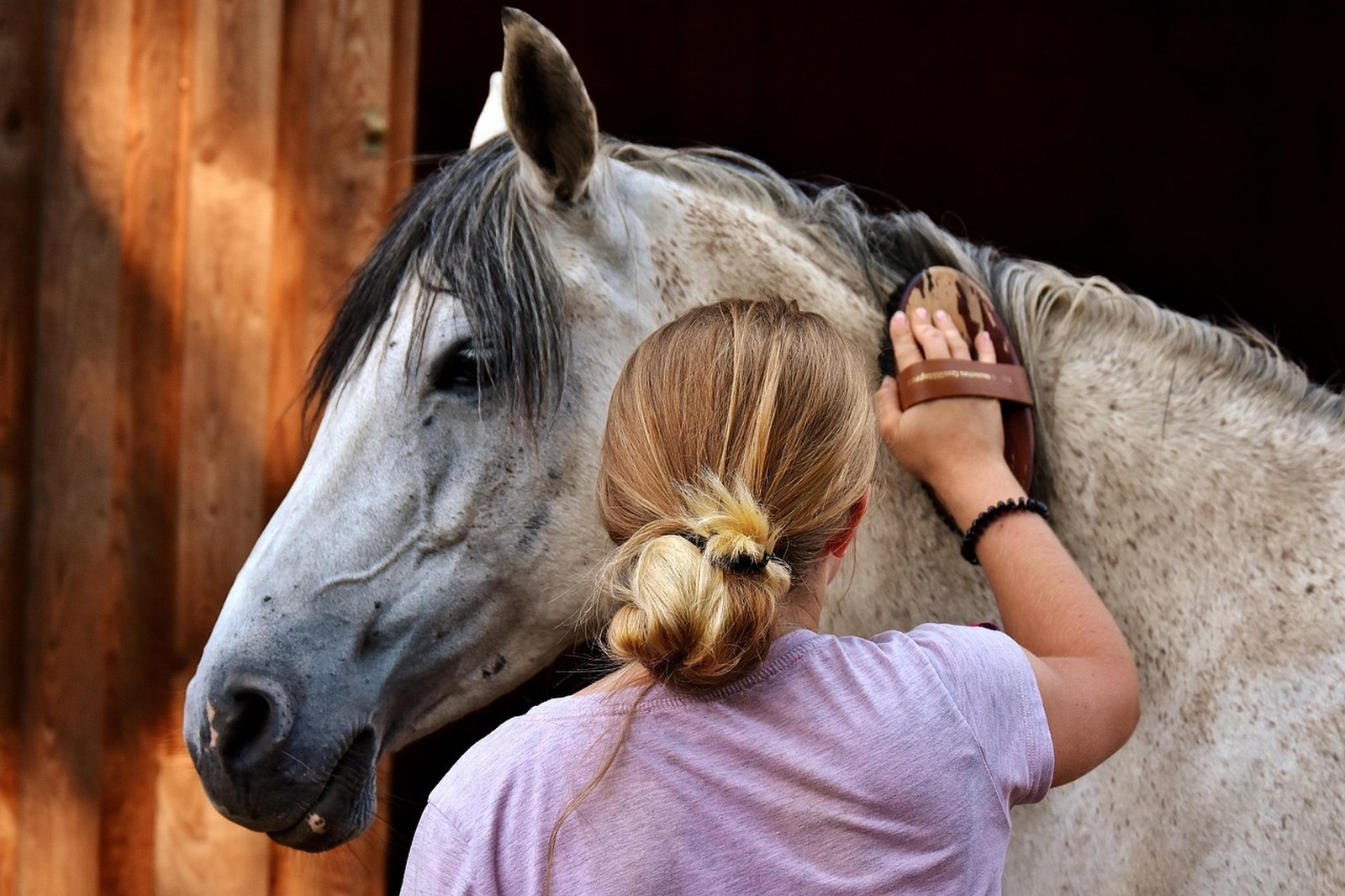
The classic first-horse mistake is buying the horse for the rider you intend to become: young, sharp and full of potential, and far too much horse for the rider who actually arrives at the yard each day. A first horse's job is to teach — to be forgiving of unbalanced seats, late aids and nervous hands while you build skill and confidence. That job description points at a particular kind of horse — and a vetting you arrange yourself rather than one you are handed.
Match the Horse to the Rider You Are Now
Look for experience you can borrow: a horse who has done the things you want to do — hacking out, schooling quietly, travelling, attending small events — and does them calmly. Age is part of that match, since a seasoned horse in its teens has usually seen the sights that unsettle a five-year-old, and for a first horse, proven temperament outweighs untried potential. Be honest with the seller about your riding level, what you want to do, and where the horse will live, and listen if a good seller says the horse is not for you. Try the horse more than once, on different days if you can, because the horse who is quiet on a drowsy afternoon may be different on a windy morning, and consistency across visits is the temperament test.
Temperament in Hand and Under Saddle
Handle the horse yourself from the start: catch it in the field, lead it, tie it up, groom it all over, and pick up all four feet. A first horse should stand for all of this without fuss, because you will do it daily, alone, in winter. Watch how it behaves around other horses, dogs, yard machinery and traffic if you can see it, and ask plainly about habits and vices — weaving or box-walking, behaviour when clipped, shod or loaded — and get the answers during the sale conversation, not afterwards. Under saddle, ride in the arena and out on a hack, in walk, trot and canter, and notice the brakes and the steering rather than the outline: a first horse should slow when asked, stand when asked, and recover quickly from a spook instead of escalating. If you feel over-horsed at any point, believe the feeling; it is data, not weakness.
Soundness and the Pre-Purchase Vetting
Have the horse vetted before purchase by a vet of your own choosing — one who does not already care for the horse. A vetting typically covers the heart, eyes, wind and soundness, including trotting up and flexion, and gives you a professional picture of what this horse can comfortably do. A first horse need not be perfect on paper; many schoolmasters carry old issues that a vetting explains and prices, and what matters is that you know what you are taking on and what it will need. Also watch the horse move freely in the field or on the lunge, check its feet and shoeing condition, and ask when it was last shod, wormed, vaccinated and had its teeth checked.
History, Trial and the Real Costs
Ask for the horse's history in writing: previous homes, workload, any injuries, illnesses or laminitis, current feed and routine, and any quirks in handling. A short trial period, if the seller agrees to one, teaches more than any viewing, but agree its terms — who insures, who feeds, what happens if the horse is injured — in writing first. Finally, cost the ownership before you cost the horse: livery or field rent, forage and feed, farrier on a regular cycle, vet care, insurance, tack and rugs. Buying is the cheapest day of horse ownership, and a first horse chosen within a budget that covers its keep is a horse whose owner can relax and learn. KinsLe's Transferrable Profiles supports that handover directly: the seller can transfer the horse's profile to you with its history, records, vaccination and routine notes intact, so your first horse arrives with a documented past rather than a verbal one.