
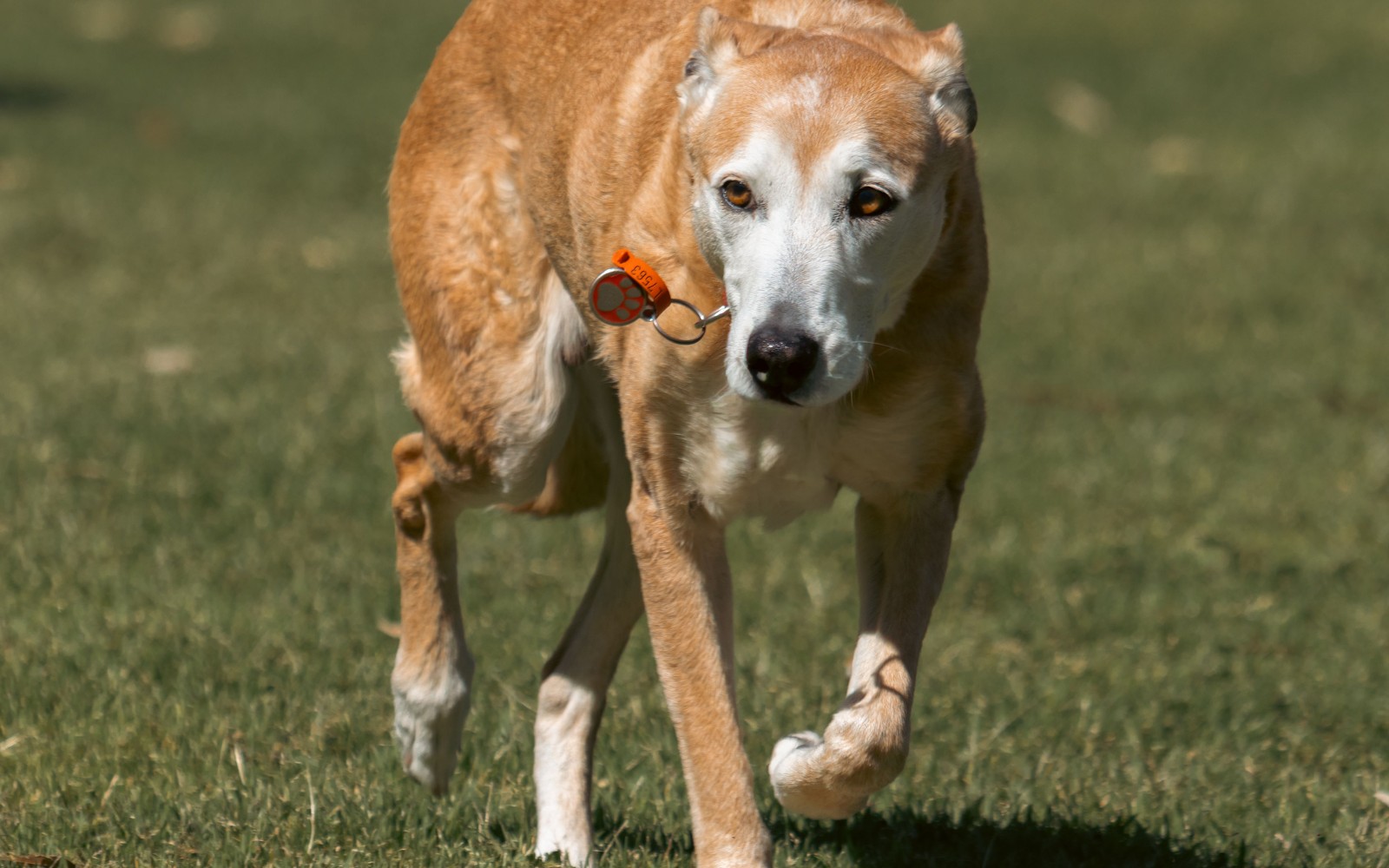
Tell your sitter the practical essentials that keep a senior dog safe and settled: how mobile he is and how he handles stairs, exactly when and how his medication is given, measured feeding amounts, toilet routines, and the small rituals that keep him calm — plus your vet's contact details and what to do in an emergency. Senior dogs thrive on consistency, so written instructions always beat a quick verbal rundown at the front door.
Mobility and Safety First
Start with what your dog cannot do, not just what he does. Can he manage the back steps alone, or does he need a ramp, a harness, or a lead on for support? Is he steady on wooden floors, allowed on the sofa, safe to be lifted — and if so, how? A sitter who does not live with him will not know that he always hesitates at the top of the stairs or that his back legs slip on the kitchen tiles.
Cover the walk honestly: how far is comfortable on a good day, what pace, which route avoids steep hills or boisterous off-lead dogs, and what to do if he wants to turn for home early — the answer is always to let him. Mention whether he is deaf, partly sighted, or startles when woken, so the sitter approaches from where he can see them and does not grab his collar unexpectedly. For large seniors like Labradors and German Shepherds, explain any sling or harness routine in plain steps and, ideally, demonstrate it once before you leave.
Medication, Food, and the Daily Routine
Write medication instructions like a recipe: drug name as labelled, dose as prescribed, time, with food or without, and what to do if a dose is missed or spat out — usually, call you or the vet rather than doubling up. Lay out measured food portions in advance if you can, name the exact food and amount, list approved treats, and flag anything strictly forbidden, including other pets' food he will absolutely attempt to steal.
Then add the rhythm of his day: wake-up toilet break, breakfast time, the midday let-out, the gentle evening walk, last toilet trip, and where he sleeps. Include the little things that are not little to him — the blanket that goes over him, the radio left on, the stuffed toy that lives in his bed. Anxious seniors settle far faster when a stranger keeps their rituals intact.
Always leave your vet's name, address, and phone number, an emergency clinic alternative, your own reachable number, and permission arrangements for emergency care. Note his known conditions, allergies, and any symptom that should trigger an immediate call: not eating, repeated vomiting, collapse, breathing trouble, or being unable to rise.
Making It Effortless With Care Pass
Gathering all of this into a notebook works once — then it goes out of date. KinsLe's Care Pass solves it cleanly: it is a temporary, scoped link you send your sitter that shows exactly the care information for that stay, and the recipient needs no KinsLe account and no app to open it. You control what is shared and for how long, so your senior's medication timing, feeding plan, mobility notes, and vet details arrive complete and current, without a chain of texts and photos of labels. When the stay ends, the link expires and his details are not left floating in someone's messages forever. Hand your senior dog's sitter a Care Pass through KinsLe that lasts only for the sitting period, and let it carry the medication times, measured meals, stair help, and vet contacts he depends on each day.