
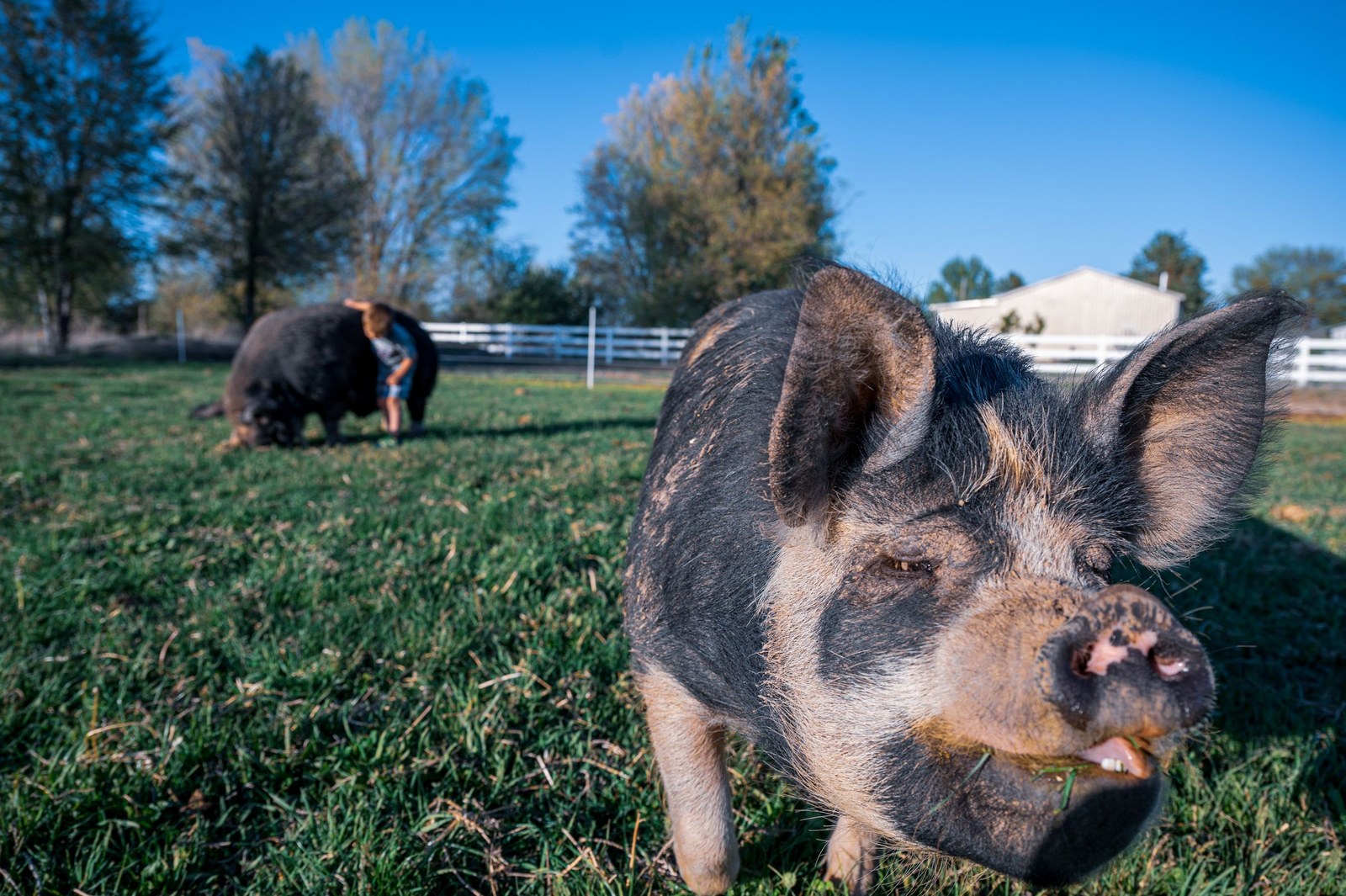
Before getting a pig or a cow, think honestly about space, fencing, feed and vet costs, manure management, zoning, and lifespan — because a cow is one of the largest, longest commitments in animal keeping, and even a "small" pig grows bigger, stronger, and smarter than most first-time owners expect.
The size reality check
A mature cow can weigh well over a thousand pounds and live fifteen to twenty years. That is two decades of daily feeding, watering, hoof and health care, and fence maintenance for an animal that can lean a fence flat. Pigs surprise people differently: breeds marketed as miniature still commonly reach weights that shock owners who pictured a teacup, and a full-grown pig is powerful, determined, and nearly impossible to physically move if it does not agree. Research the adult size of the exact breed or cross you are considering, from sources that do not sell pigs, before you fall for a piglet photo.
Space, fencing, and facilities
Cattle need real grazing or a dry lot plus a serious hay budget, shelter from weather, and fencing built for large animals — barbed or woven wire on strong posts, or well-maintained electric. Pigs need secure fencing that addresses their signature move: rooting under it. Buried wire, ground-level electric strands, or hog panels are standard answers. Both need a plan for loading and handling — you cannot improvise moving a cow or catching a pig — and a water supply that does not freeze solid through your winters.
The ongoing costs nobody budgets for
- Feed: a cow eats a substantial share of her body weight in forage; hay prices in a drought year will test your commitment.
- Veterinary care: you need a large-animal vet who will come to you, lined up before the animal arrives, plus a budget for emergencies that happen at scale.
- Manure management: one cow produces a lot of it, every day, for twenty years — you need composting space, spreading ground, or removal arrangements, and neighbors notice failures.
- Infrastructure: shelter repairs, fence repairs, a trailer or transport arrangement, minerals, bedding.
Legal and social groundwork
Zoning for cattle and pigs is stricter and more commonly prohibitive than for chickens or goats, especially on smaller lots, and setback and manure rules are enforced when neighbors complain. Check the rules first, talk to neighbors honestly, and consider your household's future: moves, job changes, and aging all interact with a twenty-year animal. Also decide the animal's purpose — a dairy cow means milking twice daily without days off; a steer is a shorter but different commitment; a pet pig is a pet for fifteen years.
The questions to answer before you buy
Who covers care when you travel — large-animal sitters are rare? What is your plan if the animal outlives your ability to keep it? Can your vehicle, gates, and barn actually handle its adult size? If any answer is "we will figure it out," figure it out first. That honesty is not discouragement; it is what separates keepers whose animals thrive from the ones rescue organizations hear about later.
If life changes: records that travel with the animal
Sometimes, despite good planning, an animal must be rehomed — and its vaccination history, health records, and care notes should not vanish when it changes hands. KinsLe's Transferrable Profiles move an animal's profile and records to the new owner, so a cow or pig arrives at its next home with its history intact instead of starting from zero. Transferrable Profiles on KinsLe carry that vaccination history and care notes across at rehoming, so whoever takes the cow or pig on receives its full story instead of a blank page.