
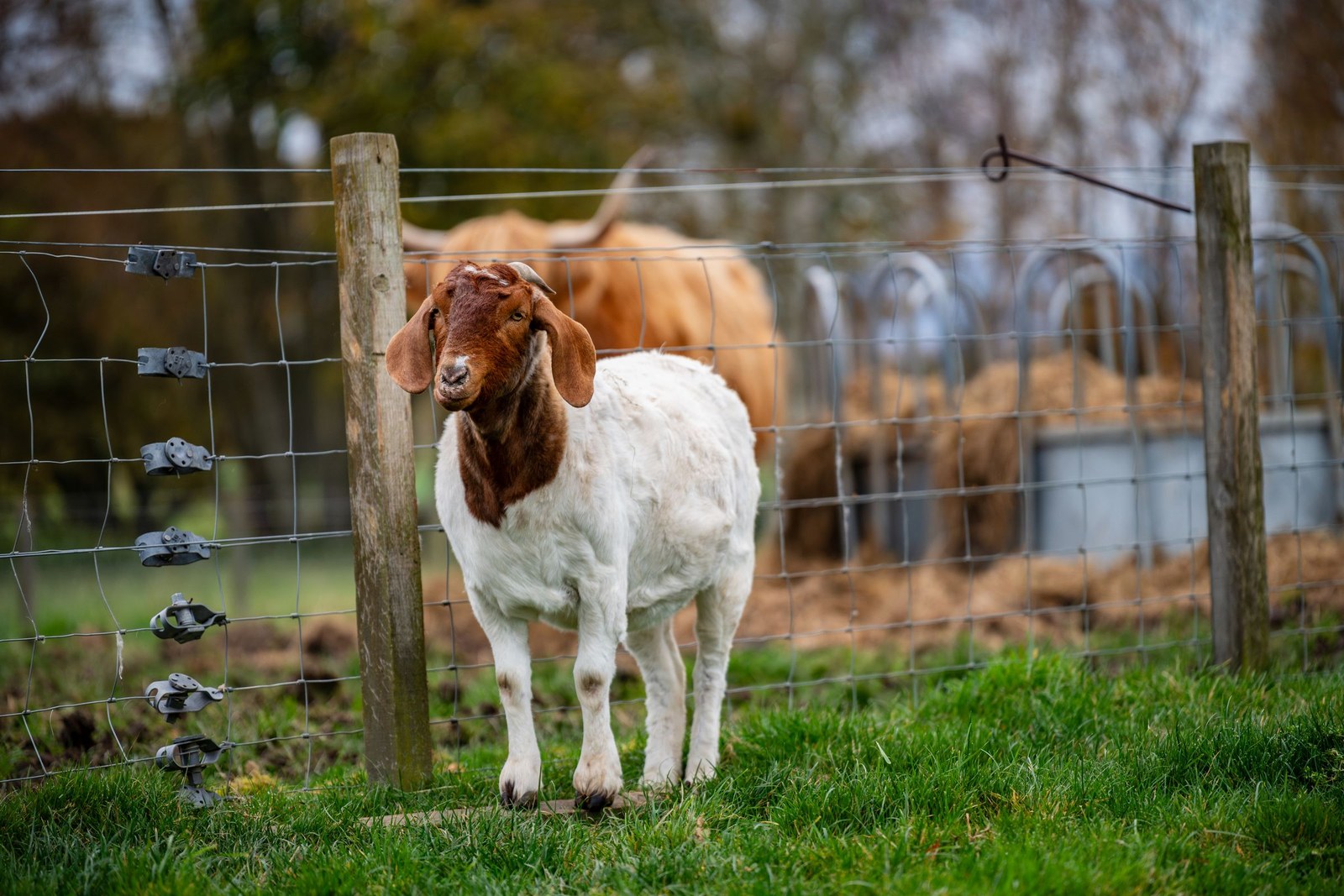
Take it seriously and act fast if a farm animal stops eating, cannot stand, struggles to breathe, has severe diarrhea, shows signs of bloat, or is straining unproductively to give birth. Farm animals are prey species that hide weakness, so by the time one looks obviously ill, it has often been unwell for a while — waiting to see how it goes is how treatable problems become losses.
The red flags, species by species
Breathing trouble — open-mouth breathing, flared nostrils, an outstretched neck, or blue-tinged gums in any species means emergency. Poultry that gasp or have swollen faces need urgent attention too, and flock-level breathing problems can signal contagious disease.
Bloat in ruminants — goats, sheep, and cows ferment feed in the rumen, and when gas cannot escape, the left side of the abdomen swells tight like a drum. A bloated animal is restless, uncomfortable, may struggle to breathe, and can deteriorate very fast.
Down or straining animals — an animal that cannot rise, a ewe, doe, sow, or cow pushing hard with no progress in labor, or a male straining to urinate with nothing coming are all call-the-vet-now events.
Off feed with company — one animal off feed is a warning; sudden deaths, several animals ill at once, severe or bloody diarrhea, a high fever you can feel in hot ears and a dry muzzle, or a wound with uncontrolled bleeding all belong in the same urgent category.
What to do in the first minutes
- Move the animal somewhere safe if you can do so without hurting it or yourself — shade and dry bedding for a weak animal, separation from herdmates that may trample it.
- Keep it warm and dry. A chilled, sick animal spends energy it cannot spare.
- Call your veterinarian promptly rather than trying home remedies first. Describe species, age, what you see, and when it started.
- Do not offer feed or drench liquids to an animal that cannot swallow properly or is struggling to breathe — you can make things worse.
- Write down times and symptoms as you go; under stress, memory blurs, and your vet will ask.
While you wait for the vet
Isolate a sick animal when you can, both to protect it and because illness can be contagious — handle the sick one last, and wash up before touching healthy stock, especially with poultry or breeding animals. Keep children and dogs away. If another animal dies suddenly or illness is spreading through a flock or herd, mention it on your call: your vet may involve your state diagnostic lab, which matters for the rest of your animals and your neighbors'.
A word of honesty about home remedies
Folk remedies passed around online can waste the narrow window when treatment works, and some are actively harmful. Safe general supportive care — shelter, warmth, dryness, quiet, and not forcing food or liquid — is what an owner should provide; diagnosis and treatment of bloat, difficult labor, toxicities, and infections belong to a veterinarian. If cost worries you, say so on the phone; vets can often prioritize the steps that matter most.
Identification that travels with the animal
In an emergency, the person helping might not be you — a neighbor, a sitter, a vet meeting this animal for the first time, needing its age, species details, and known history fast. KinsLe's Pet Pass is each animal's verified ID card, putting its key details at hand for whoever is helping, instead of relying on someone's memory mid-crisis. Pet Pass on KinsLe identifies each animal through its verified credential, letting a neighbor, sitter, or unfamiliar veterinarian confirm age and species details during an emergency without guessing from memory.