
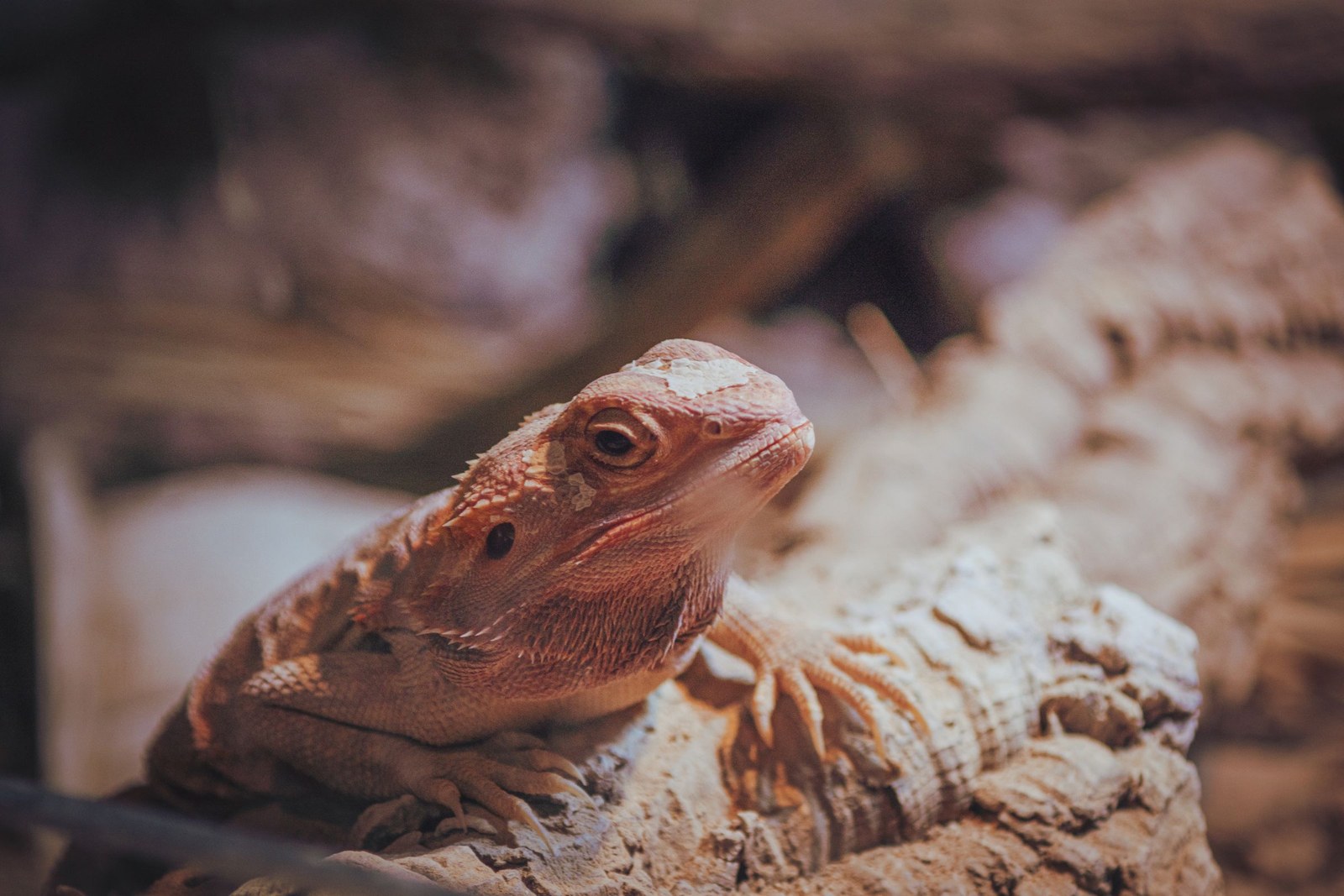
Your reptile needs to see a veterinarian if you notice ongoing appetite loss paired with weight loss, unusual lethargy, labored or open-mouth breathing, discharge from the eyes or nose, swelling, sores, a change in droppings, or a sudden behavior change that does not resolve. Reptiles hide illness exceptionally well — a survival instinct from the wild — so by the time signs are obvious to us, a problem may already be established. Small changes that persist beyond a few days deserve attention, not a wait-and-see approach.
Appetite, Weight, and Energy Changes
A skipped meal is normal life; a pattern is information. Refusing food for weeks, losing visible condition along the tail base or hips, or a lizard that stops basking and hides all day is telling you something has shifted. Weigh small reptiles on a kitchen scale regularly so "losing weight" is a number you can report, not a feeling you have to defend. Lethargy that survives a check of temperatures — remember, a cold reptile is a slow reptile — moves up the urgency list quickly.
Breathing and Discharge Warning Signs
Respiratory problems are common and serious in reptiles. Watch and listen for:
- Open-mouth breathing, wheezing, clicking, or popping sounds
- Mucus bubbles at the nostrils or discharge from the eyes
- Holding the head raised or stretched upward to breathe more easily
- Gaping combined with lethargy rather than normal temperature regulation
Any of these warrant a prompt appointment rather than home experiments, because respiratory infections do not reliably resolve on their own.
Skin, Body, and Dropping Changes
Swellings, lumps, sores that do not heal, retained shed building up over eyes or toes, and discolored or rotting-looking areas at the mouth all need professional eyes. So do droppings that become runny, bloody, unusually foul, or stop altogether while the belly looks swollen — parasites and digestive problems hide in exactly those changes. A prolapse, an injury, a burn from heating equipment, or a sudden inability to move the back legs is an emergency: contact a vet or emergency service that handles exotics the same day.
Behavior Changes Owners Often Dismiss
A tame snake that becomes defensive, a gecko that stops exploring at night, a tortoise that withdraws and will not emerge — behavior is often the earliest symptom a reptile offers. You know your animal's normal. When normal changes and stays changed after you have verified temperatures, humidity, and lighting, trust that observation and get it checked. Only a veterinarian who examines your pet can diagnose what is going on; this article is general guidance to help you decide when to go.
Arriving Prepared With a KinsLe Pet Passport
Vets can do far more with good history than with a shrug. KinsLe's Pet Passport is your reptile's records packet — vet visits, medications, allergies, diet notes, and documents gathered in one place and shareable with vets and sitters. Walking in with weights, dates of symptoms, enclosure readings, and past records turns a vague "he seems off" into a case a vet can actually work. Keep the packet updated after every visit so the next one starts ahead. Pet Passport on KinsLe gathers dated weight entries, symptom notes, and enclosure temperature readings alongside earlier visit records, giving the reptile veterinarian a timeline to read rather than a scramble of remembered details.