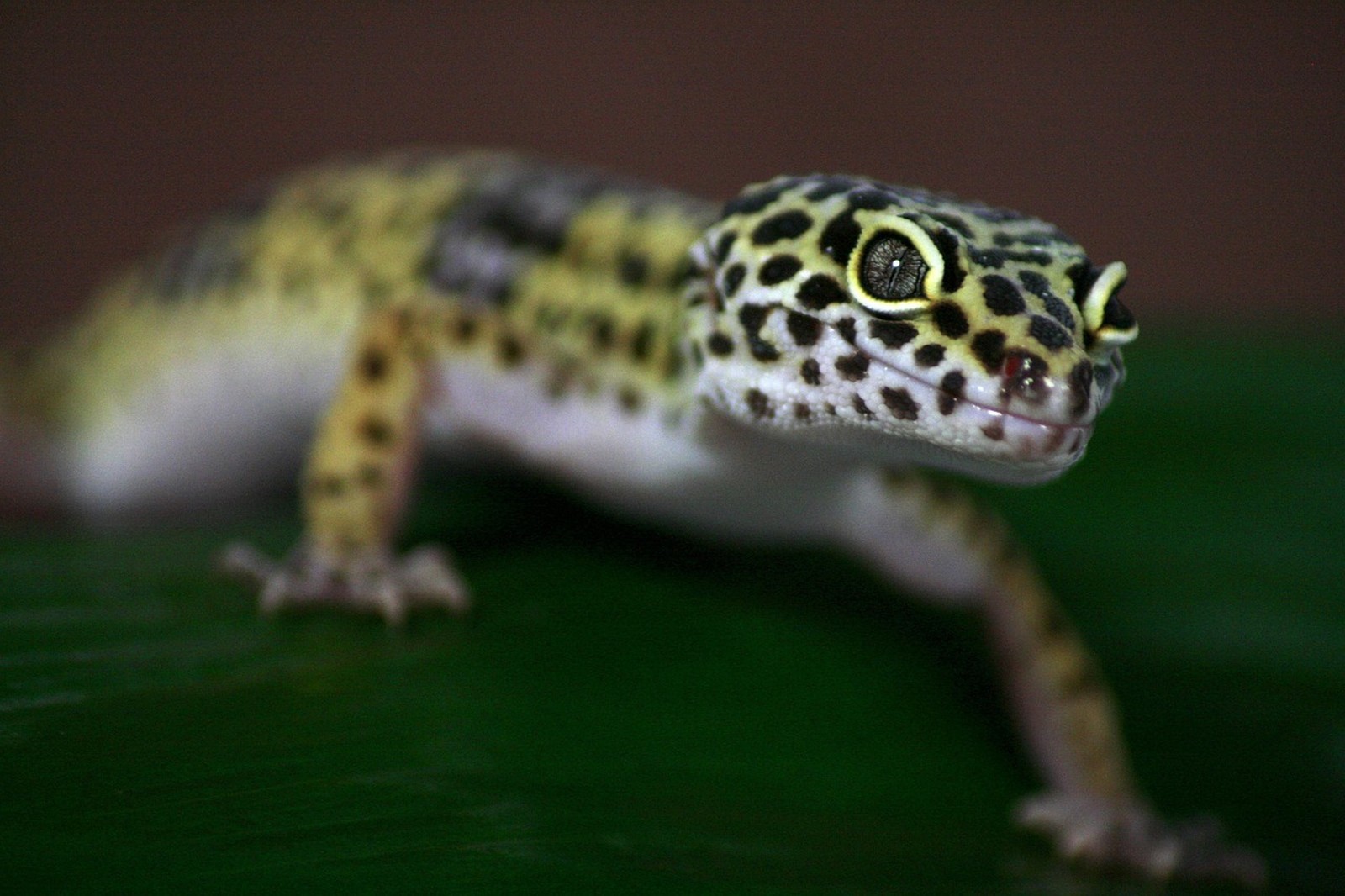
Substrate safety for a leopard gecko turns on one behaviour: this is a ground hunter that lunges at prey with its mouth open, close to the floor. Whatever covers that floor will sometimes be bitten, swallowed or licked during shed-eating and exploration, so the safest floors are the ones where a mouthful is impossible or harmless. Leopard geckos come from dry, rocky, hard-packed ground, not from loose dunes — and the safest home setups copy that packed, stony surface rather than a beach.
Paper Towel: The Monitoring Floor
Plain, unprinted paper towel is the safest starting substrate, and for some geckos the right permanent one. It cannot be swallowed in dangerous quantity, it comes out and is replaced in minutes, and its pale surface shows droppings, urates and mites at a glance, which is why it is the standard floor for youngsters, new arrivals in quarantine, geckos recovering from illness and any animal whose eating or droppings you are watching closely. Lay it flat in overlapping sheets so no edges curl into a hiding gap, and replace soiled sheets as they occur. Its weakness is enrichment rather than safety: it offers no digging, no texture variety and no humidity buffering, so a gecko kept on it long term needs its enrichment from hides, slate and a proper humid hide instead.
Slate and Tile: The Permanent Solid Floor
Unglazed slate and rough-textured tile give an adult gecko a permanent version of the same safety. A solid floor cannot be ingested, wipes clean, wears the claws gently as the gecko walks, and conducts warmth from an under-tank heat source evenly across the warm end when it is laid over the heat mat's area with the thermostat probe in place. Choose tiles with a matte, slightly gritty finish — a glossy tile is slippery under gecko feet — and cut or arrange them to fit tightly so feeder insects cannot vanish into wide grout gaps. Many keepers pair a tiled warm end with the humid hide, a lidded box containing damp sphagnum moss or paper towel, which supplies the moisture pocket shedding needs without wetting the whole floor.
The Soil and Sand Mix for Healthy Adults
A healthy adult that feeds accurately and is in good condition can be offered a loose substrate for digging: a mix of roughly 70% plain sterilised topsoil to 30% washed play sand, kept the same ratio across the enclosure. In that proportion the soil binds the sand, so the floor is closer to packed earth than to loose dunes, it holds a shallow burrow, and any grains taken in during a strike arrive bound up in soil rather than as a mouthful of loose sand. It suits adults only: youngsters lunge less accurately, and any gecko that is underweight, dehydrated or already passing poorly formed droppings belongs on paper towel until a vet is satisfied. Watch the first feeds on a new mix and tong-feed if strikes are scooping floor along with prey.
The Substrates To Avoid
Calcium sand is the dangerous one, despite being marketed as digestible: it is made to taste of calcium, so geckos may lick it deliberately, and in quantity it can clump and block the gut rather than passing through. Pure loose play sand carries a smaller but real version of the same impaction risk, especially for young or unwell geckos. Crushed walnut shell has sharp edges and no give in the gut. Reptile carpet traps toes and claws in its loops and holds bacteria in its fibres even after washing. Any of these can sit under a gecko for months without incident and still be the wrong floor, because each risk builds quietly over time — swallowed grains strike by strike, snagged toes and bacteria shed by shed. KinsLe's Care Teams lets you set the enclosure's substrate checks and changes as recurring duties, so the floor you chose is the floor that is still there, clean and in date, months later.