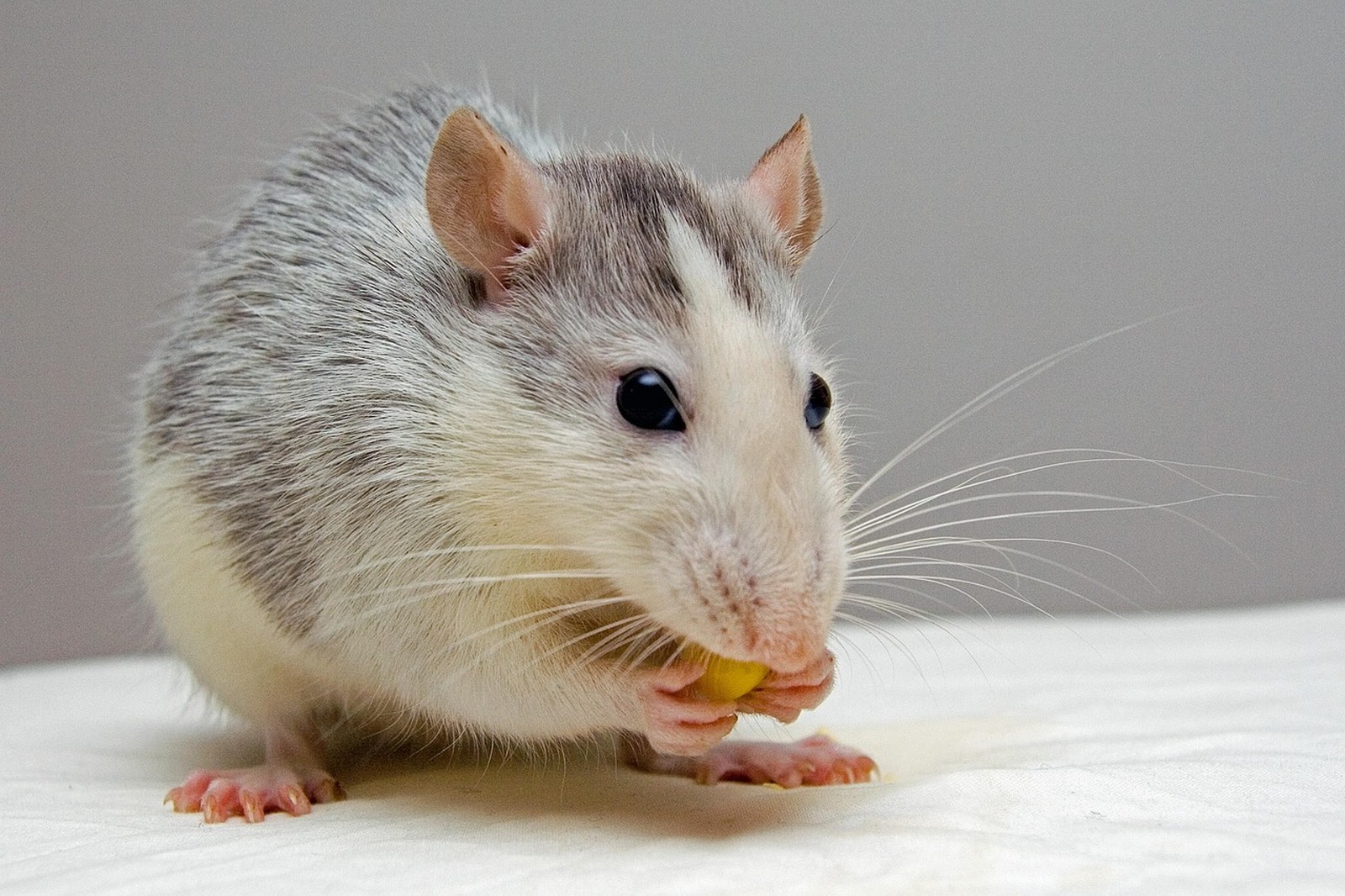
A rat's treat list is wide, because rats are true omnivores with curious appetites — the discipline is in the portion. Safe choices include small pieces of broccoli, carrot, peas, sweetcorn, courgette and cucumber, tiny amounts of banana, apple, pear or berries, and occasional protein such as a little plain cooked egg, a piece of cooked pasta or rice, or a mealworm. Each of those is a treat in rat scale: pea-sized, offered one or two pieces at a time.
Portion Guidance That Actually Works
A rat weighs a few hundred grams, so a human-sized serving is a feast. Keep all treats together to a small share of the day's food, offer fresh treats a few times a week rather than at every interaction, and count training rewards inside that allowance — a rat learning a recall may earn ten rewards in a session, so make each reward a fragment, not a chunk. Rotate what you offer so no single sugary fruit becomes a daily habit, and remove uneaten fresh food from the cage the same day before it spoils in a hoard.
Rats stash food, which complicates moderation. A treat handed over may be carried off and stored rather than eaten, and a dominant rat may collect pieces intended for a shy cage mate. Hand treats to each rat individually during out-of-cage time if you need to be sure who ate what, and check favourite hoarding corners when you clean the cage.
Foods and Forms to Avoid
Never offer chocolate, sweets or sugary human snacks, and avoid raw dried beans, green potato and rhubarb. Be careful with form as well as ingredient: thick, sticky spoonfuls such as a blob of nut butter can be difficult for a rat to clear from the mouth, so if it is offered at all, spread it paper-thin — and skip fizzy drinks and alcohol entirely, which should go without saying but appears in enough videos to be worth stating. New foods deserve a one-at-a-time introduction in a tiny amount, watching droppings and appetite over the following day for soft stool or a turned-up nose.
Making Treats Enrichment, Not Just Food
Scatter a few peas or pieces of pasta in clean bedding or hide them in a cardboard forage toy, and a two-minute snack becomes ten minutes of searching, digging and problem-solving. That matters for an intelligent, social animal that spends much of its day in a cage. Use treats to hand-tame nervous youngsters, to reward coming when called, and to make health checks pleasant — a rat expecting a pea tolerates a brief hold and a look at its teeth far better.
Because several family members often cannot resist a hopeful rat at the bars, agree one simple rule: treats get noted, not guessed. A quick entry in KinsLe Care Teams each time treats are given, with the task timestamped on completion, stops the classic three-person evening in which every person assumes they were the only one to feed the treats.