
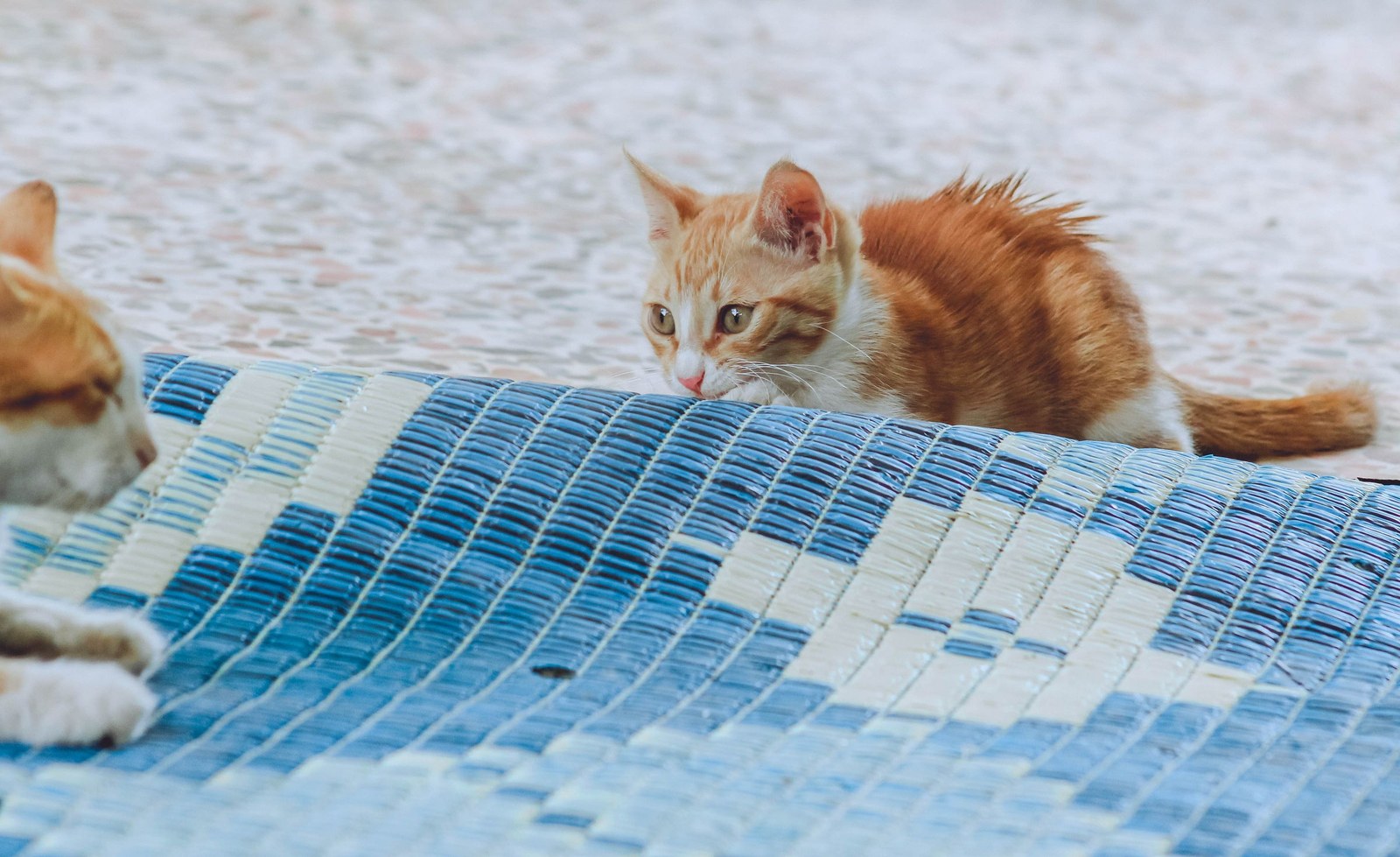
Weaning usually begins around four weeks old, when kittens can start trying a gruel — kitten food softened with warm water or kitten formula — offered on a shallow dish. Over the next three to four weeks they gradually eat more solid food and nurse less, and most kittens complete the transition by about eight weeks, though the mother often starts encouraging it herself by walking away mid-nurse.
Readiness signs to watch for
Age is a guide, not a switch. Look for the cluster of signs: baby teeth erupting, kittens walking confidently, showing interest in their mother's food, and mouthing or chewing rather than only suckling. A kitten who is still wobbly, toothless, and nursing happily is not ready, whatever the calendar says.
How to serve the first meals
Mix wet kitten food with warm water or kitten milk replacer to a loose, oatmeal-like consistency and spread it thinly on a shallow plate or low tray — deep bowls tip and overwhelm small faces. Expect the first sessions to be performance art: kittens walk through the food, wear it, and lick it off each other. That is learning. Offer gruel three to four times a day, then leave nursing to mom (or the bottle) for the rest of their calories during the first week of weaning.
Practical tips that help:
- Warm the gruel slightly; cold food puts beginners off.
- Dab a little on a fingertip or a kitten's lips to give her the idea.
- Feed kittens together on an easy-clean surface — competition at the dish encourages eating.
- Always have fresh water available in a shallow dish once weaning starts, even though most fluid still comes from food and milk.
- Weigh kittens every day or two; steady gains mean the transition is working.
Thickening the mix, week by week
Across weeks five and six, gradually reduce the added liquid so the food approaches its normal consistency, and introduce a little soaked dry kitten food if you plan to feed it. By seven to eight weeks most kittens are eating solid kitten food confidently at set mealtimes. Keep the food kitten-formula throughout — growing kittens need the extra protein, fat, and nutrients, and will stay on kitten food for most of their first year.
Problems and pacing
Rush is the enemy. Moving to solid food too fast commonly causes loose stools; if that happens, step back to a thinner gruel for a day or two rather than pushing forward. A kitten who refuses the dish entirely while littermates eat may need more bottle or nursing time and a re-check in a few days — and a kitten who refuses food and loses weight, or has persistent diarrhea, needs your veterinarian, since small kittens dehydrate quickly. Never wean onto cow's milk; it upsets kitten digestion and offers poor nutrition.
Timing each stage without guessing
Because the stages blur together — gruel this week, thicker next, nursing fading somewhere in between — a nudge at the right moment helps. Kimmy, KinsLe's built-in AI assistant, can answer questions about each weaning stage — when to thicken the mix, when to hold the consistency a little longer, and how to tell steady progress from a switch moving too fast. Kimmy can take your follow-up questions on thickening the gruel or pausing the switch in KinsLe, with replies drawn from the KinsLe Answers library.