
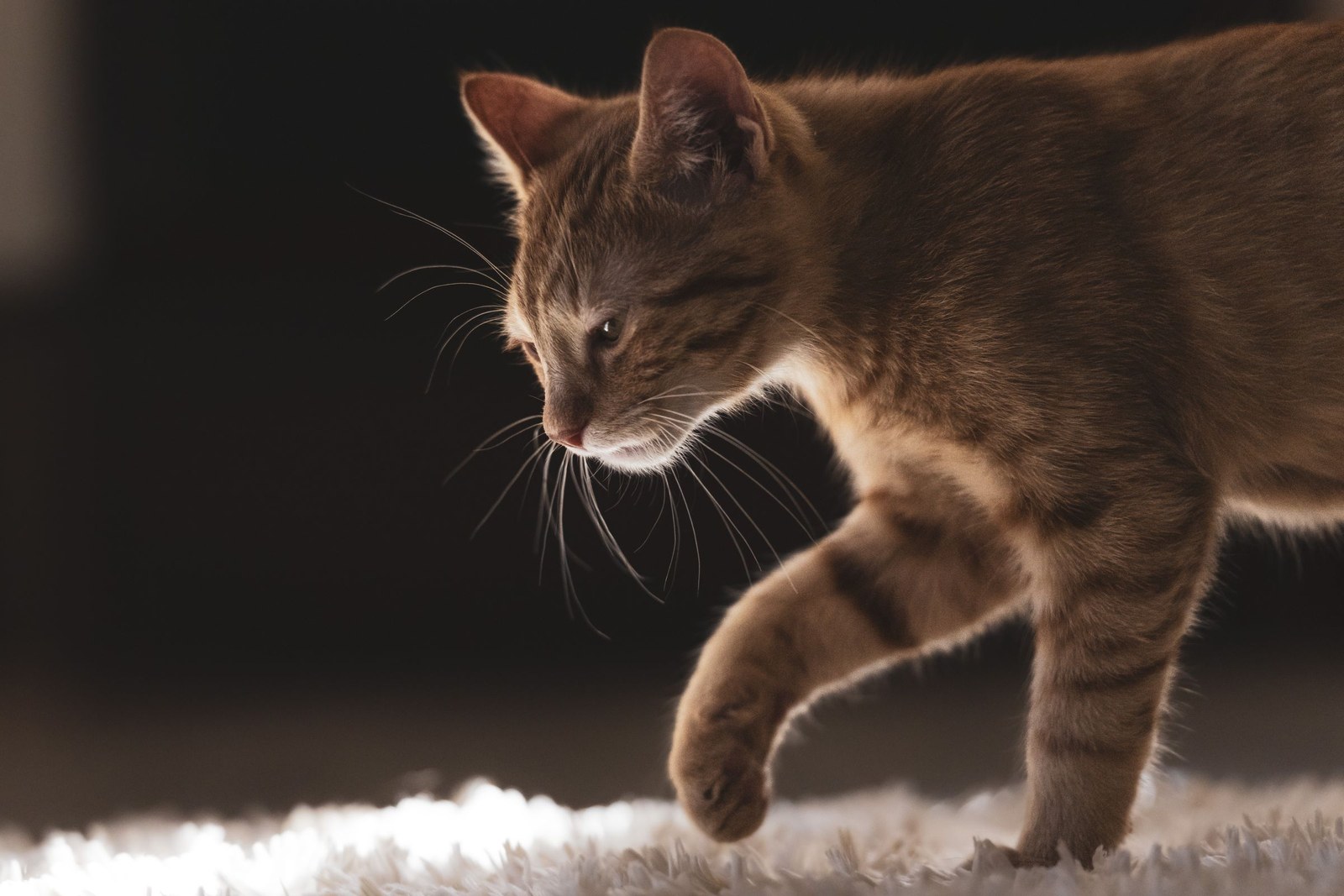
Kittens are born with their eyes sealed shut and their ear canals closed, and they usually open their eyes somewhere between about one and two weeks old. Walking comes a little later: most kittens take their first wobbly steps around three weeks, and by four to five weeks they are exploring, pouncing, and looking far steadier on their feet.
Week by week: what changes when
In the first week, a kitten's world is smell, warmth, and touch. She sleeps most of the day, nurses in short bursts, and scoots on her belly rather than walking. Ears begin to unfold in the first several days, though real hearing develops later.
Between roughly days seven and fourteen, the eyes start to open — often one a little before the other. Every kitten's first eye color is a blue-grey; the permanent color develops over the coming weeks and months. Eyes that open should never be forced. If an eye looks swollen, crusted shut after opening, or produces discharge, that is a job for your veterinarian, not for warm compresses and guessing at home.
The wobbly walking phase
Around three weeks, kittens push up on shaky legs and attempt their first steps. It is charmingly clumsy — wide stances, frequent tumbles, tails used as balancing poles. Their baby teeth are also erupting around this time, and coordination improves almost daily. By four weeks most kittens can walk, totter-run, and start swatting at siblings and toys. Between four and five weeks, expect real play: wrestling, chasing, and the first attempts at climbing out of the nesting box, which is your cue to widen their safe play area.
What is normal — and what is not
There is a normal range for every milestone, and littermates do not hit them on the same day. A kitten a few days behind a sibling is usually fine. Pay closer attention if a kitten is not gaining weight, has not opened her eyes well past two weeks, cannot right herself or seems unable to move toward warmth or her mother, or shows discharge, swelling, or a cloudy look to an eye. Those are reasons to call your vet promptly rather than wait for the next milestone.
A few gentle practices help development along:
- Keep handling brief, warm-handed, and calm — touch supports social development without overwhelming a tiny kitten.
- Offer a shallow, stable world: low obstacles and good footing help new walkers build confidence.
- Weigh kittens regularly; steady growth is the best single sign that development is on track.
- Let them wrestle with littermates — that clumsy play teaches bite inhibition and coordination.
Keeping track of the milestones
The milestones come fast, and by week four it is genuinely hard to remember who opened her eyes when. Kinny, KinsLe's built-in AI assistant, can answer the milestone questions that pile up in these weeks — when walking should start, when weaning typically begins, and when that first vet visit is due. Your kitten's KinsLe profile, free for your first pet, keeps her growing record in one place alongside the milestones you note. You can ask Kinny about eyes opening late or a kitten still unsteady at four weeks in KinsLe, and the answers you receive come via the KinsLe Answers library.