
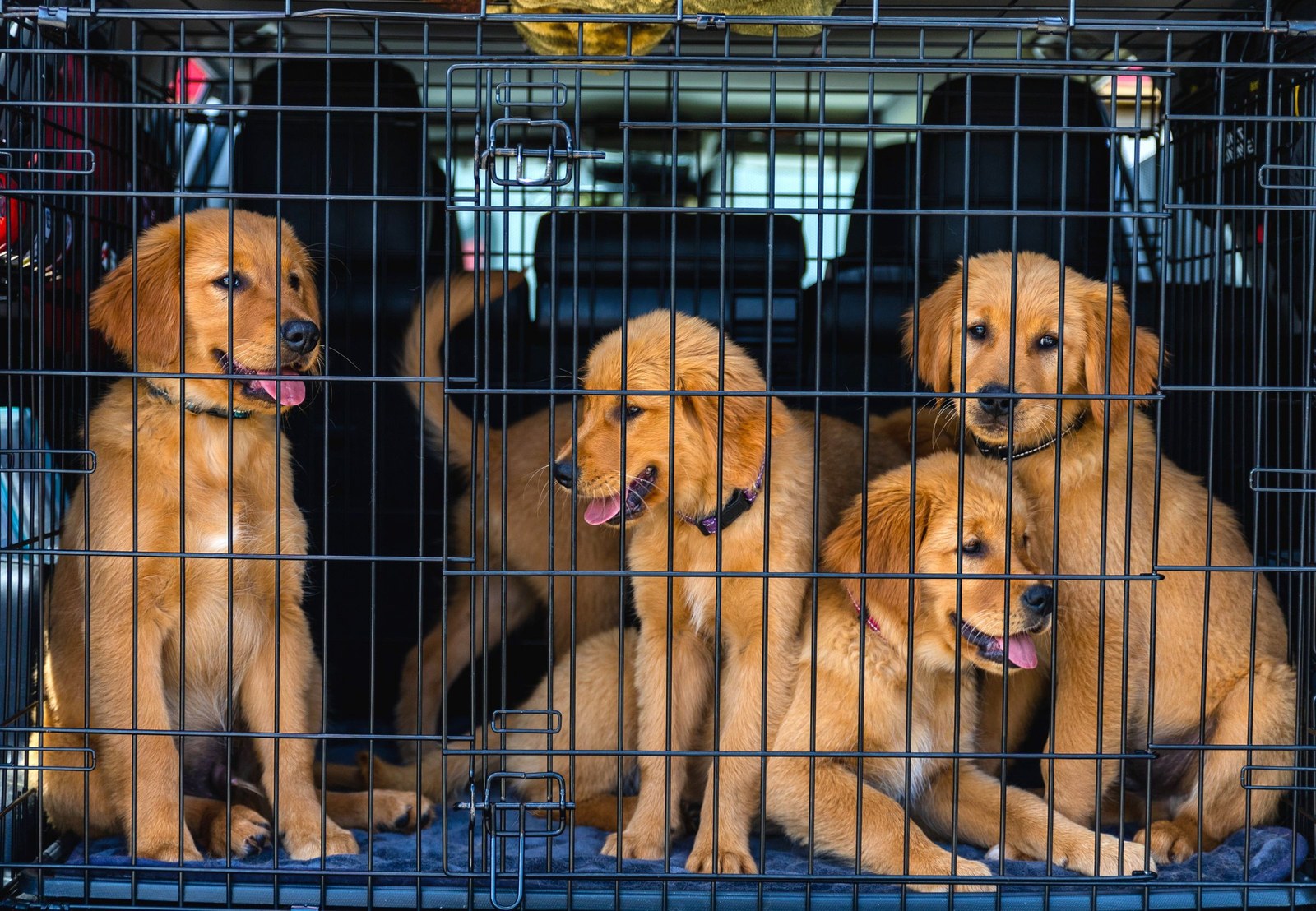
Puppies usually start losing their baby teeth at around 12 to 16 weeks old, and most have a full set of 42 adult teeth by about six to seven months. Finding a tiny white tooth on the floor is completely normal — and so is never finding a single one, because most puppies simply swallow them on their way through dinner, which is harmless.
The teething timeline
Puppies are born toothless, grow 28 baby teeth by about six to eight weeks, and then those baby teeth make way for the adult set over several months. The front incisors usually change first, then the premolars, with the pointed canines ("fangs") often the most noticeable swap. During the busiest weeks you may spot slightly pink gums, a little drool, or a puppy who suddenly wants to chew everything with renewed determination — the coffee table leg, your slippers, the corner of the rug.
Expect the chewing urge to peak during teething. Offer legal alternatives generously: frozen washcloths tied in a knot, rubber puppy teething toys, and chilled (not frozen solid) chew toys can all soothe sore gums. Rotate toys every couple of days so they stay interesting.
Finding teeth — and not finding them
A tooth on the floor looks surprisingly small and hollow, sometimes with a fleck of blood at the root. That trace of blood is normal; the adult tooth pushing up dissolves the baby tooth's root, which is why found teeth look like little shells. Swallowed teeth pass through without issue — you do not need to go looking for them at the other end.
Keep found teeth if you like. Plenty of owners have a tiny envelope of puppy teeth in a drawer somewhere, filed under "things we never expected to be sentimental about."
When a baby tooth overstays
The one situation worth flagging: a baby tooth still firmly in place after the adult tooth has grown in beside it. This is called a retained deciduous tooth, and it is most common with the canines in small breeds like Chihuahuas, Yorkshire Terriers, and Toy Poodles. Two teeth crowded in one socket trap food and tartar and can push the adult tooth into a bad position. Retained teeth do not usually resolve on their own, so mention it at your next vet visit — vets often remove them under anaesthesia, sometimes conveniently at the same appointment as neutering if the timing lines up.
Also mention teething-stage concerns if your puppy stops eating, has a swollen jaw, bleeds persistently from the mouth, or seems in real pain — ordinary teething is uncomfortable, not miserable.
Photograph the milestones
This stage flies past. The gappy, snaggle-toothed grin stage lasts only weeks, and the day the last wobbly baby canine comes out, your puppy suddenly looks like a small adult dog. Snap photos as you go — future you will be glad.
Keep the records travelling with your puppy
Teething usually overlaps with the busiest vet season of your puppy's life: vaccine boosters, microchipping, and first dental checks all land in the same months. KinsLe's Pet Passport is the records packet for exactly this — vaccines, medications, allergies, and documents kept together in one place and shareable with your vet or sitter, so when the vet asks "when was the last booster?" at the retained-tooth check, the answer is in your hand, not in a drawer at home. Pet Passport puts the dated booster record in front of the veterinarian examining that retained canine, alongside the medication and allergy notes from the same busy season, all kept together on KinsLe instead of scattered through home files.