
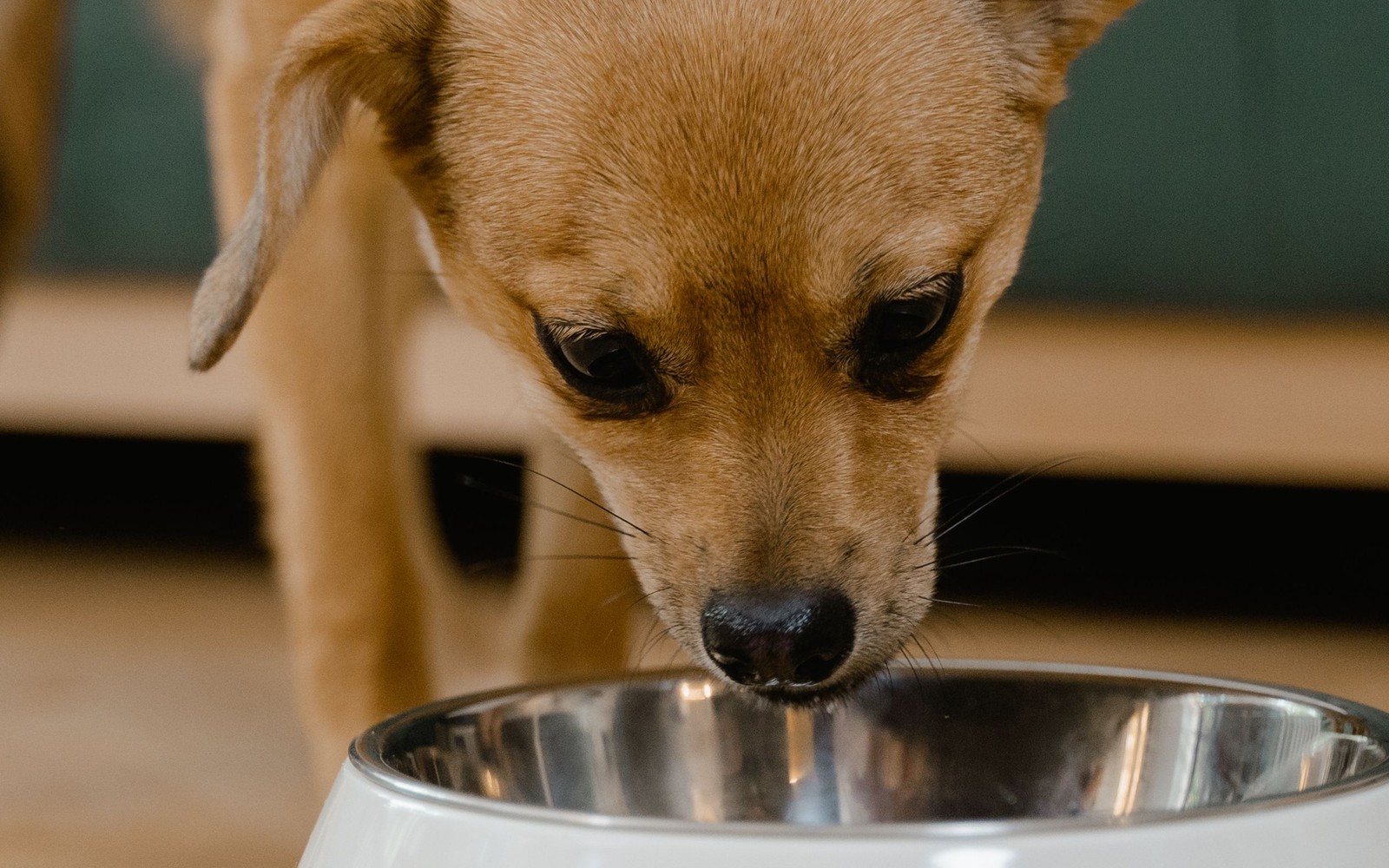
There is no magic birthday for switching to senior food. A useful guide is the last quarter of your dog's expected lifespan, which arrives much earlier for large breeds than for small ones, but your dog's body and your vet's advice are better signals than the calendar alone.
What senior really means for different dogs
A giant breed such as a Great Dane may be considered senior around six or seven, a Labrador or Golden Retriever often around eight to ten, and a small terrier or Dachshund may not reach that stage until eleven or later. That is why two dogs the same age can need completely different diets. One is still hiking happily on adult food, while the other is stiff in the mornings and gaining weight on exactly the same portions he has eaten for years.
Rather than circling a date, watch the dog in front of you over a few months.
Signs the adult formula may no longer fit
Consider a conversation about senior food if you notice:
- Weight creeping up even though portions and treats have not changed.
- Muscle looking thinner over the hips and shoulders, despite a round belly.
- Slower walks, more sleeping, or stiffness after rest.
- A duller coat, flakier skin, or digestion that has become less predictable.
- Your veterinarian raising weight, joints, kidneys, or metabolism at a checkup.
None of these signs alone proves a food change is needed, and some can point to health issues that deserve checking first. A senior wellness visit, often including bloodwork as dogs age, gives you and your vet a fuller picture before you overhaul the diet.
How to make the switch smoothly
When you decide together that it is time, transition gradually over about seven days. Start with roughly three quarters old food and one quarter new, then move to half and half, then mostly new, then fully new. Slow down if stools soften. Keep treats consistent during the change so you know what caused any upset, and measure portions rather than eyeballing them, because senior formulas can differ a lot in calories per cup.
Recheck his weight and body condition a month or two after the switch. The goal is steady muscle, comfortable movement, and a stable waistline, not simply eating whatever the bag calls senior.
Also weigh treats during this month. A dog who gets generous biscuits, chews, and table tastes may appear to reject a sensible senior portion when he is simply already full from everything around the meals.
Senior Food Questions You Can Ask Kinny in KinsLe
A week-long food change is easy to forget by day three, especially in a busy household. When the days blur, you can put those questions to Kinny, the built-in AI assistant in KinsLe: which ratio belongs on which day, whether soft stools mean slowing the pace, and when his weight should be checked again. Asking as each question comes up keeps the gradual change on track through the full week.
When weight creep or morning stiffness leaves you unsure whether a diet change is due, Kinny can answer follow-up questions about senior food timing in KinsLe, with replies drawn from the KinsLe Answers library.