
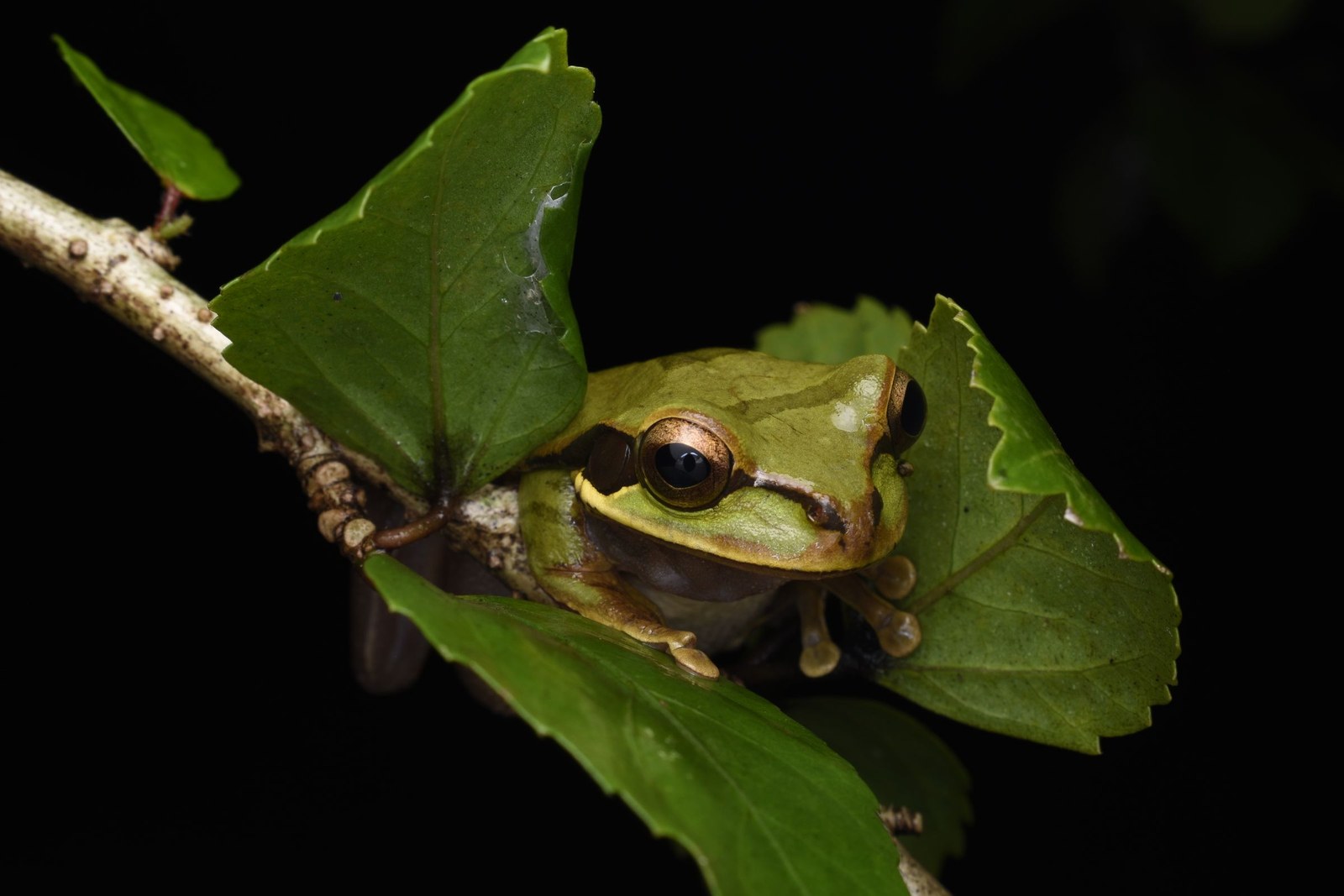
Take your frog to an exotics vet as soon as you notice it has stopped eating, lost noticeable weight, developed skin discoloration or sores, or become unusually still and unresponsive. Frogs are masters at masking illness and can decline very quickly once symptoms appear, so a change that looks minor in a mammal is often a serious, time-sensitive signal in a frog. When in doubt, call the vet and describe what you see rather than waiting days to see if it improves.
The Warning Signs Worth Acting On
- Appetite and weight: refusing food for several feeds, looking thin through the hips and back, or letting prey walk past untouched
- Skin: redness, pale or blotchy patches, fuzzy growths, sores, ulcers, or skin that looks cloudy or dull compared with normal
- Body condition: bloating or swelling, a puffy or fluid-filled look, or visible asymmetry
- Movement and posture: weakness, inability to grip or climb as usual, dragging a limb, or sitting in an odd hunched position
- Behavior: staying hidden far more than usual, sitting in the water bowl constantly, or failing to react to movement nearby
Some of these come with environmental causes — a tank that is too cold or dry can suppress appetite and movement — so while you arrange the visit, check your temperatures, humidity, and water quality rather than assuming the most benign explanation.
Why Timing Matters So Much With Frogs
A frog's skin is a breathing, drinking organ: it absorbs water and everything dissolved in it. That makes frogs extra sensitive to toxins, dehydration, and infection, and infections that start on the skin can move fast. Amphibian medicine is also genuinely specialized — a vet without exotics experience may not recognize the early presentation of common frog problems, which is why finding the right practice before an emergency is half the battle.
Never try to medicate a frog on guesswork, and never borrow treatments meant for fish or other pets. Safe general care here means keeping the frog in clean, dechlorinated water conditions, minimizing handling, and getting a qualified vet's assessment.
Preparing for the Visit
Transport your frog in a secure, ventilated container with a damp paper towel or moss so it stays moist and cannot injure itself. Bring notes: when it last ate and what it ate, temperatures and humidity in the enclosure, water source and dechlorinator used, and clear photos of any skin changes. A vet can do far more with that history than with a frog alone.
Line Up Your Exotics Vet Before You Need One
The worst time to discover that your local practice does not see amphibians is at midnight with a limp frog in hand. Use KinsLe's Pet Services Directory to find exotics vets and other specialists near you ahead of time, and keep your frog's details on its profile so the information is ready when you call. Searching the Pet Services Directory in KinsLe while your frog is still healthy can surface exotics practices near you that actually treat amphibians, so the right clinic's number is saved before symptoms ever appear.