
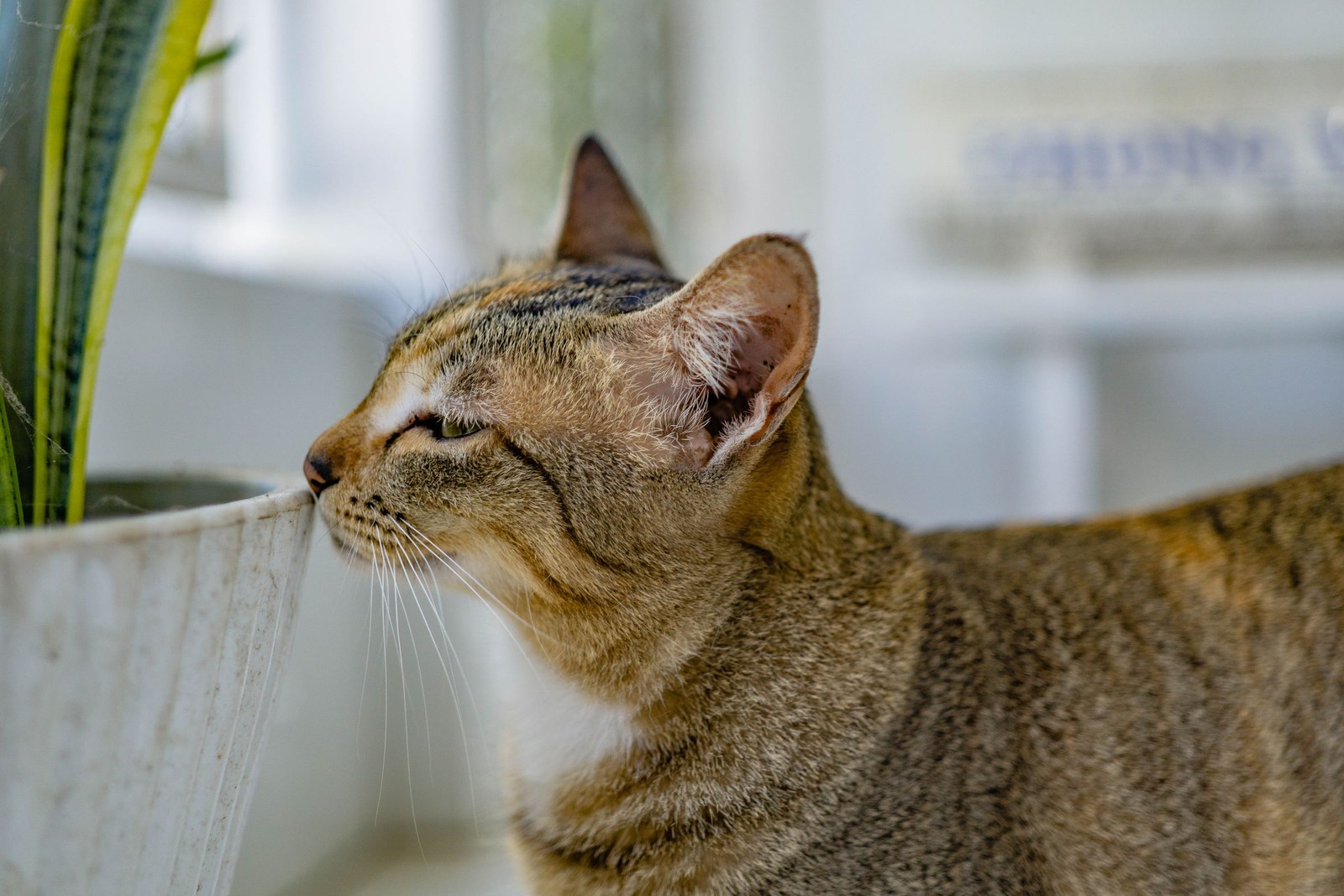
True lilies — including Easter, tiger, day, Asiatic, and Japanese show lilies — are the most dangerous houseplants for cats, capable of causing kidney failure from even small exposures like chewing a leaf or licking pollen off fur. Other common plants, including pothos, philodendron, dieffenbachia, and poinsettia, can also make cats sick if chewed. If you share your home with a cat, these plants should be removed or placed genuinely out of reach.
The Plants That Matter Most
Lilies deserve their own category. Every part of a true lily is toxic to cats, including the pollen and even the water in the vase. A cat who brushes against a bouquet and grooms pollen from her coat can be in danger, which is why florists' arrangements are a hidden risk — mixed bouquets often include lilies. Sago palms are another severe hazard, particularly the seeds.
The next tier causes mouth pain, drooling, vomiting, or digestive upset rather than organ failure, but still has no place within chewing range: pothos and philodendron contain irritating crystals, dieffenbachia can make the mouth swell painfully, and poinsettia sap is a milder irritant despite its dramatic reputation. Aloe, jade plants, and many bulb plants like tulips and daffodils also appear on toxicity lists. When in doubt, check a reliable pet-toxicity list — the ASPCA maintains a large searchable one — before any plant comes home.
Why Cats Chew Plants at All
Cats chew greenery for fiber, for texture, out of boredom, and sometimes because grass-like leaves are simply fun to bat and bite. Kittens and young cats are the most persistent chewers. A cat who targets your plants is more likely to stop if she has a sanctioned alternative: a pot of cat grass, a catnip plant, or spider plants and Boston ferns, which are generally considered cat-safe and satisfy the same urge.
Making Your Home Plant-Safe
- Remove true lilies and sago palms entirely — out of reach is not enough for pollen-shedders.
- Move mid-tier toxic plants to a closed room your cat never enters, or gift them to pet-free friends.
- Hang or shelf remaining plants where a determined jump truly can't reach, and recheck as your cat grows.
- Inspect bouquets before they enter the house and pull any lilies out.
- Supervise new plants for the first week to see whether your cat shows interest.
If Your Cat Eats Something Risky
Act fast rather than waiting for symptoms. Remove plant material from her mouth, note the plant's name (or photograph it), and call your veterinarian or an animal poison helpline right away — early treatment is especially critical with lilies. Do not try to induce vomiting unless a professional tells you to. Save a leaf sample for identification if you can do so safely.
Keeping the Whole Household on the Same Page
Plant safety fails when one person brings home a lily bouquet not knowing the rule. KinsLe's Family Sharing keeps your cat's care circle on one per-pet profile with roles, so hazards like toxic plants can be flagged where everyone in the household will see them — the partner who buys flowers, the kids, the visiting sitter. One shared warning prevents the most common accident. Family Sharing puts the lily warning, the mid-tier plants to relocate, and the bouquet check in front of everyone in your household on KinsLe, so the person buying flowers reads the same hazard note as the person feeding the cat.