
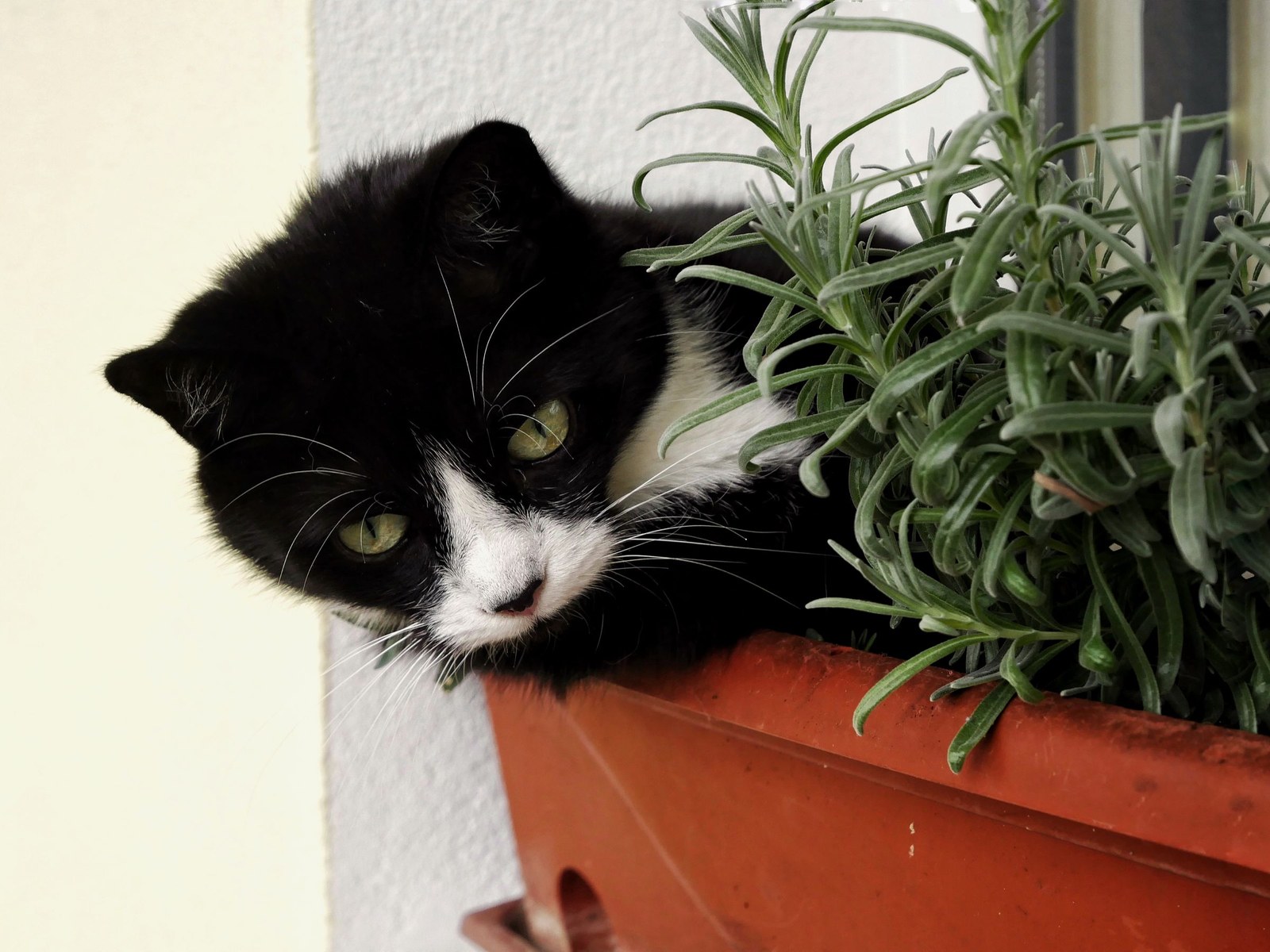
Safer plant choices commonly picked by cat owners include spider plants, Boston ferns, parlor palms, and cat grass grown specifically for nibbling — but treat that list as a starting point, not a guarantee. Always verify any specific plant against a trusted pet-toxicity list before bringing it home, because common names can be misleading and one variety can differ from another.
Why the 'Safe Plant' Question Needs Care
Plant toxicity lists exist because the stakes are real: some extremely common houseplants, most famously true lilies, are dangerously toxic to cats even in small amounts. Others cause mouth irritation, vomiting, or diarrhoea that still means a miserable cat and an urgent vet call. The confusion is that plant naming is messy — several unrelated plants share a common name, and a shop label may be vague or wrong.
That is why the reliable habit is verification, not memorisation. Before buying, search the plant's scientific name on a trusted pet-toxicity resource such as the ASPCA's plant list, or ask your veterinarian. Snap a photo of the label, keep the scientific name with the plant, and repeat the check for gifts and bouquets — cut-flower arrangements are a frequent way risky plants enter a cat's home unnoticed, and lily-containing bouquets should never share a house with a cat.
Getting the Most From the Safer List
Within the commonly chosen safer options, there is still variety to enjoy. Spider plants are hardy, forgiving of forgetful watering, and produce arching leaves and baby plantlets cats find tempting to bat — hang them high and let the dangle be decoration rather than invitation. Boston ferns give lush, soft greenery without the toxicity worries of some lookalike ferns, though true identification matters, so buy from a reputable seller.
Parlor palms are a classic low-light choice that tolerates indoor life well and grows slowly into a statement plant. Cat grass — usually oat, wheat, or barley grass grown in a small pot — is the one plant you offer on purpose: many cats enjoy nibbling it, and having a sanctioned pot can redirect attention from your other greenery. Replace it as it yellows; a cat eating a lot of grass or vomiting repeatedly needs veterinary advice, not more grass.
Placement and Habits for a Determined Chewer
Even a plant considered safer should mostly live out of easy reach if your cat is a committed chewer. Eating large amounts of any plant material can upset a stomach, and soil, fertilisers, and pesticides add their own risks. Use hanging planters, high shelves your cat cannot launch onto (remember she has vertical routes you built her), or rooms she does not access.
Skip chemical leaf-shine products and be cautious with fertilisers on accessible plants. Provide alternatives that satisfy the chewing and batting urge — cat grass, sturdy toys, scratching posts — and redirect calmly rather than punishing; a cat does not connect your reaction an hour later with the leaf she ate. If boredom drives the chewing, more play usually fixes the plant problem as a side effect.
If Your Cat Eats an Unknown Plant
Act promptly rather than waiting for symptoms. Remove access to the plant, note what and roughly how much she ate, take a photo or keep a sample for identification, and call your veterinarian or a pet poison helpline right away for guidance specific to that plant. Do not induce vomiting or give any remedy unless a professional directs you to — the right response depends entirely on the plant involved.
This is a moment when organised records save time and stress. KinsLe's Pet Passport is your cat's records packet — vaccines, medications, allergies, and documents in one place, shareable with vets and sitters — so noting plant sensitivities and your vet's contact details there means whoever is caring for her, including an emergency clinic, can see the important history immediately instead of starting from zero.
With a verify-first habit, you do not have to choose between a green home and a safe cat — you can have both. Pet Passport holds her plant-reaction note, your regular vet's number, and dated vaccine entries an emergency clinic can read on KinsLe.