
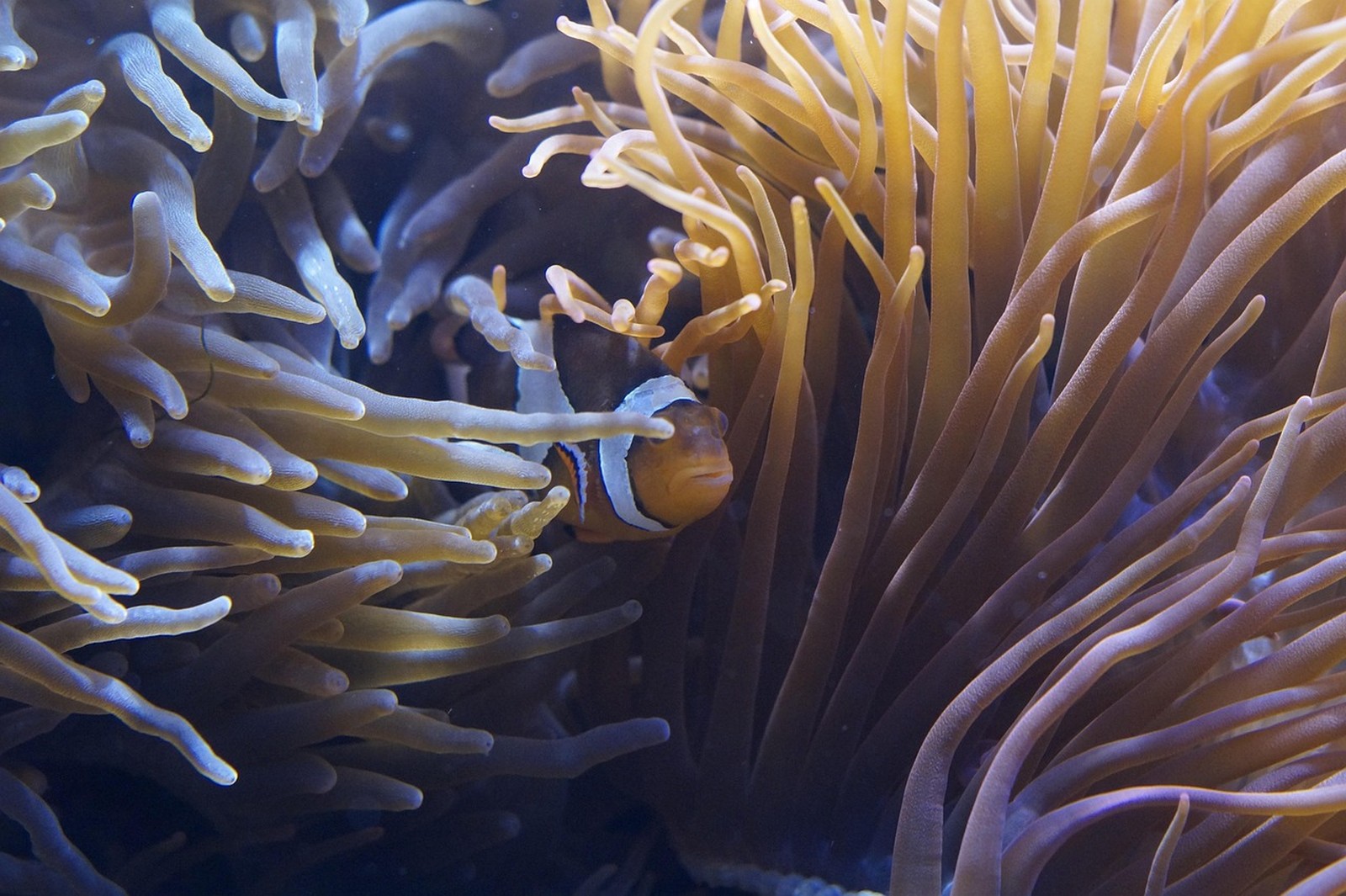
Hiding for the first day or two after arriving home is completely normal. Your new fish are adjusting to different water chemistry, unfamiliar light, new tank mates, and movement around the glass they have never experienced. Give them plants or decor to shelter in, keep the lights dim at first, avoid tapping the glass, and hold off on big water changes — most new fish emerge on their own within 48 hours.
What "normal new fish" looks like
A newly introduced fish will typically hover near the back, tuck behind a plant or filter intake, or stay low in a corner. It may ignore food for the first day — appetite usually returns once the fish feels safe enough to venture out. Schooling species often hide less if you add the whole group at once; a single new tetra joining an established school settles faster than one added alone. This is not sickness and not a tank problem; it is the fish equivalent of needing a quiet first night in a new house.
Set the stage before they arrive
The best settling-in happens before the bag ever opens. Make sure the tank has real hiding options: live or silk plants with broad leaves, a cave or driftwood arch, or even a clean terracotta pot on its side. Bright, bare tanks with nowhere to retreat are the top cause of prolonged hiding. Float the sealed bag for 15 to 20 minutes to equalize temperature, then add small amounts of tank water to the bag over another 20 to 30 minutes so the chemistry shift is gradual. Net the fish out — never pour store water into your tank — and dim the lights for the rest of the day.
The first-week kindness list
Keep lighting low or on a shortened schedule for two to three days. Feed small amounts near their hiding spot so they do not have to cross open water to eat. Resist the urge to tap the glass or lift decor "to check on them" — every disturbance resets the trust clock. Avoid rearranging the tank, adding more new fish, or doing large water changes in the first week; stability is the gift. If the fish is a schooling species and you added several, watch that the group stays together — a group that clusters is a group that feels safer.
When hiding stops being normal
Most fish are out and exploring within two days and eating normally within three. If hiding continues past a week, look deeper: check water parameters, since ammonia or nitrite will keep any fish pinned in a corner; watch for bullying, especially at feeding time, where a dominant tank mate may be guarding the open water; and look for physical signs like clamped fins, white spots, or rapid gill movement, which point to illness or parasites rather than nerves. A fish that hides and stops eating for more than a few days deserves a water test and a close look, and your veterinarian or a knowledgeable fish store can help you read the signs.
Track the settling-in on each fish's profile
Memory blurs: was it hiding for two days or five? KinsLe gives every pet its own verified profile with a unique QR ID, so you can note the arrival date, the species, and daily behavior observations right on the fish's profile. If shyness stretches past the normal window, you have dated notes to share with your vet or fish store instead of guesswork — and you will spot the pattern the next time you add fish, too.
Give new arrivals cover, quiet, and a little time, and they will reward you by coming out. A finder who scans this fish's code opens its Verified QR ID Pet Profiles page on KinsLe, confirms the fish's identity there, and uses the contact details shown to reach you directly.