
The Same Twitch You Get, in a Smaller Chest
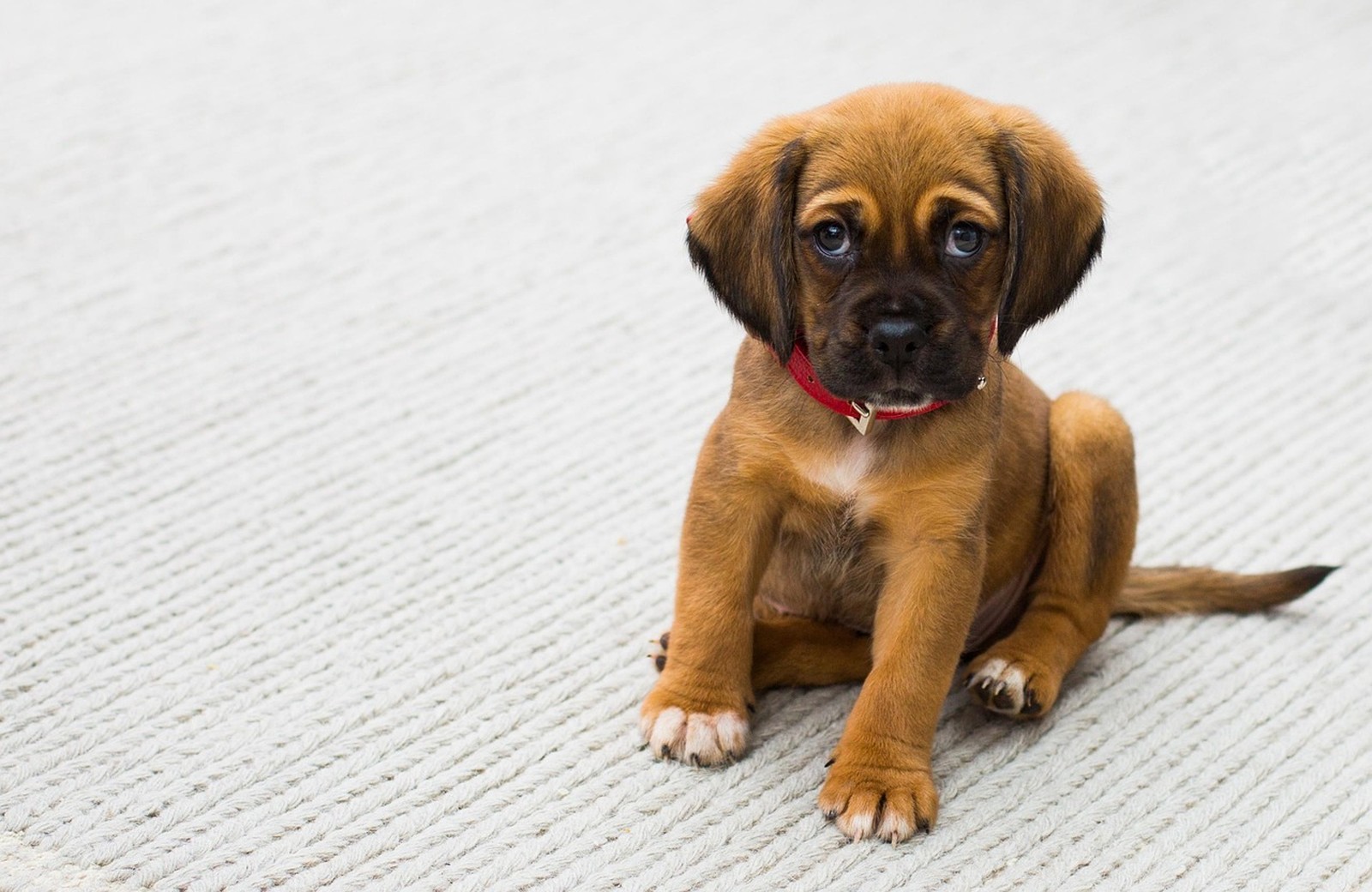
Hiccups are involuntary spasms of the diaphragm, the sheet of muscle under the lungs that drives breathing. When it twitches, air is pulled in sharply and the vocal cords snap shut, producing that familiar squeak or jolt. Dogs share this machinery with us, and in puppies the system is still maturing, which is why a young dog may hiccup after almost every exciting event in his day while an adult dog does it rarely. An episode that starts, rattles along for a few minutes, and fades by itself is the normal pattern and needs nothing more than a calm room.
The Triggers You Will Actually See
Most episodes have an obvious spark if you think back sixty seconds. A puppy who inhaled his dinner in forty seconds has swallowed air along with the food. A dog who has just sprinted around the garden, wrestled with a housemate, or greeted a favourite visitor at the door is breathing hard and unevenly, and the diaphragm joins in. Cold water drunk greedily, a sudden startle, or tugging a toy while panting can all set it off too. Noticing which trigger applies to your dog is genuinely useful: the gobbler needs his meal slowed down, while the excitement hiccupper mostly needs the room to settle.
Helping an Episode End Without Making It Worse
The kindest approach is boring: stop the game, speak quietly, and let him stand or lie down while his breathing evens out. A few laps of water sometimes reset the rhythm. Gentle stroking of the chest suits some dogs. What not to do is borrow the human folk remedies — never startle him deliberately, pull his tongue, or offer food designed to shock the spasm away, because a frightened dog mid-episode can gulp more air and feel worse. If fast eating is his pattern, a slow-feeder bowl or scattering his meal across a clean floor stretches the same dinner over minutes instead of seconds and often ends the after-dinner hiccups entirely.
Hiccups or Something That Looks Like Them?
One sound-alike is worth knowing about. Reverse sneezing looks and sounds dramatic — a dog stands still, extends his neck, and pulls air in through his nose in a series of snorts. It is usually triggered by excitement or an irritated throat and also passes quickly, but it is a different event from hiccups, and describing which one you saw helps your vet a great deal. True hiccups move the whole belly in rhythmic jerks with a small squeak; reverse sneezing is all nose and neck. If you can safely film a short clip of an episode, that short video answers the question better than any description at the appointment.
When Hiccups Stop Being Harmless
Book a vet conversation when episodes stretch well beyond the usual few minutes, when they happen many times a day or on most days, or when hiccups arrive alongside coughing, wheezing, drooling, vomiting, or a dog who goes off his food. A dog who seems distressed by the episodes, cannot settle, or whose breathing looks laboured between spasms should be seen promptly rather than watched. Occasional, brief, puppy-style hiccups after meals and play are part of growing up; a changing pattern in an adult dog is information worth passing on. Jotting down when episodes happen and asking KinsLe's Kinny to help you sort ordinary puppy hiccups from a pattern worth reporting keeps the details beside his profile until you speak to the clinic.