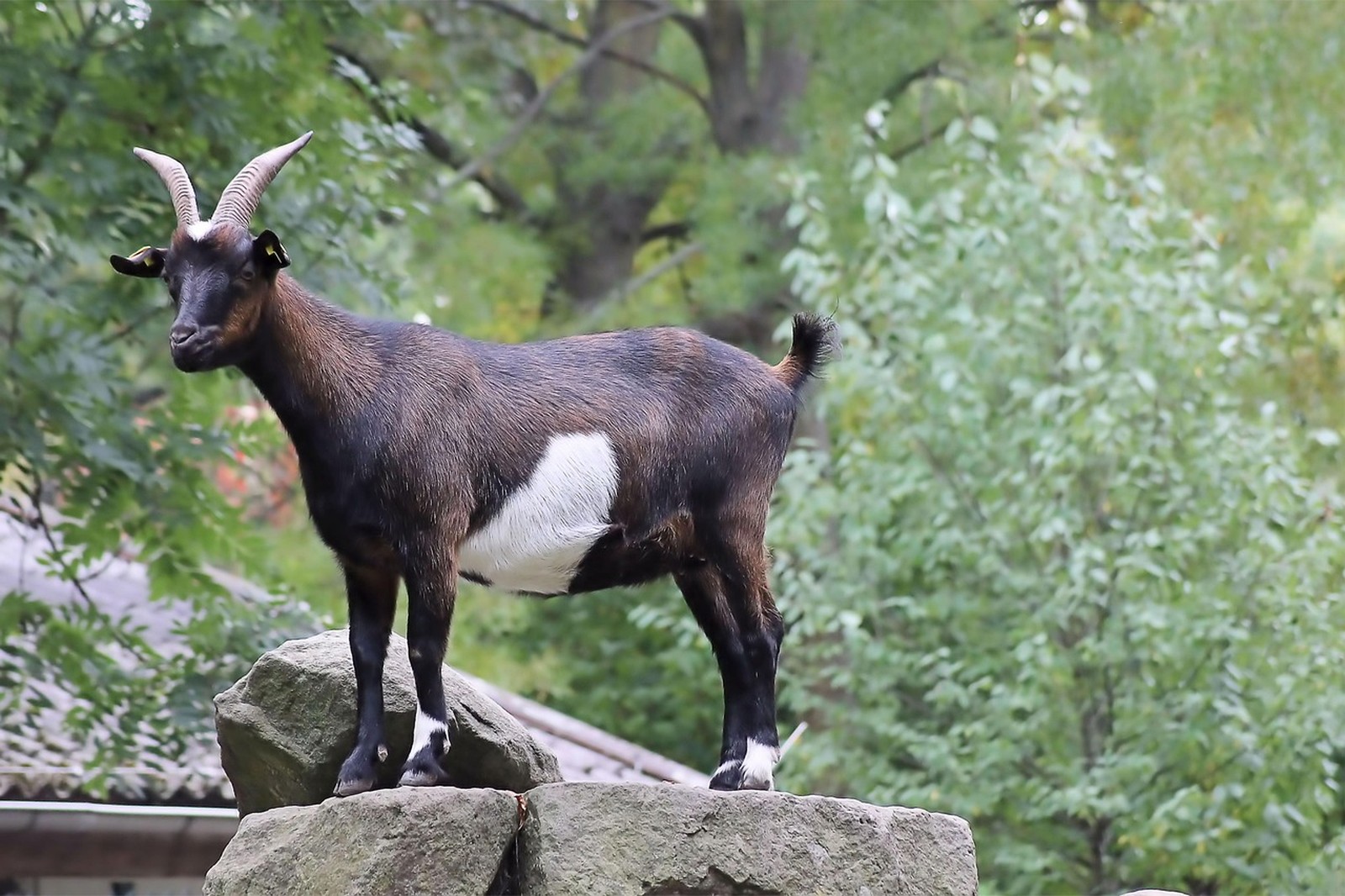
Goats and sheep graze side by side happily, but their mineral buckets should never be shared, and copper is the reason. Goats require substantially more copper in their diet than sheep do. Sheep, in contrast, absorb and store copper in the liver very efficiently and cannot clear the excess well, so a copper intake that is ordinary for a goat accumulates in a sheep until it can trigger a sudden, often fatal, poisoning crisis. One mineral formulation cannot sit safely between two needs that far apart, which is why feed companies make goat mineral and sheep mineral as separate products.
What copper does, and what goes wrong at each extreme
Copper supports red blood cell formation, coat and wool quality, fertility and immune function in both species. A goat short of copper may show a faded, rough coat that loses its dark colour, anaemia, poor growth, scouring and reduced fertility, and the deficiency can creep in quietly because the goat looks merely scruffy for months. That is exactly what happens when goats are kept long-term on sheep mineral, which is deliberately made with little or no added copper. At the other extreme, a sheep eating goat mineral, goat feed or even cattle mineral may show no sign at all while copper builds in the liver, then become ill very suddenly when stress, lambing or another illness causes the stored copper to be released; jaundice, dark urine, rapid decline and death can follow. Because the sheep side of the mistake is silent until it is an emergency, prevention through separation is the whole strategy.
Why an all-stock mineral is not a safe compromise
General-purpose minerals aimed at several species tend to split the difference, which leaves goats short of copper while still offering sheep more than is ideal, so the compromise manages to fail both species at once. Feed matters as well as mineral: goat pellets, cattle feed and some poultry feeds contain copper levels intended for other animals, and sheep that raid those stores face the same liver risk as sheep eating the wrong mineral. If you suspect deficiency in goats or excess in sheep, involve your veterinarian rather than guessing with stronger supplements, because overshooting with copper in either direction is dangerous and blood or liver testing gives a real answer.
Running a mixed flock or herd safely
Keep two clearly labelled mineral stations and put physical distance or a fence line between the species at feeding time where you can. Offer each mineral free-choice in a covered feeder that keeps it dry, since rain-damaged mineral cakes, washes out and gets refused, leaving animals unsupplemented while the bucket looks full. Check both feeders weekly, top them up before they run empty, and store the bags separately and labelled in the feed room, because goat and sheep mineral look identical in a scoop. Sheep that share pasture with goats need their own mineral accessible in a place managed for them, and goats visiting the sheep feeder out of curiosity is one more reason to keep the sheep formulation genuinely low in added copper. Record which product goes where, and brief every helper in person, because the swap usually happens innocently, when someone tops up both pens from one bag.
Other mineral differences worth knowing
Copper is the headline, but it is not the only difference. Selenium tolerance and requirement vary by species and by region, and selenium is another mineral where too much is as dangerous as too little, so local veterinary advice should shape which formulation you buy. Calcium and phosphorus balance matters particularly for wethered male goats, whose urinary tract is prone to stones on a badly balanced ration. Keep the chosen products consistent, note them on each pen's routine, and review them when your veterinarian visits. KinsLe's Care Teams helps by letting you assign the goat mineral check and the sheep mineral check as separate timestamped duties, so the record shows each pen received its own formulation.