
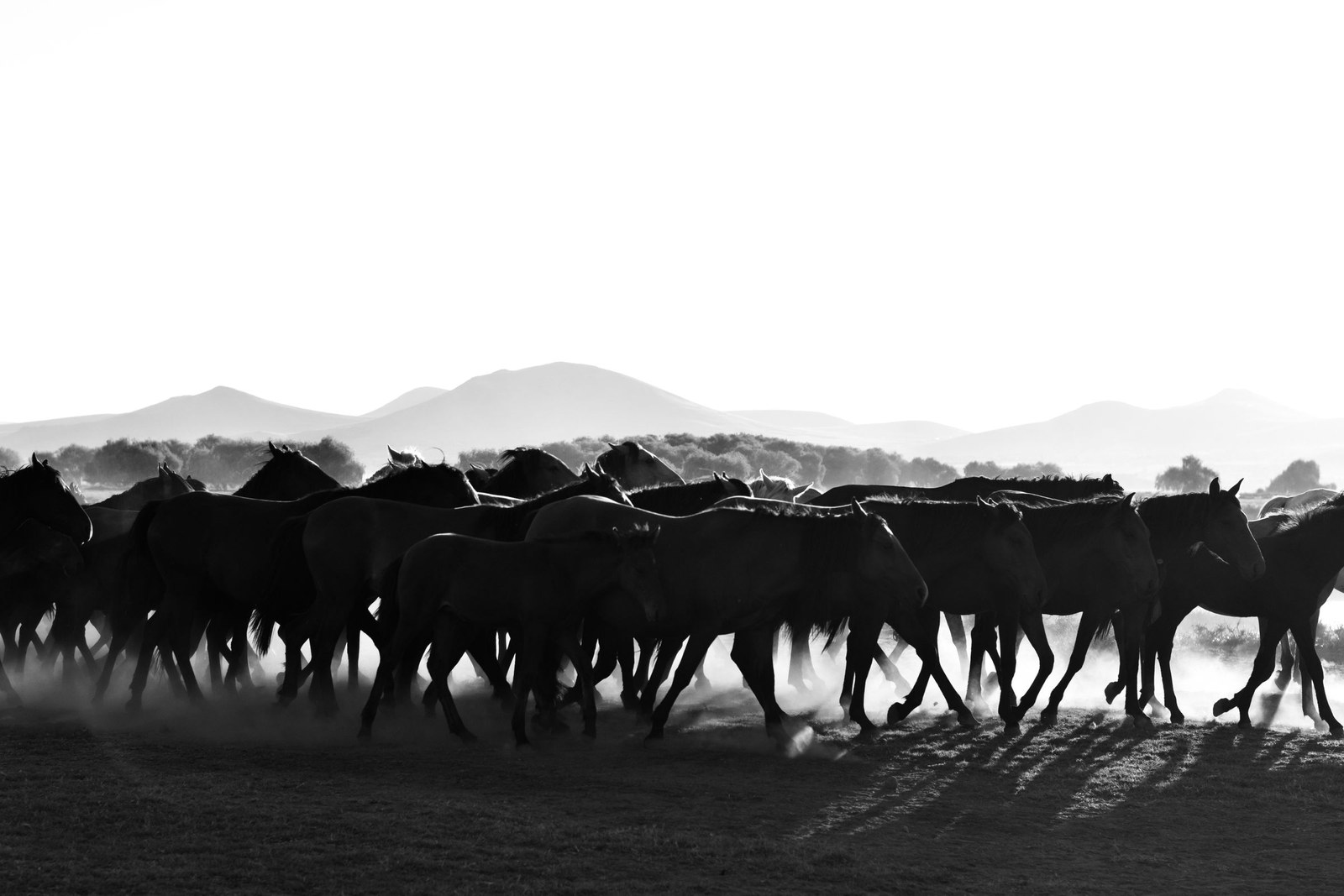
Horses in a herd chase each other because they live by a social order, and chasing — along with pinned ears, squeals, and the occasional half-hearted kick — is how they negotiate who moves, who yields, and who gets first access to hay, water, and the best shelter spot. In most herds this is ordinary communication, settled in seconds, and it flares up predictably whenever something changes: a new horse, a new field, or feed arriving.
What Normal Herd Negotiation Looks Like
A typical exchange is brief. A higher-ranking horse approaches with ears back, the lower-ranking horse moves off, and both go back to grazing. Young horses add play to the mix — geldings especially will chase, rear, and mock-fight in bouts that look dramatic but end with both horses grazing side by side.
Watch the aftermath to judge an interaction. Normal sorting-out ends in relaxation: heads down, ears neutral, everyone eating. The herd's order also isn't a single rigid ladder — a horse who yields to one companion may firmly boss another, and pairs of bonded horses often share space and food peacefully regardless of rank.
Resource hotspots explain most chasing. One hay pile, one water trough, one shelter opening: each is a place where rank gets tested. Many owners find that simply spreading hay into more piles than there are horses dramatically reduces the drama at feeding time.
When Chasing Becomes a Problem
Intervene with management changes when chasing stops being conversation and becomes bullying. Warning signs include:
- One horse is repeatedly driven off feed and is losing weight or condition
- Injuries are recurring — bite marks, kick wounds, or a horse coming in lame
- A horse stands isolated, anxious, and unable to relax or lie down
- Chasing is constant rather than clustered around resources or changes
- An older, ill, or very young horse is the repeated target
Start with space and resources: more room to get away, multiple feeding stations, and visual barriers all lower the pressure. If one pairing is the problem, splitting the herd into compatible smaller groups is not a failure — many barns run two content herds rather than one tense one. Persistent aggression that's out of character for a particular horse is also worth mentioning to your veterinarian, since pain and other health changes can lower a horse's tolerance.
New Horses and Seasonal Shifts
Expect a reshuffle whenever the herd changes. A newcomer gets tested by nearly everyone, and the chasing usually peaks in the first days before settling. Mares in season, spring energy, and a change of pasture can all temporarily raise the volume too. Give adjustments time — days, sometimes a couple of weeks — while watching for the red flags above.
Learning From Owners Who Live It
Herd dynamics are one of those topics where local, lived experience is gold: what works in a big Texas pasture differs from a small New England paddock in winter. That's the spirit of KinsLe's Circle of Love — the community of pet owners around you, the same network that looks out for one another's animals. Connecting with other horse owners nearby who understand herd dynamics and local barn life can save you a lot of trial and error.
Every horse owner in the Circle also strengthens it for everyone else, and Pet Lovers can join free. Bring your herd questions to KinsLe's Circle of Love, and explore more answers about horse behavior on KinsLe.