
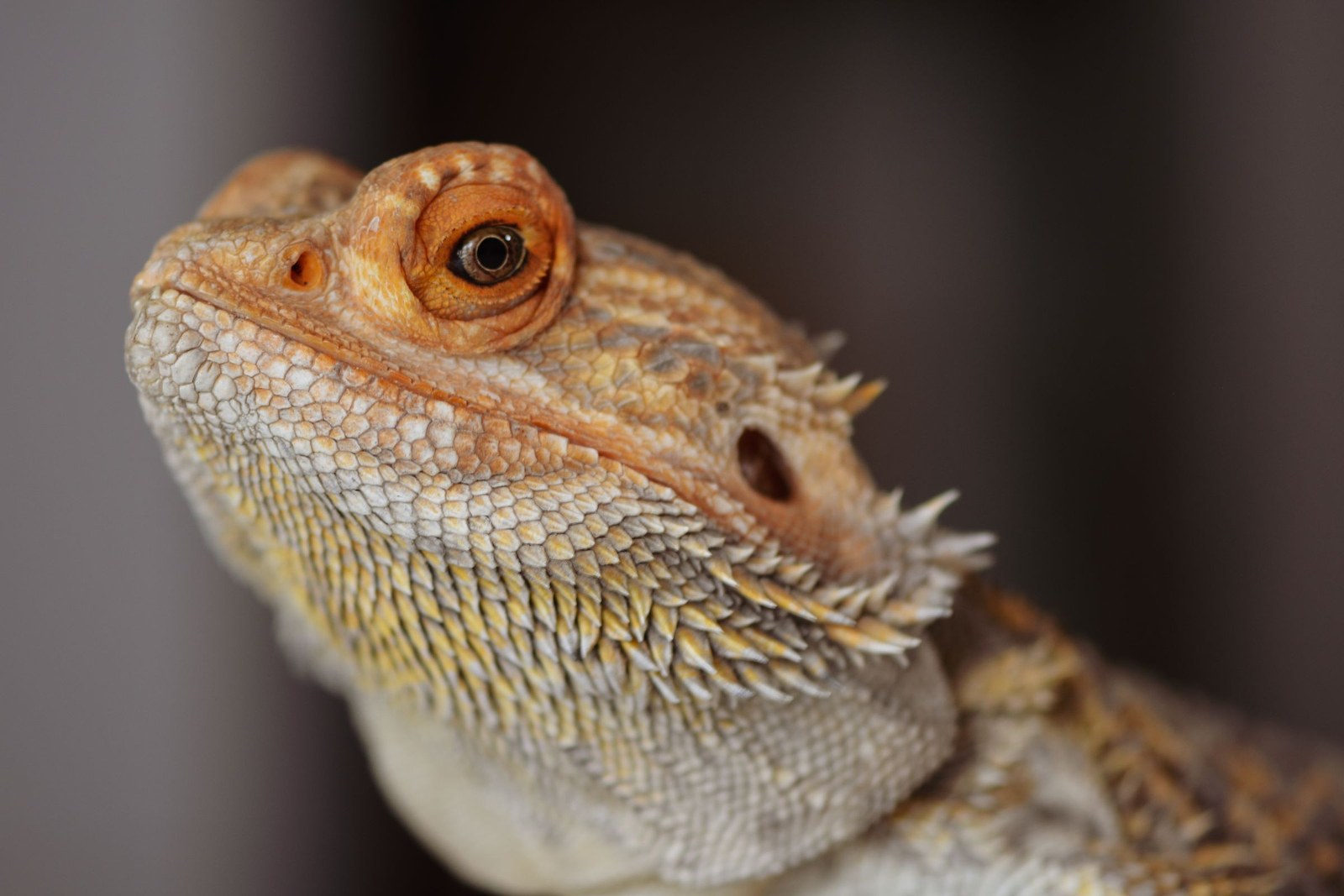
You dust feeder insects with calcium because insects on their own are calcium-poor — most have far more phosphorus than calcium, the reverse of what a bearded dragon's bones need. A light coating of calcium powder at feeding time rebalances each bite, and together with proper UVB lighting it protects your dragon from metabolic bone disease, the most common serious health problem in pet bearded dragons.
The calcium problem with feeder insects
Crickets, roaches, and worms evolved to be prey, not complete diets. Their natural calcium-to-phosphorus ratio is upside down for a growing reptile, and phosphorus actually interferes with calcium absorption. In the wild, dragons eat a wide mix of insects, plants, and mineral-rich material that covers the gap; in a terrarium, the menu is narrow, so the dusting bag does that job. Gut-loading feeders with nutritious vegetables for a day before feeding helps too, but it doesn't replace dusting.
What happens without enough calcium
When dietary calcium runs short, the body pulls it from the bones. Keepers may notice a soft or rubbery jaw, trembling or wobbly limbs, a kinked spine or tail, reluctance to climb, and stunted growth in youngsters. These are signs of metabolic bone disease, and while a veterinarian can help manage it, bone damage is far easier to prevent than to reverse. If you see symptoms like these, book a reptile vet promptly — supplements alone aren't a treatment plan.
How often to dust, by age
Growing dragons eat insects daily and generally need calcium on most of those insect meals; breeding females need it consistently too, since egg production drains reserves. Adults eating insects a few times a week typically get calcium at those feedings. Many keepers alternate with a reptile multivitamin on some days so fat-soluble vitamins don't get overdone. Two more essentials:
- Use a calcium powder formulated for reptiles, and follow the product's guidance.
- Provide a quality UVB tube light on a proper day cycle and replace it on schedule — without UVB, a dragon can't make vitamin D3 and can't use the calcium you dust, no matter how faithfully you shake the bag.
Exact routines vary with diet, lighting, and whether the powder contains D3, so a reptile vet can fine-tune yours at a wellness visit.
Making it a habit, not a memory test
Dusting is quick — insects into a bag or cup with a pinch of powder, a gentle shake, and serve — but it's also the step everyone forgets on busy mornings. Put the routine where care happens: keep the powder beside the feeder bin and note dusting days on your dragon's care schedule.
Get a nudge from KinsLe
KinsLe's Kinny, the built-in AI assistant, can answer follow-up questions about dusting — whether a juvenile needs calcium at every insect meal, how dusting works alongside UVB, or what to rethink when appetite drops. If age or appetite changes leave you unsure how often to dust, pose those questions to the Kinny assistant in KinsLe and get follow-ups answered from the library of KinsLe Answers.